Living in Fall River, MA
Explore Things To Do, Cost of Living and Quality of Life Details
Why You’ll Love Living in Fall River, Massachusetts
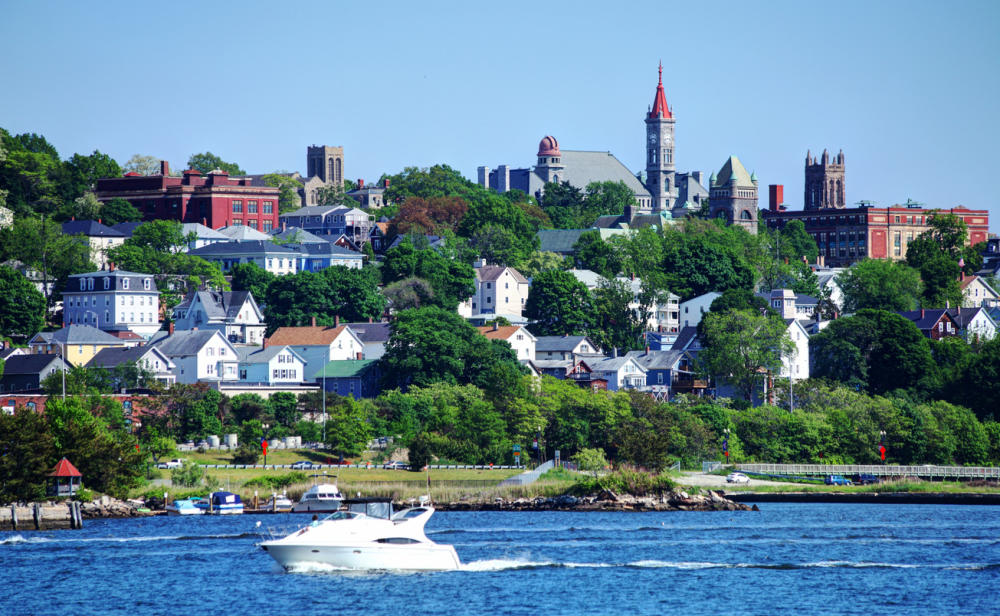
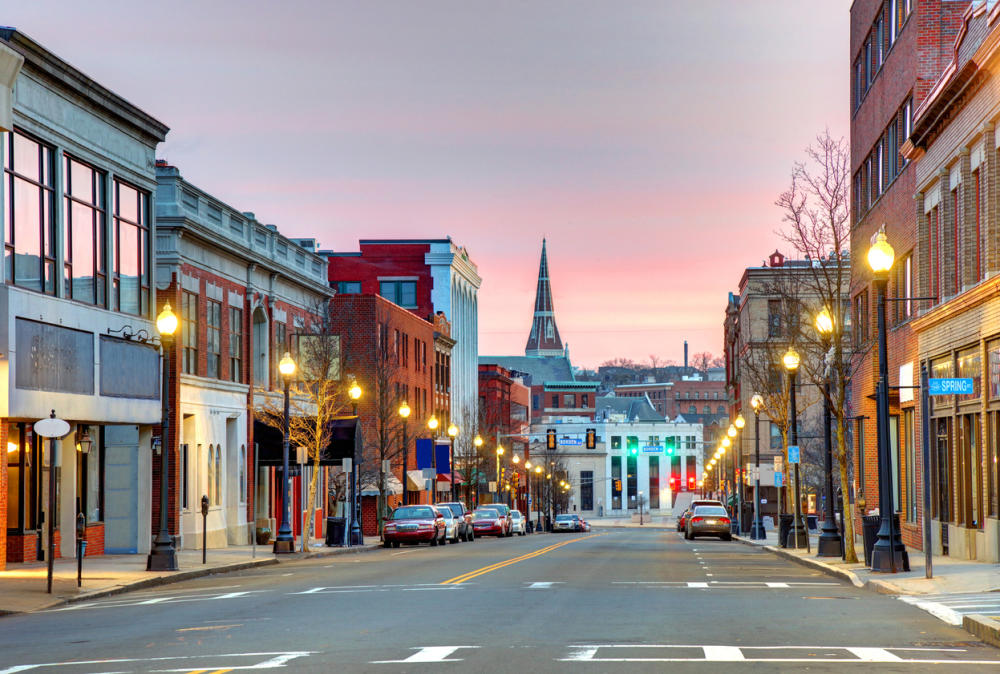
Fall River, Massachusetts, is a picturesque city along the Taunton River with access to wildlife areas, several beaches and parks along the water, like Fall River Heritage State Park. It has the largest Portuguese community in the United States, with plenty of restaurants where you can sample the cuisine, as well as the Portugalia Marketplace, where you can find all things Portuguese. Fall River also is home to the largest collection of historic Naval ships in the world, housed in Battleship Cove.
Thinking of moving to Fall River, MA? Keep scrolling to find all the details about living in Fall River, including quick facts such as the population, median home value and property taxes. Plus, learn more about the cost of living and quality of life in Fall River, from the economy and job opportunities to weather, outdoor activities and things to do, including local restaurants and points of interest.


What Makes Fall River, Massachusetts, a Best Place to Live in 2024-2025
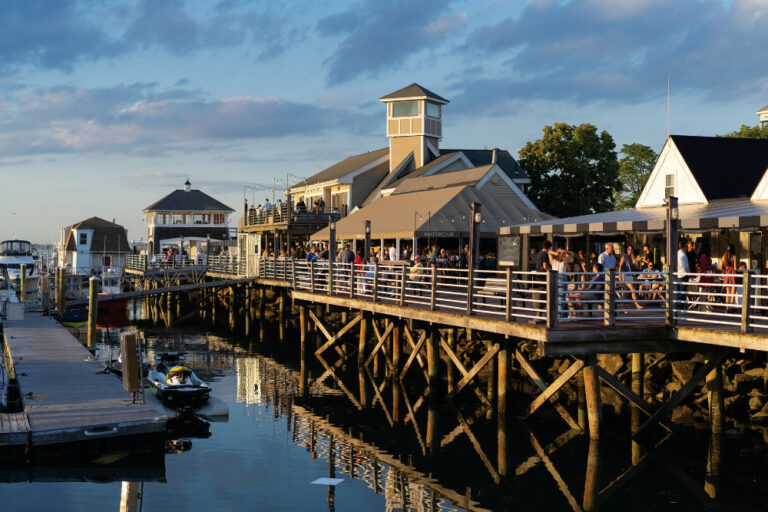
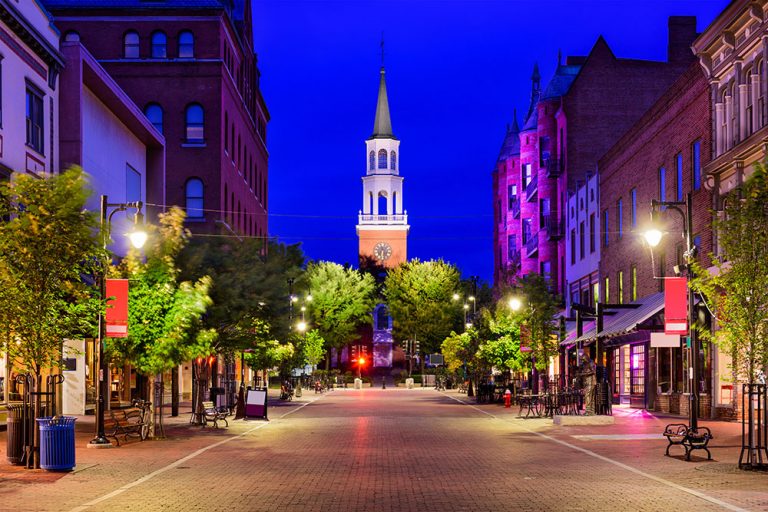
The waterfront community of Fall River, MA, is New England at its finest. The city of nearly 95,000 is culturally diverse, combining Old World charm with a modern urban atmosphere. It ranks as one of the best places to live in the U.S. due to its many amenities, affordability and sense of history (it was one the largest centers in the country for cotton textile production and manufacturing).
The city’s famous trial of Lizzie Borden, who was acquitted of the murder of her father and stepmother still fascinates, and you can stay – if you dare – at the Lizzie Borden Bed & Breakfast Museum to learn more about this interesting case.
Fall River is an immigration hub for the Portuguese, having the largest population percentage-wise in the country. That culture can be seen (and tasted!) in the numerous Portuguese restaurants and fun festivals that are held here.
Besides the interesting history and culture, education ranks high for Fall River, with easy access to schools such as Bristol Community College and the University of Massachusetts Dartmouth.
Situated on the Taunton River, Fall River provides opportunities to explore nearby state parks and wildlife areas and to dig your toes in the sand at area beaches. And if you are a history buff, the city is home to the world’s most extensive collection of World War II naval vessels, including the battleship USS Massachusetts.
Fall River, MA Quality of Life LivScore
Fall River, MA Top Categories
Amenities
Education
Economy
Fall River ranks highest for amenities, education and economy.
Weather and Outdoor Activities in Fall River, MA
Idyllic New England summers are followed by fairly intense winters, with chilly temperatures and an average of about 7 inches of snow in January. The average highs and lows are 82°F and 62°F (summer) and 40°F and 25°F (winter).
The average annual snowfall in Fall River is above the national average at 44 inches. January and February are the months with the highest average snowfall.
The average annual rainfall in Fall River is around 49 inches.
Fall River averages 201 sunny days a year.
Check out Fall River Heritage State Park, which provides picturesque walking trails along the Taunton River, a carousel and views of World War II battleships that are docked at Battleship Cove.
Things To Do in Fall River, MA
Want to try your hand at pronouncing Quequechan River Rail Trail? No worries if you can’t. You can still spend a leisurely morning at this treasured wildlife park, which has walking and biking paths and ample wildlife sighting opportunities.
You can’t miss The Children’s Museum of Greater Fall River or Battleship Cove, a war memorial and military museum featuring real warships and aircraft.
History buffs love Fall River. Yes, there is the more sinister side of the city’s history with the Fall River cult murders and the Lizzie Borden case. But there is so much more than that. The Fall River Historical Society is committed to preserving the city’s rich history and has collections of costumes, decorative arts, photographs and manuscripts. To promote public understanding of the city’s history, the society hosts lecture series and other events that benefit the community.
Fall River has the country’s largest percentage of Portuguese citizens, and the Portugalia Marketplace celebrates all things Portuguese with food, beverages and handcrafted goods. Another great spot is Caldeiras.
The Tipsy Toboggan is an American restaurant in a cozy tavern atmosphere. The menu includes pub classics and hearty drinks, all of which you can savor in a lodge-style, two-story setting.
The Narrows Center for the Arts is considered the cultural hub of Fall River. The interior boasts two visual arts galleries and visual artist studios for local creators, plus a performance theater with an extensive calendar of events.
Pink Bean Coffee has been delivering fair-trade, organic coffee and a delicious menu since 2014.
The Local and State Economy in Fall River, MA
Textile and apparel manufacturing, health care, and education are among the largest industries in Fall River. The city’s major employers include Southcoast Health, Amazon and Blount Fine Foods, a food manufacturing company headquartered in the city.
In 2024, the sales tax rate in Fall River is 6.25%.
Yes, Massachusetts has a state income tax.
St. Anne’s Hospital is a high-performing provider in Fall River. Other providers include Charlton Memorial Hospital, Southcoast Urgent Care and Prima Care.
Although Fall River does not have any major colleges or universities, several higher education institutions are located nearby in New Bedford, MA, and Providence, RI.
Weather in Fall River, MA
Average Temperatures
60 high / 42 low
Average Annual Rainfall
49 in
Average Annual Snowfall
44 in
Quick Facts about Fall River, Massachusetts
- Median Home Value
- $379,832
- Median Property Tax
- $2,133
- Total Population
- 96,812
- Average Commute
- 20 min
- Median Household Income
- $57,035
- Median Monthly Rent
- $851
Map of Fall River, MA
Fall River, MA: Where to Live Now
Best Places To Live in Massachusetts
This New England state is rich in American history, but the best places to live in Massachusetts are also modern and diverse, with a youthful vibe.