
Impressive Infrastructure Network Connects San Joaquin County to the World
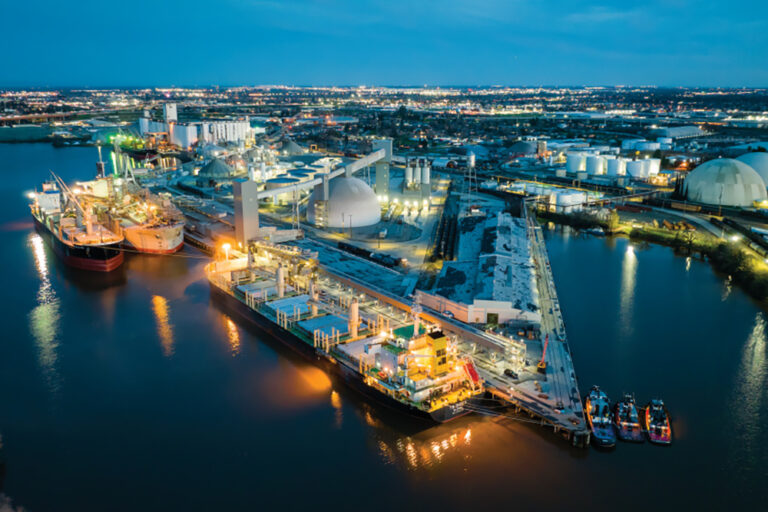
San Joaquin County’s robust infrastructure – including a growing airport, a significant port, and a vast network of warehouses and distribution centers – is a testament to the region’s resilience and reliability, supporting a consistent quality of life and commerce for its citizens.
In This Article
River Meets Rail
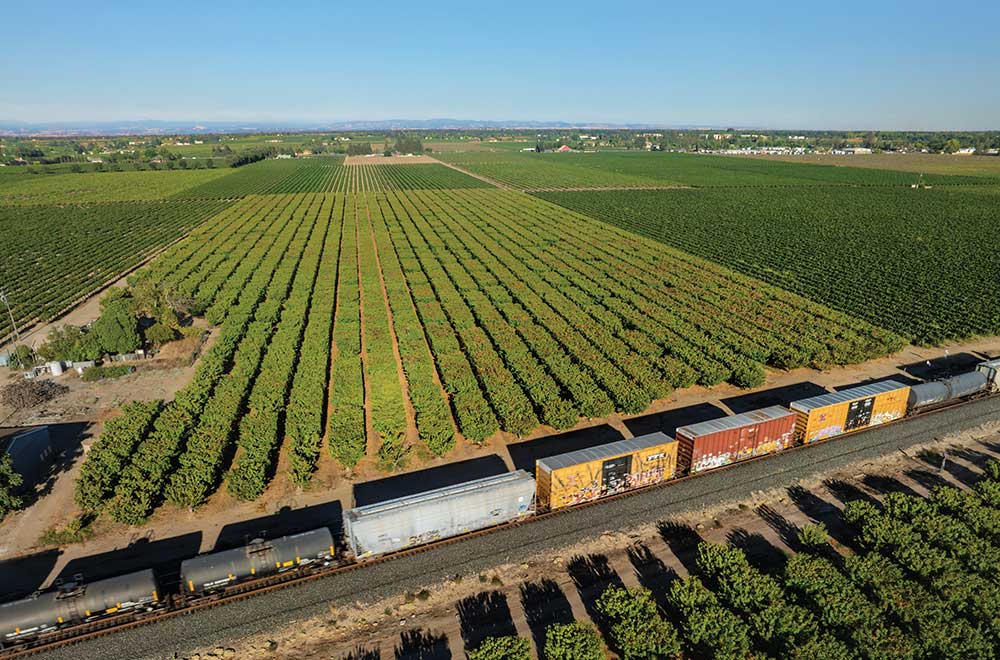
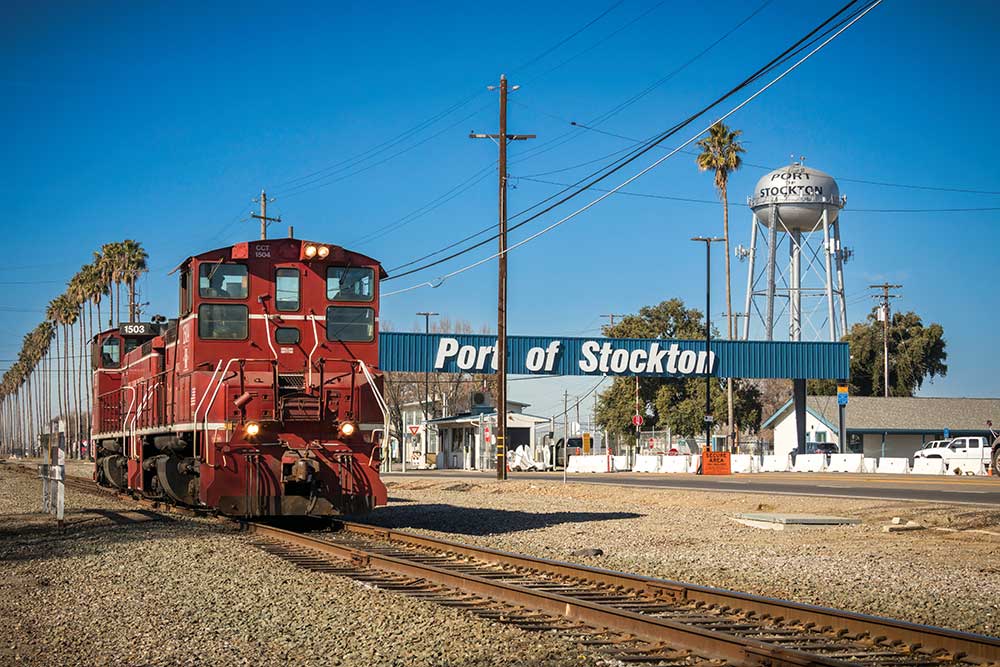
San Joaquin County’s strategic location at the nexus of river, rail and highway creates a robust multimodal network for efficient freight transport.
The San Joaquin River and Port of Stockton connect directly to major shipping routes. At the same time, Class I rail lines Union Pacific and BNSF Railway, along with nearby interstates, ensure smooth inland distribution.
“This synergy reduces transit times, lowers costs and adds resiliency to supply chains – a big reason why more companies are choosing to locate here,” says Bob Gutierrez, president and CEO of the San Joaquin Partnership, a nonprofit organization focused on enhancing economic development and promoting growth opportunities in the region.
The Rise of the Airport
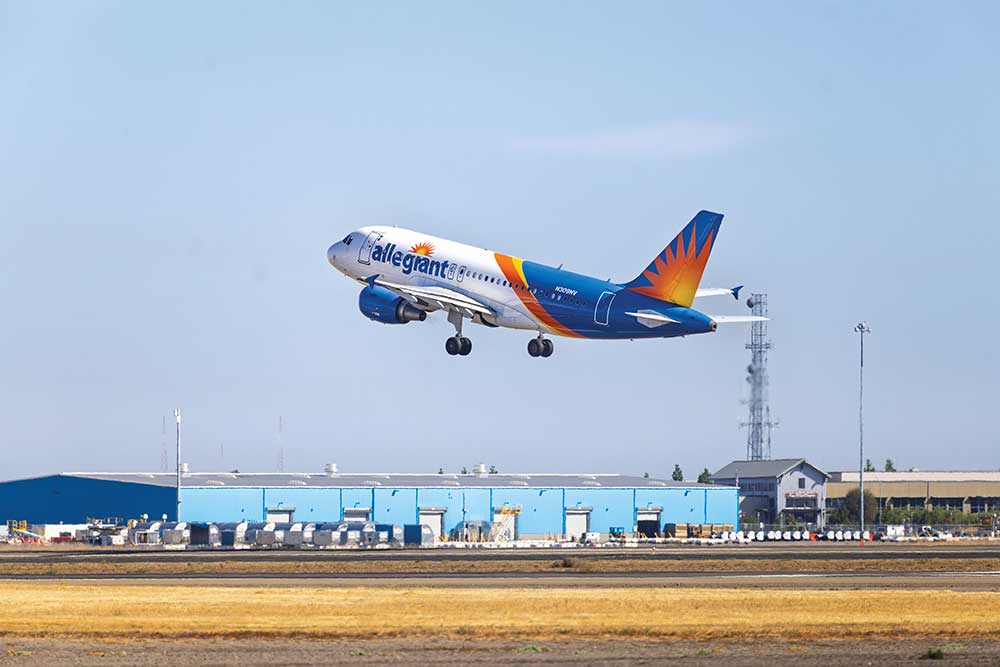
The Stockton Metropolitan Airport (SCK) is also a vital asset for air cargo and, increasingly, for commercial and general aviation. The SCK’s ample runway capacity and proximity to the Bay Area are attracting more operations from companies like Amazon Air, with plenty of room for future growth.
“As supply chains evolve, Stockton offers a cost-effective, scalable solution for both freight and future passenger service,” Gutierrez says.
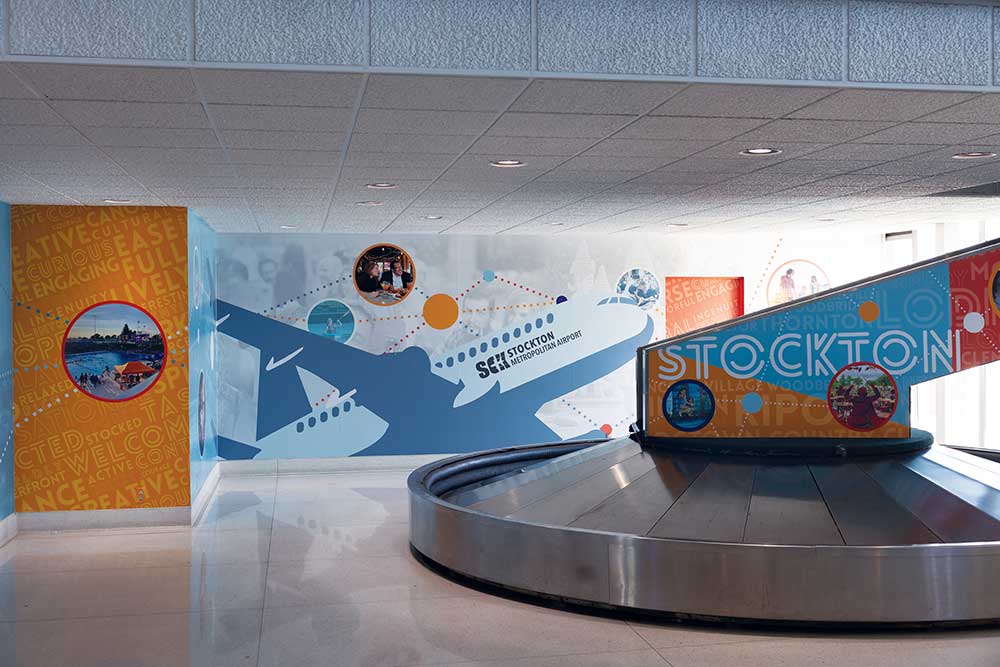
Richard Sokol, director of the Stockton Metropolitan Airport, says that whether you fly for business or leisure, the airport provides a convenient, hassle-free link.
“Our facilities allow businesses to fly nonstop around the world or vacationers nonstop to simply chase the sun,” Sokol says. “Air cargo originating at SCK reaches its destination in hours, not weeks.”
Last year, multiple daily flights flown on wide-body aircraft through SCK transported over 800 million pounds of products to customers throughout Northern California and the world.
A Gateway to the World
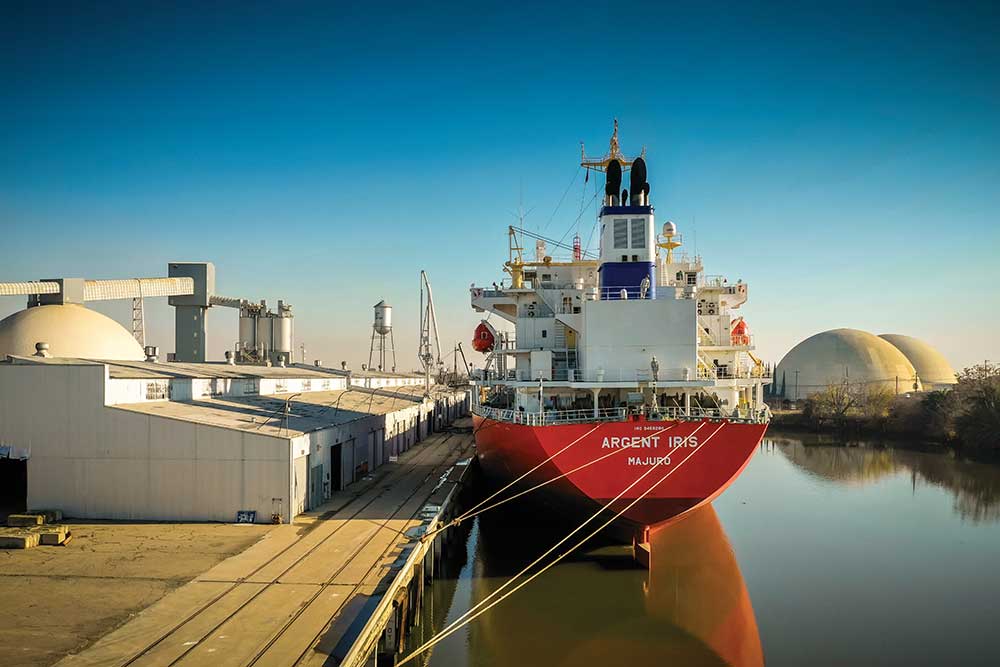
In the San Joaquin River Delta, an agriculturally rich region, the Port of Stockton serves as a vital gateway for transportation and trade across a myriad of industries.
Situated 70 nautical miles from the Pacific Ocean, the Port of Stockton occupies an exceptional position.
“Its inland location is away from the congestion of coastal ports – but still accessible to large ocean-going ships via the 35-foot-deep Stockton Deepwater Ship Channel,” says Jeff Wingfield, Port of Stockton deputy director, regulatory and public affairs. “Multiple factors lead to our multimodal excellence, including deep-water access, robust rail connections and proximity to major highways, making us a logistical powerhouse.”
The Port of Stockton by the Numbers
No. 4 busiest port in California based on maritime cargo tonnage
3.7M metric tons of cargo handled by the Port of Stockton in 2024
No. 1 port in California dedicated bulk/break-bulk
256 vessel calls at the port in 2024
10,077 jobs provided by the port
The Port of Stockton has carved out a specialized role in handling liquid bulk, dry bulk and break-bulk commodities. Unlike container-focused ports, Stockton is optimized for non-containerized cargo, giving it a competitive edge in supporting industries such as agriculture, construction and energy.
Industry Hub
Stockton, the largest and most established industrial hub in San Joaquin County, is home to numerous distribution centers and warehouses. The county’s robust transportation network has led several major companies to develop large distribution centers here. These investments offer substantial benefits to the region, such as increased tax revenue, job growth and infrastructure enhancements.
“Global brands like Amazon, Ashley Furniture, Medline, Lowe’s, Ryder, John Deere, UPS and FedEx have made major investments in San Joaquin County, solidifying our role as a logistics and e-commerce hub,” Guiterrez says. “These facilities have created thousands of jobs and driven new development across the region.”
Projects like Airpark 599, adjacent to SCK, represent the next wave – offering large-scale, aerospace-ready industrial space with unmatched access to multimodal infrastructure.
This powerful, integrated network of transport options provides a clear advantage, proving that San Joaquin County is a key destination for global logistics and trade operations.
“It’s a clear signal that San Joaquin County is built for business – and built to grow,” Gutierrez says.
Get to Know San Joaquin County
Want to learn more about living and working in San Joaquin County, CA? Check out the latest edition of Livability San Joaquin County, California.