
The Palouse Advantage: How Moscow and Pullman Raise World-Ready Kids
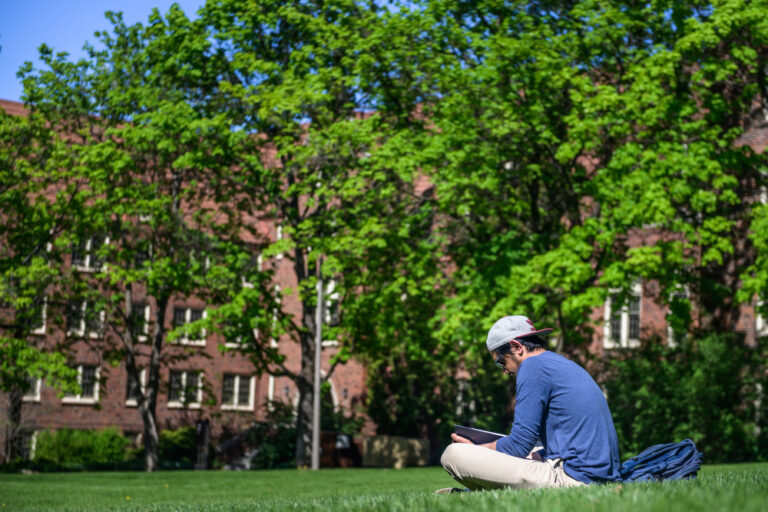
The Palouse region, which includes Moscow, Idaho, and Pullman, Washington, has cultivated an ecosystem that produces well-rounded individuals who are culturally aware and professionally prepared.
For Stacy Boe Miller, raising three children in the Palouse region has been a journey of discovering how a small community can offer big opportunities. Miller’s children attended Palouse Prairie Charter School through elementary and middle school, then Moscow High School, but she notes that their education extended far beyond traditional classroom walls.
Lessons For Life
“There were so many opportunities when my children were young,” Miller says. “For example, the library had free events at the park in the summer where my kids got to see a reptile expert, a comedian, a magician or a scientist. We’d also go to the Rendezvous in the Park music and arts festival where they were able to create with other students from around the town. There were also outdoor opportunities like mountain biking on Moscow Mountain.”
Miller says her family was also able to take advantage of educational programming at the Palouse Discovery Science Center in Pullman and the Palouse Clearwater Environmental Institute, among others.
“I just feel like my kids got such a well-rounded introduction to so many different types of activities and styles of learning, from science to theater to music,” Miller says. “What was unique about it – as opposed to when we lived in Minneapolis – is that we had access to these opportunities without having to drive very far or spend a lot of money.”
Community Colleges
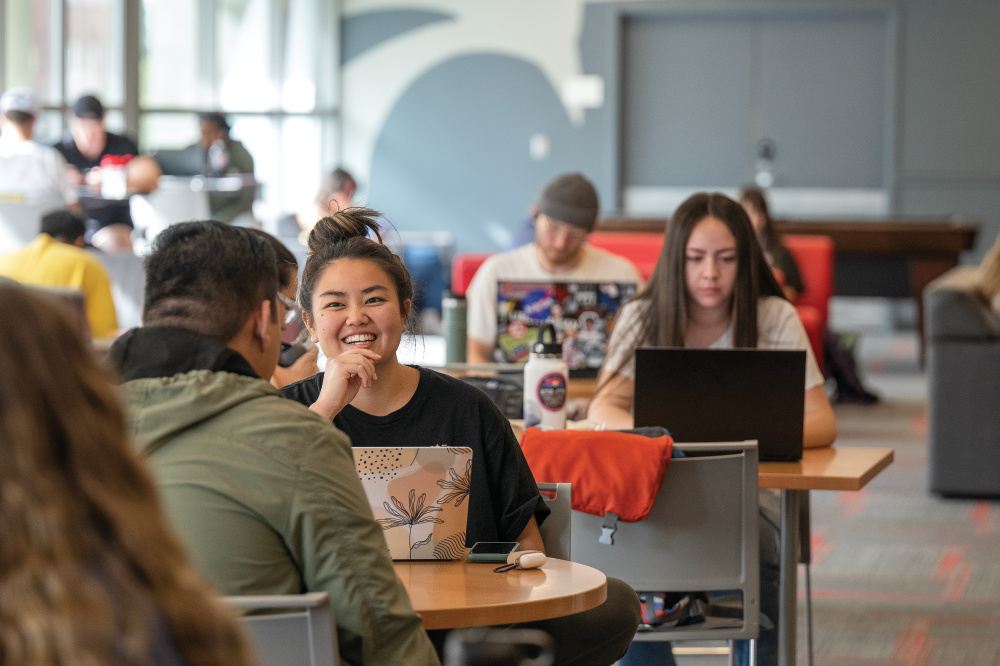
Another advantage the Palouse region offers families is access to the University of Idaho (U of I) in Moscow and Washington State University (WSU) in Pullman, which serve as both educational and cultural hubs, attracting diverse populations and fostering community engagement through events and partnerships.
“For a community this size, having the two universities is a coup. They bring in people from all over the country and even all over the world. I remember taking my kids to an international dinner that was hosted by Nepali students on campus,” Miller says. “If you are looking and want to get involved, there are opportunities to broaden horizons, especially for students on the Palouse.”

WSU, for example, offers robust music and arts events programming, including the Jordan Schnitzer Museum of Art, which opens its exhibits to the public, and the school of music, which hosts a free Fridays at the Clock summer concert series. U of I actively collaborates with local schools to provide young students a head start on their path to college and careers. Through outreach programs, such as mentoring, workshops and campus visits, students are introduced to local career pathways as well as the possibilities of higher education.
“From our Engineering Expo to the UI Extension’s statewide 4-H program, we touch the lives of thousands of K-12 students each year,” says Jodi Walker, U of I executive director of communications and co-chief marketing officer. “They spend time on our campus, engage with our employees and students, and build affinity for our university. In turn, we provide more than $40 million a year in scholarships and grants to ensure students get every chance at a college education.”
Pathways To Success
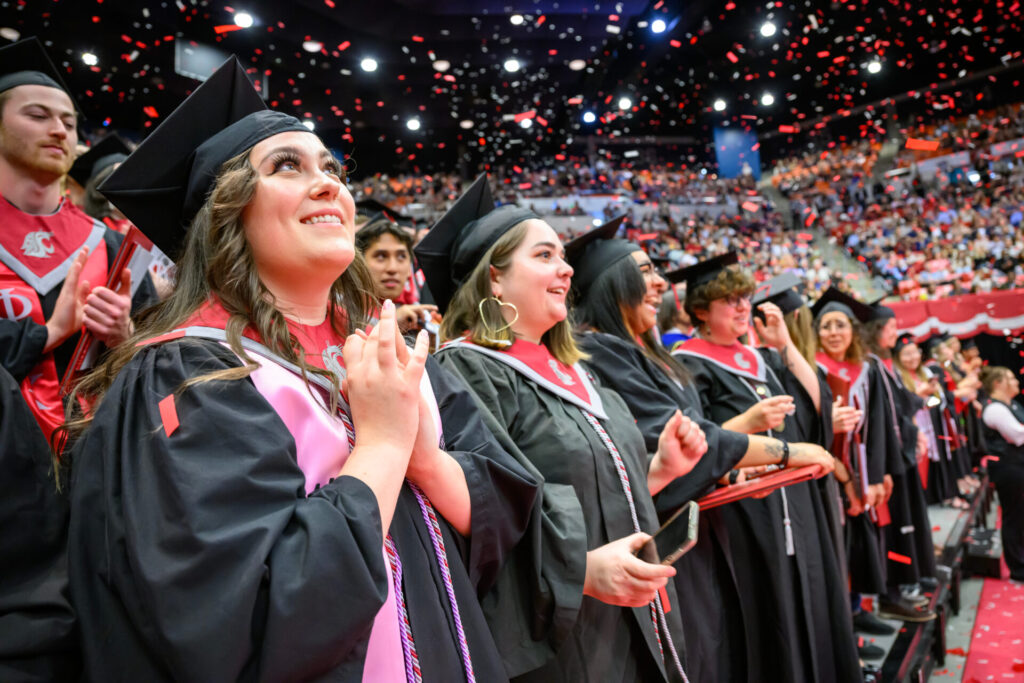
Miller says exposure to different learning opportunities proved crucial for her children’s personal and professional development. Her artistic daughter, who took classes at what was then the Prichard Art Gallery, is now opening a nail studio focused on artistic expression.
Her analytically minded son found his path into STEM through math teacher Erin Corwin at Palouse Prairie Charter School and now works at Schweitzer Engineering Laboratories, and her oldest became a hunting guide in Wyoming after studying at the University of Idaho’s College of Natural Resources.
“I think they sort of have to see an example of themselves in various roles or see opportunities for things. They need to be exposed to it to ever be able to imagine doing it,” Miller says.
Montessori on the Move
Moving is rarely easy and even less so when one is moving an entire school. In 2025, the Montessori School of Pullman, a K-7 public charter school, was faced with such a challenge when its longtime home at the Gladish Community Center closed its doors.
When the center first closed in fall 2025, school officials quickly rallied to find and relocate to a new home at the Pioneer Center, a surplus classroom space owned and operated by Pullman Public Schools.
Staff worked tirelessly to ensure the new space was ready to meet the needs of Montessori education, which emphasizes independence, curiosity and a hands-on approach to learning.
“This move was powered almost entirely by our own hands,” says Crystal Helenske, director of operations for the Montessori School of Pullman. “We built desks, installed sinks and cabinets, painted walls, refinished rusted bathroom stall walls, organized storage and assembled every piece of this school ourselves. Then there were the volunteers – parents, board members and friends of the school – who popped in with tools, food and caffeine at just the right moments.”
Today, the school continues to thrive, serving as a testament to the power of resilience and collaboration.
“This next phase is all about sustainability and connection and creating more volunteer opportunities to strengthen our roots here at the Pioneer Center,” Helenske says. “Our goal is to create a school that will continue to thrive for the next 50 years with transparent communication, community involvement and a whole lot of heart.”
Get to Know the Palouse
Want to learn more about living and working in the Palouse region of Idaho and Washington? Check out the latest edition of Livability On the Palouse.