
Robertson County, TN, Balances Progress With Agricultural Heritage
Robertson County’s agricultural legacy is strong, and the industry is not only thriving in 2025 but also poised for continued growth and innovation.
According to the USDA National Agricultural Statistics Service, Robertson County is home to 1,117 farms, with an the average size of 179 acres. In fact, 43 farms are more than 1,000 acres.
Robertson County’s agricultural sector is driven primarily by crop production, which contributes 80% of annual sales. The county boasts a diverse range of crops, from fruits and vegetables to cotton and tobacco, and even includes greenhouse products, sod and Christmas trees. Livestock – including cattle, dairy, poultry and hogs – makes up the remaining 20% of the agricultural industry.
“The economy of Robertson County continues to become more diverse, but agriculture will always remain among its strongest industries,” says Jim Moore, who runs a farm and also co-owns the Springfield-based G.S. Moore & Son real estate firm along with his sister, Aubrey.
Ag Industry Continues to Advance
And this thriving industry is ripe with opportunity for young people. Today, Robertson County is moving forward with several agricultural innovations, creating many opportunities for budding farmers to advance in the workforce.
The county invests in the next generation of farmers through its highly regarded 4-H youth development program aligned with the University of Tennessee Institute of Agriculture. In addition, area colleges offer programs in fields such as veterinary technology, agribusiness and sustainable development.
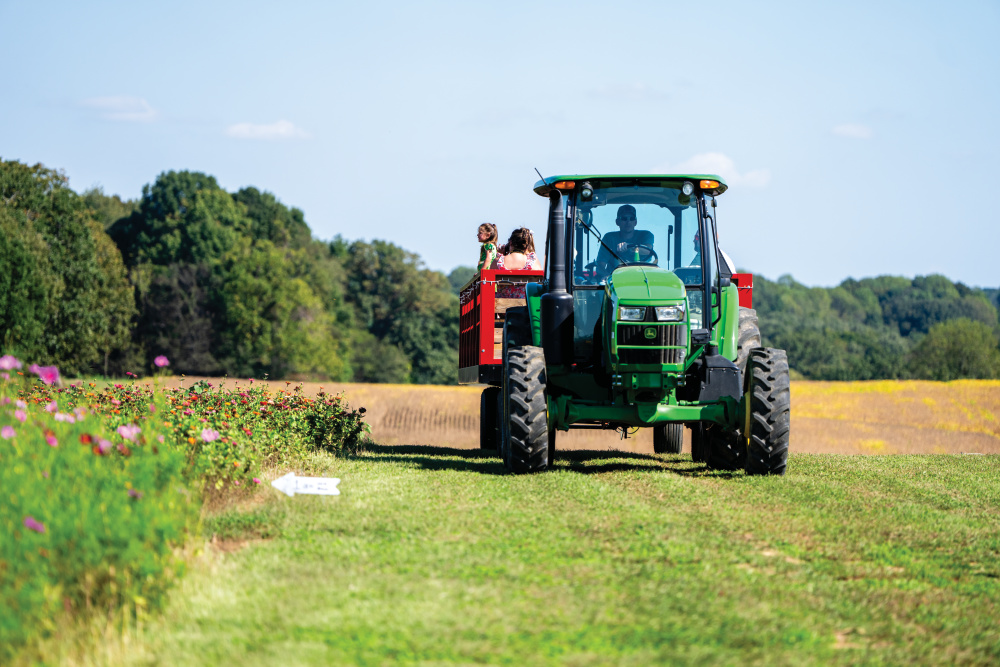
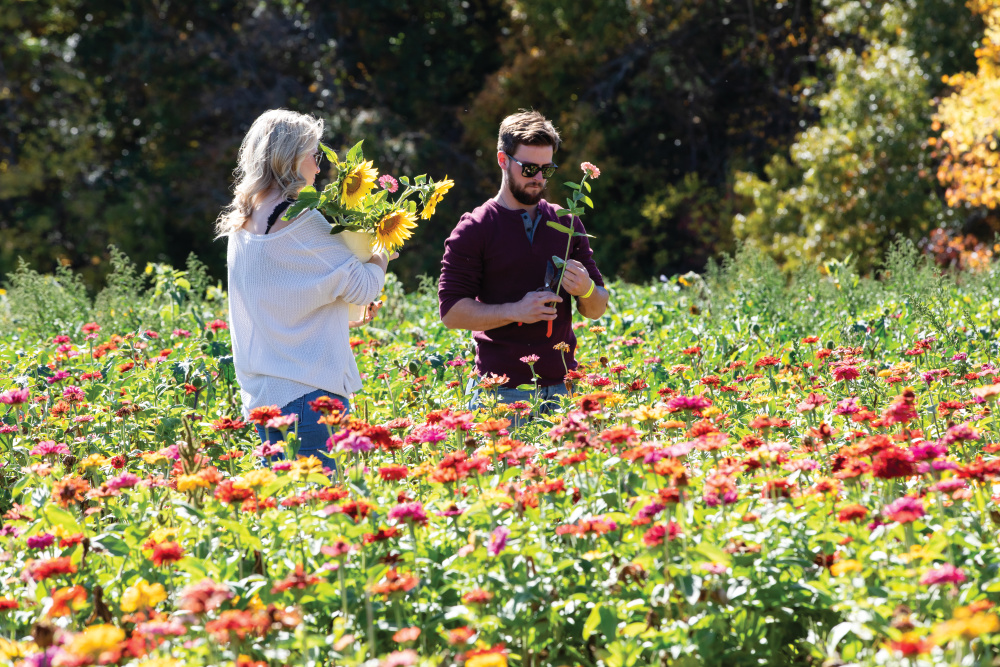
Agritourism adds another dimension to Robertson County’s agricultural landscape. Residents are finding success operating fruit orchards, corn mazes, animal farms and farm-to-table dinners. The Robertson County Farmers Market, open from May through July in Springfield, provides a venue for locally produced items, including grass-fed beef, pasture-raised poultry, farm-fresh eggs and hive-fresh honey. Other great farmers markets can be found in White House, Portland, Cedar Hill and Orlinda.
Progress and Preservation
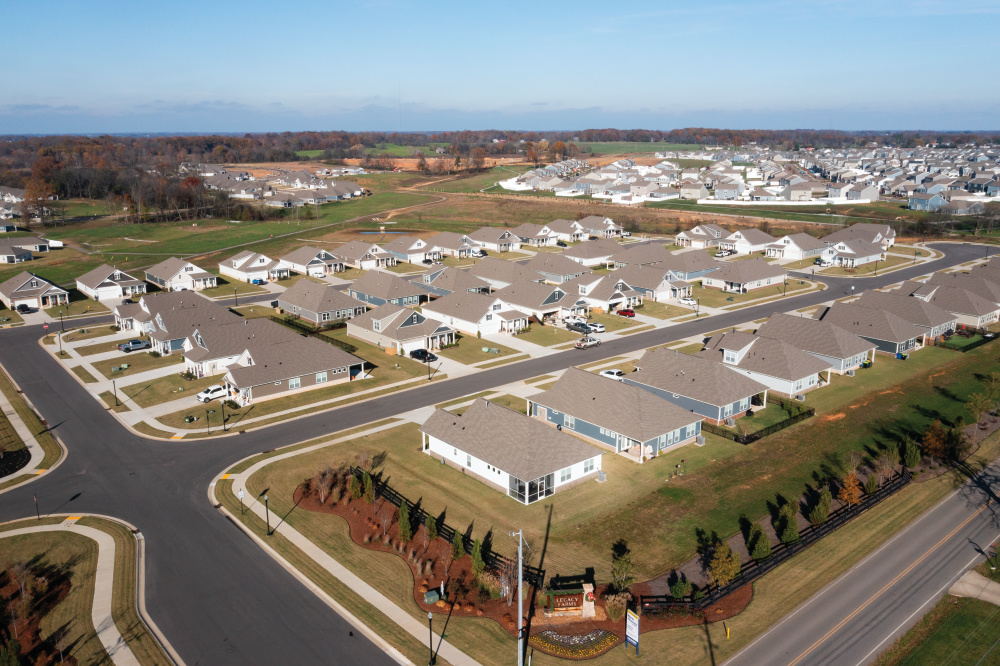
While agriculture remains strong, the population of Robertson County has risen from 54,000 residents in 2000 to more than 75,000 in 2025, and that growth has sparked more businesses, industries and new jobs. A growing population also provides more tax revenue for improvements to roads, public transportation and other infrastructure, and it can lead to more cultural events, entertainment choices and recreational facilities.
“A growing population needs more residential and commercial developments, so the economy of Robertson County has become more diverse – even while agriculture remains vital,” Moore says. “The county is growing, and I like investing in real estate projects for the betterment of my hometown.”
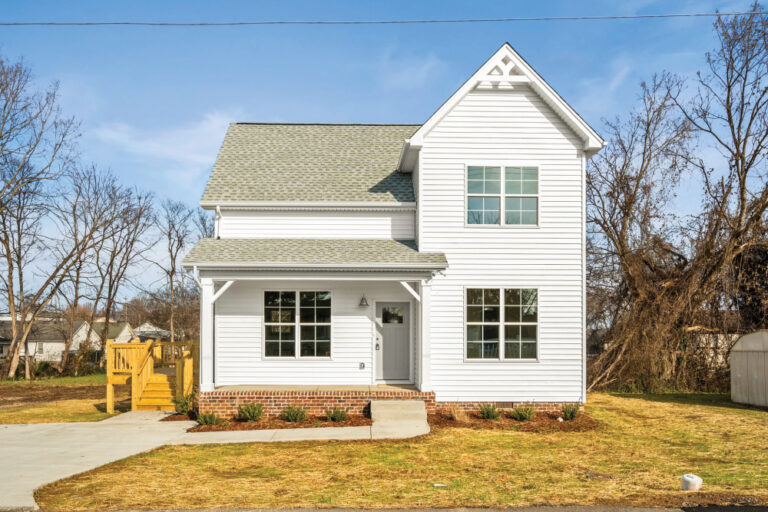
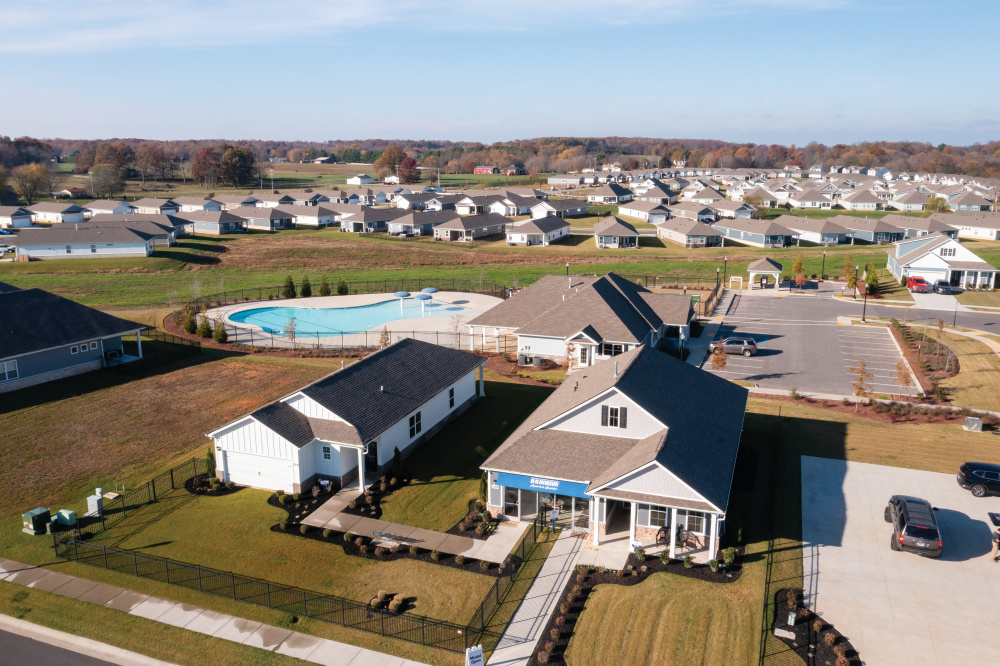
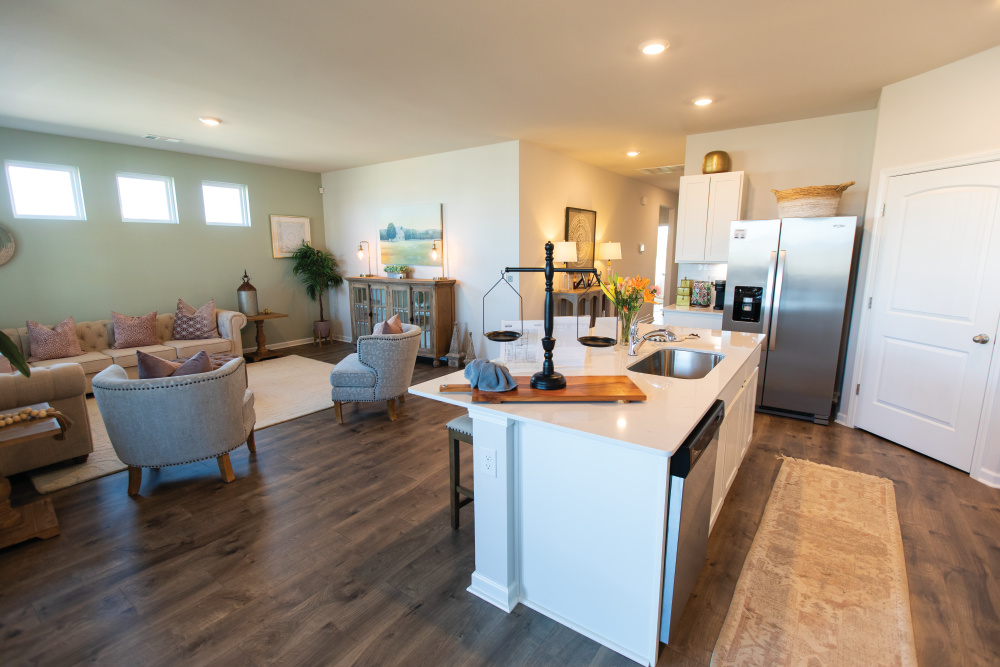
Recent projects for G.S. Moore & Son include a new commercial development called The Shops at Mooreland that features restaurant and retail space in Springfield. In addition, a new residential neighborhood called Highland Estates is now open for occupancy in Greenbrier.
“We also construct 10 to 15 new homes a year in established neighborhoods, and our company also enjoys redeveloping existing properties along the Historic Public Square and South Main Street in Springfield,” he says. “While Robertson County continues to retain its small-town charm and the natural beauty of much rural farmland, it is also starting to add a number of urban conveniences.”

A Farmer’s Perspective on Growth
Another farmer in Robertson County is Billy Joe Riley, who co-owns Riley Brothers Farms LLC in Adams, along with his brothers Randy and Bobby Clay.
“We have 3,500 acres and raise wheat, beans, corn and straw,” Riley says. “Even though I’ve farmed all my life, I’m certainly not against subdivisions and commercial growth coming to Robertson County.”
Riley observes that it’s not just Nashville residents moving to Robertson County. People from Clarksville are coming, too.
“Even though more growth is arriving, much of the county will always remain rural,” he says. “Development is coming for sure – it’s inevitable. These new developments will benefit the region as a whole, yet there will always be enough farmland to ensure that the agriculture industry continues to stay robust in Robertson County.”
Get to Know Robertson County, TN
Want to learn more about living and working in Robertson County, TN? Check out the latest edition of Livability Experience Robertson County, Tennessee.