

Dilworth, Charlotte, NC: Hip and Historic
Dilworth is one of Charlotte’s oldest and most recognizable neighborhoods. Located immediately south of Uptown, the neighborhood was established in the 1890s as Charlotte’s first streetcar suburb and remains one of the city’s most desirable residential areas. Tree-lined streets, historic homes, walkable commercial districts, and proximity to the urban core define much of Dilworth’s identity.
The neighborhood sits between Uptown and South End, providing residents with access to some of Charlotte’s most active employment, dining, and entertainment districts while maintaining a distinctly residential atmosphere. Sidewalks, parks, and preserved historic architecture contribute to a sense of continuity that can be difficult to find in rapidly growing metropolitan areas.
For many residents, Dilworth offers a balance that few Charlotte neighborhoods can match: historic character, urban convenience, and everyday walkability.
Overall Vibe & Lifestyle
Life in Dilworth revolves around accessibility and neighborhood character. Residents can walk to coffee shops, restaurants, parks, and local businesses while remaining only minutes from Uptown Charlotte.
Unlike newer master-planned communities, Dilworth developed gradually over more than a century. As a result, the neighborhood feels layered and established rather than uniform. Mature trees, front porches, and historic homes create an environment that encourages outdoor activity and neighborhood interaction.
Daily life often includes walking to East Boulevard for dining, spending time in Freedom Park, or commuting into Uptown via a short drive, bike ride, or light rail connection. The neighborhood appeals to professionals, families, downsizers, and longtime Charlotte residents who value location and character over newer housing stock.
The overall atmosphere is active without feeling overly busy. While commercial activity is concentrated along East Boulevard and nearby corridors, most residential streets remain relatively quiet.
Safety & Walkability
Dilworth is widely regarded as one of Charlotte’s most walkable neighborhoods.
Sidewalks are present throughout much of the neighborhood, and the street grid supports pedestrian movement between residential areas, parks, restaurants, and local businesses. Many residents regularly walk for errands, recreation, and dining rather than relying exclusively on a vehicle.
Freedom Park, East Boulevard, and portions of the Little Sugar Creek Greenway are all accessible from many parts of the neighborhood, creating multiple opportunities for walking and biking.
Traffic is generally heaviest along East Boulevard and surrounding arterial roads, while interior residential streets experience significantly lower traffic volumes. The combination of connected streets, sidewalks, and nearby destinations contributes to a pedestrian-oriented environment that is uncommon in much of the Charlotte region.
Natural & Built Environment
The natural environment in Dilworth is defined by mature oak trees, landscaped streets, and one of Charlotte’s most established urban tree canopies.
Because much of the neighborhood was developed during the early 20th century, many trees are fully mature, creating shaded streets and a more established appearance than many newer neighborhoods. Front yards, parks, and landscaped public spaces further contribute to the neighborhood’s visual appeal.
Freedom Park serves as the area’s most significant recreational asset. Covering nearly 100 acres, the park includes walking trails, athletic facilities, playgrounds, open lawns, and a 7-acre lake. It functions as both a neighborhood amenity and one of Charlotte’s most heavily used public spaces.
The Little Sugar Creek Greenway also passes nearby, connecting residents to additional walking, biking and recreational opportunities throughout the city.
The built environment reflects more than a century of development. Historic homes coexist alongside thoughtfully integrated infill projects, creating a neighborhood that continues to evolve while maintaining its overall character.
Design & Architecture
Dilworth is one of Charlotte’s most architecturally significant neighborhoods.
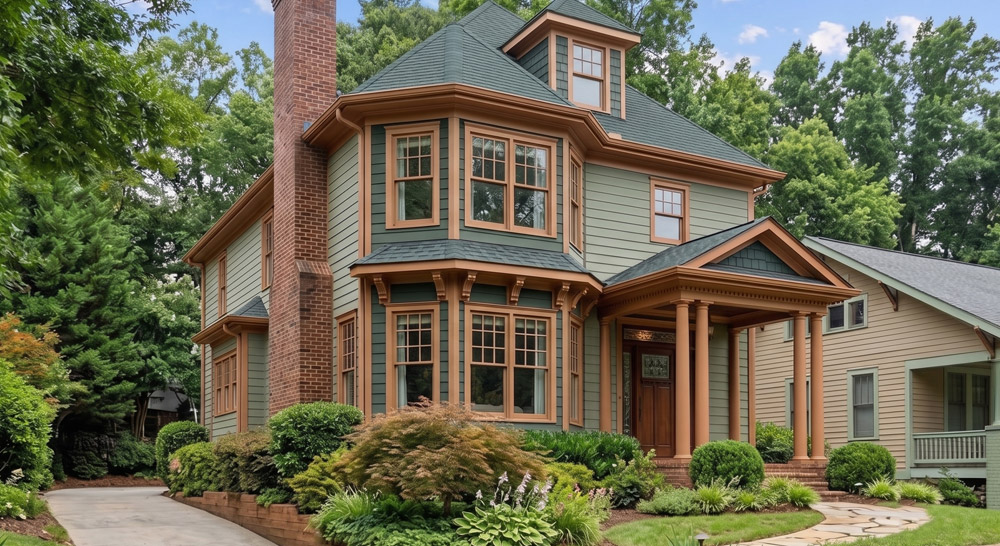
Homes in the neighborhood reflect several periods of development and include Craftsman bungalows, Colonial Revival homes, Tudor-style residences, and early 20th-century cottages. Wide front porches, detailed woodwork, brick facades, and mature landscaping are common throughout the neighborhood.
Many homes have been carefully renovated to incorporate modern amenities while preserving original architectural details. Hardwood floors, fireplaces, built-in cabinetry, and historic millwork remain common features in older properties.
In addition to single-family homes, Dilworth contains condominiums, townhomes, and smaller-scale multifamily developments that provide housing options for a variety of buyers and renters.
Because of its historic significance and proximity to Uptown, architectural preservation remains an important part of the neighborhood’s identity.
Housing at a Glance
Dilworth offers a mix of historic homes, townhomes, condominiums, and infill residential development.
| Metric | Description |
|---|---|
| Type | Historic single-family homes, townhomes, condominiums, and apartments. |
| Size & Layout | Typically 900 to 5,000+ square feet, depending on property type. |
| Interior & Exterior Features | Front porches, hardwood floors, fireplaces, mature landscaping, updated interiors, and historic architectural details. |
Real Estate Snapshot
The Dilworth housing market reflects some of the strongest demand in the Charlotte region.
Buyers are attracted to the neighborhood’s walkability, historic character, proximity to Uptown, and limited inventory. Because new development opportunities are constrained, available properties often receive significant attention when they come to market.
The neighborhood appeals to a broad range of buyers, including professionals, executives, families, and downsizers seeking an urban lifestyle.
| Metric | Summary |
|---|---|
| Market Demand | Strong due to location, walkability, and historic character. |
| Inventory | Limited inventory with highly competitive listings. |
| Buyer Profile | Professionals, families, downsizers, and urban lifestyle seekers. |
| Pricing Context | Premium pricing relative to much of the Charlotte market. |
| Investment Pattern | Long-term appreciation supported by limited supply and strong demand. |
Amenities & Local Conveniences
Dilworth residents enjoy access to some of Charlotte’s most established dining, retail, and recreational amenities.
East Boulevard serves as the neighborhood’s primary commercial corridor, featuring restaurants, coffee shops, boutiques, and everyday services. Local favorites include 300 East, Kid Cashew, and numerous independently owned businesses that contribute to the neighborhood’s identity.
Freedom Park functions as a major gathering place and recreational destination. The park hosts festivals, community events, and daily outdoor activities throughout the year.
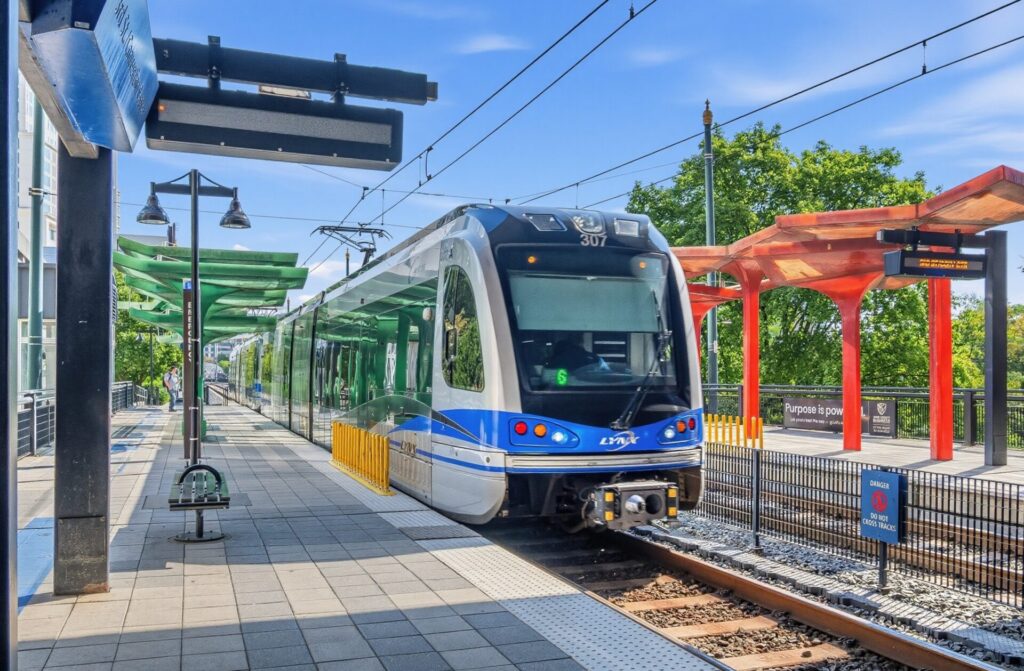
Nearby South End significantly expands dining, entertainment, and nightlife options. Residents can easily access breweries, restaurants, fitness studios, and retail destinations along the Charlotte Rail Trail and the LYNX Blue Line corridor.
Uptown Charlotte is also only minutes away, providing convenient access to employment centers, cultural institutions, professional sports venues, and major events.
This concentration of amenities allows residents to complete many daily activities without traveling far from home.
Schools & Education
Charlotte-Mecklenburg Schools serve Dilworth. Students may be assigned to schools such as Dilworth Elementary School, Sedgefield Middle School, and Myers Park High School, though assignments vary based on address and program selection.
Because Charlotte-Mecklenburg Schools utilizes attendance zones, magnet programs, and school-choice options, families should confirm school assignments directly with the district.
Private school options are also readily accessible throughout the surrounding area, including Charlotte Latin School, Providence Day School, and Charlotte Country Day School.
Nearby higher education institutions include Queens University of Charlotte, Johnson C. Smith University, and the University of North Carolina at Charlotte.
Commuting & Location
Dilworth’s location is one of its strongest advantages.
| Destination | Approximate Drive Time |
|---|---|
| Uptown Charlotte | 5–10 minutes |
| South End | 5 minutes |
| SouthPark | 10–15 minutes |
| Charlotte Douglas International Airport | 15–20 minutes |
| University City | 20–30 minutes |
| Lake Norman | 30–40 minutes |
Drive times may vary depending on traffic conditions.
Residents also benefit from nearby access to the LYNX Blue Line and multiple greenway connections, providing alternatives to driving for some trips.
Dilworth Neighborhood Map
Quirks & Perks
One of Dilworth’s defining characteristics is its ability to feel historic without feeling disconnected from modern Charlotte.
Few neighborhoods in the city offer the same combination of architectural character, walkability, and urban access. Residents can live in a century-old bungalow while remaining minutes from one of the Southeast’s largest business districts.
The neighborhood’s front porches, mature tree canopy, and established streetscape create a sense of place that is increasingly difficult to replicate through new development.
Another advantage is Freedom Park. While many neighborhoods claim access to green space, few have a park of comparable size and significance integrated so closely into daily life.
Neighborhood Logistics
Dilworth operates within the City of Charlotte, with municipal services, including police, fire protection, sanitation, and public works, provided by the city.
Because portions of the neighborhood fall within local historic districts, some exterior modifications may be subject to historic district guidelines and review processes.
Parking varies depending on property type. Historic homes typically feature driveways, while some multifamily and condominium developments provide dedicated parking facilities. Street parking is available throughout much of the neighborhood, but can become more competitive near commercial areas and major events.
Daily errands can often be completed within the neighborhood or nearby districts, reducing dependence on lengthy commutes. The overall trade-off is a highly connected urban lifestyle characterized by historic architecture, walkability, and convenient access to many of Charlotte’s most desirable destinations.
Explore Charlotte Neighborhoods
Note on imagery: Images marked “AI Generated” are visuals to illustrate the neighborhood homes, atmosphere and architectural style. To protect homeowner privacy, these images are artistic representations and do not depict specific existing properties.