

NoDa, Charlotte, NC: Creative. Eclectic. Walkable.
NoDa, short for North Davidson, is Charlotte’s historic arts district and one of the city’s most distinctive neighborhoods. Located just northeast of Uptown, NoDa has evolved from a former mill village into a vibrant mixed-use community known for its murals, live music venues, locally owned businesses, and creative energy.
The neighborhood traces its roots to the textile industry that helped shape early Charlotte. Many of the original mill houses and industrial buildings remain, though they have been adapted over time to accommodate galleries, restaurants, breweries, performance venues, and modern residential development. This combination of historic character and contemporary creativity gives NoDa a personality unlike any other neighborhood in the city.
Today, NoDa serves as both a residential community and a cultural destination. Residents enjoy walkable access to dining, entertainment, and public art, while visitors are drawn by the neighborhood’s reputation as one of Charlotte’s most dynamic and authentic districts.
Overall Vibe & Lifestyle
Life in NoDa centers on creativity, community, and local culture.
Unlike some of Charlotte’s more polished or master-planned neighborhoods, NoDa embraces individuality. Murals decorate building walls, public art appears throughout the neighborhood, and independent businesses play a significant role in defining the area’s identity.
Daily life often involves walking between coffee shops, breweries, restaurants, music venues, and local retailers. Community events, gallery crawls, and live performances create activity that extends well beyond standard business hours.
Residents are drawn to NoDa for a variety of reasons. Some appreciate the neighborhood’s artistic atmosphere, while others value its walkability and proximity to Uptown. The area attracts professionals, creatives, entrepreneurs, musicians, remote workers, and longtime Charlotte residents who enjoy its unique personality.
The overall atmosphere is energetic and welcoming, with a stronger emphasis on local culture than many other Charlotte neighborhoods.
Safety & Walkability
NoDa is among Charlotte’s most walkable neighborhoods.
The neighborhood’s commercial core is concentrated along North Davidson Street, where restaurants, breweries, retail shops, and entertainment venues are located within a compact, pedestrian-friendly area. Sidewalks are present throughout much of the district, and many residents regularly walk to dine, entertain, and recreate.
The LYNX Blue Line further enhances mobility, providing direct transit access to Uptown, South End, and University City. Many residents utilize the light rail to reduce reliance on driving.
Traffic is generally moderate, though activity levels increase in the evenings, on weekends, and during special events. The combination of walkability, transit access, and mixed-use development enables many residents to meet their daily needs without extensive vehicle use.
Compared to many suburban Charlotte neighborhoods, NoDa offers a significantly more pedestrian-oriented lifestyle.
Natural & Built Environment
The built environment reflects NoDa’s industrial and artistic history.
Historic mill houses, converted industrial buildings, and adaptive reuse projects remain prominent throughout the neighborhood. These structures provide architectural character while serving as homes, restaurants, breweries, galleries, and retail spaces.
Street art is one of NoDa’s defining visual features. Murals and public installations contribute to a constantly evolving streetscape that reflects the neighborhood’s creative culture.
Green space is more limited than in neighborhoods such as Myers Park or Dilworth, but several parks and public gathering areas provide opportunities for outdoor activity. Cordelia Park, located nearby, includes athletic facilities, green space, and one of Charlotte’s public swimming pools.
Residents also benefit from convenient access to the Little Sugar Creek Greenway and other recreational amenities located throughout the urban core.
Design & Architecture
Architecture in NoDa reflects multiple eras of Charlotte’s development.
Many of the neighborhood’s original mill houses remain intact and contribute significantly to its historic character. These homes are generally modest in scale and reflect early 20th-century working-class residential architecture.
Industrial buildings have been transformed into restaurants, breweries, galleries, and mixed-use spaces while retaining original features such as exposed brick, large windows, and timber construction. These adaptive reuse projects help preserve the neighborhood’s historic identity while supporting contemporary uses.
Recent developments have introduced apartments, condominiums, and townhomes that reflect modern urban design. While new construction continues throughout the area, many projects incorporate architectural elements that acknowledge NoDa’s industrial heritage.
The result is a neighborhood where historic and contemporary architecture coexist in a way that feels authentic rather than manufactured.
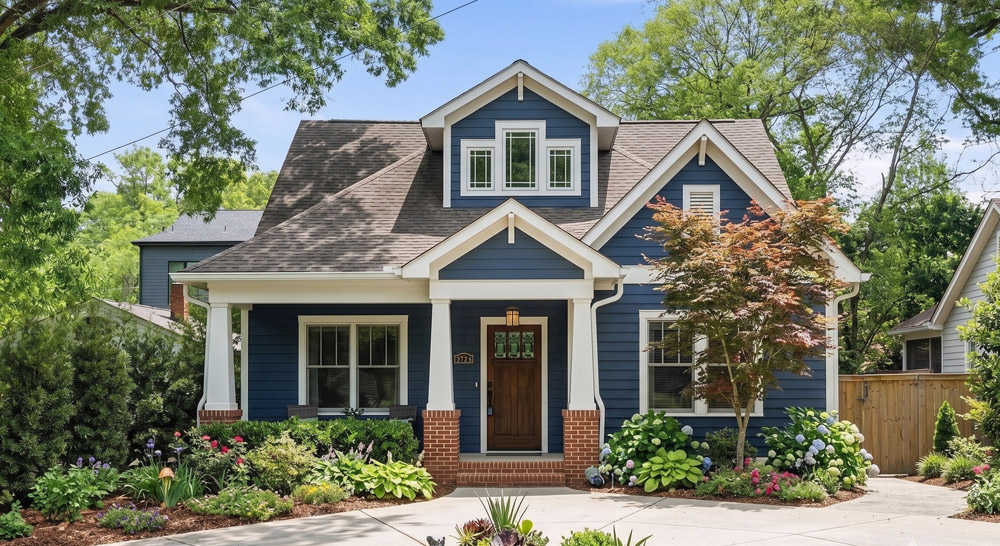
Housing at a Glance
NoDa offers a diverse housing inventory that includes historic homes, modern apartments, townhomes, and mixed-use residential developments.
| Metric | Description |
|---|---|
| Type | Historic mill houses, single-family homes, apartments, condominiums, and townhomes. |
| Size & Layout | Typically 700 to 3,500+ square feet, depending on property type. |
| Interior & Exterior Features | Historic details, exposed brick, open floor plans, modern finishes, front porches, and walkable access to neighborhood amenities. |
Real Estate Snapshot
The NoDa housing market remains one of Charlotte’s most competitive urban markets.
Demand is driven by the neighborhood’s unique identity, walkability, transit access, and proximity to Uptown. Continued redevelopment has expanded housing options, though demand remains strong among buyers and renters seeking a more urban lifestyle.
Many residents view NoDa as a neighborhood that combines long-term investment potential with a highly desirable quality of life.
| Metric | Summary |
|---|---|
| Market Demand | Strong due to cultural identity, walkability, and location. |
| Inventory | Active development but limited supply in highly desirable areas. |
| Buyer Profile | Professionals, creatives, investors, entrepreneurs, and urban lifestyle seekers. |
| Pricing Context | Above Charlotte averages due to demand and location. |
| Investment Pattern | Strong appreciation tied to continued redevelopment and popularity. |
Amenities & Local Conveniences
NoDa offers one of Charlotte’s most distinctive collections of local businesses and cultural destinations.
The neighborhood’s restaurant scene includes favorites such as Haberdish, Cabo Fish Taco, and Ever Andalo. Independent coffee shops, cocktail bars, and bakeries contribute to an environment that feels locally driven rather than dominated by national chains.
Live music plays an important role in the neighborhood’s identity. Venues such as The Evening Muse have helped establish NoDa as one of Charlotte’s leading entertainment districts.
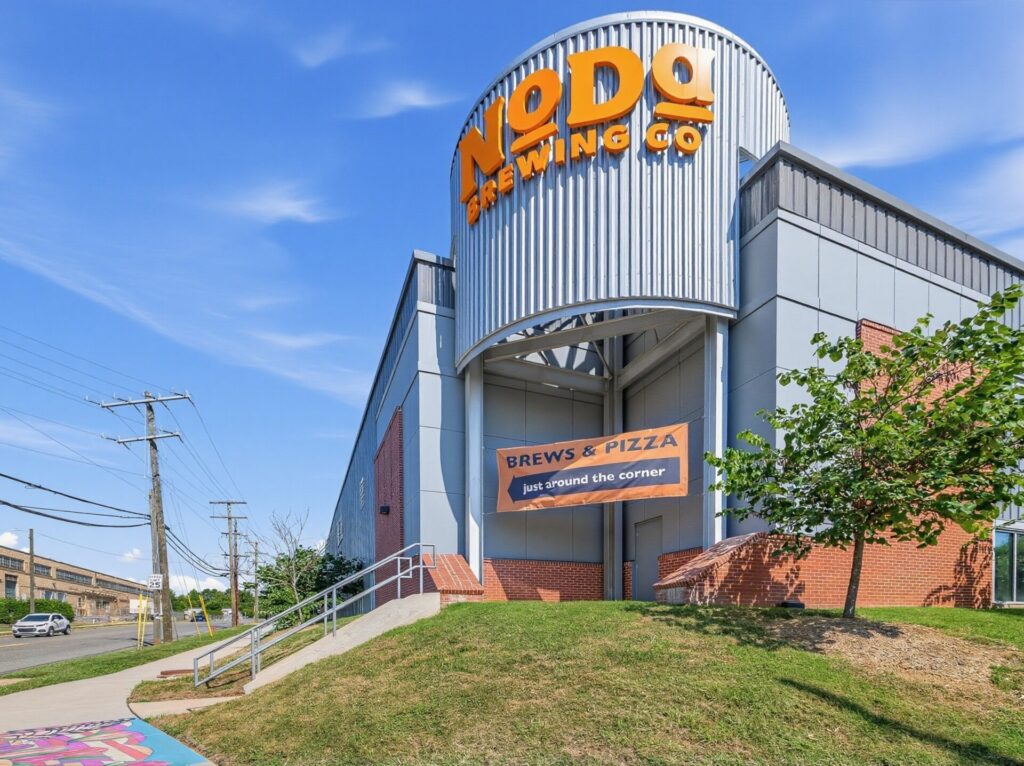
Breweries are also central to the neighborhood experience. NoDa Brewing Company, Heist Brewery, and several other local establishments attract residents and visitors throughout the week.
Retail options emphasize locally owned businesses, art galleries, and specialty shops. Public events, art walks, and neighborhood festivals further contribute to the area’s active social calendar.
The concentration of amenities within a relatively compact area allows residents to enjoy a highly connected lifestyle centered around local businesses and community gathering spaces.
Schools & Education
NoDa is served by Charlotte-Mecklenburg Schools. Students may be assigned to schools including Villa Heights Elementary School, Eastway Middle School, and Garinger High School, though assignments vary by address and school-choice options.
Charlotte-Mecklenburg Schools utilizes attendance zones, magnet programs, and school-choice pathways, so families should verify assignments directly with the district.
The neighborhood’s central location also provides convenient access to private schools and higher education institutions throughout Charlotte.
Nearby colleges and universities include Johnson C. Smith University, Queens University of Charlotte, and the University of North Carolina at Charlotte.
Commuting & Location
NoDa benefits from a highly accessible location close to Charlotte’s urban core.
| Destination | Approximate Drive Time |
|---|---|
| Uptown Charlotte | 10 minutes |
| South End | 15 minutes |
| Plaza Midwood | 5 minutes |
| SouthPark | 20 minutes |
| Charlotte Douglas International Airport | 20–25 minutes |
| University City | 15 minutes |
Drive times may vary depending on traffic conditions.
Direct access to the LYNX Blue Line provides an alternative transportation option and contributes significantly to the neighborhood’s appeal.
NoDa Neighborhood Map
Quirks & Perks
One of NoDa’s defining characteristics is its ability to maintain a strong neighborhood identity despite rapid growth.
Many Charlotte neighborhoods are known for housing, parks, or schools. NoDa is known for its culture. Public art, independent businesses, live music, and creative entrepreneurship shape daily life in ways that distinguish it from nearly every other neighborhood in the city.
Another notable advantage is the concentration of locally owned establishments. While national retailers are present nearby, much of NoDa’s appeal comes from businesses that reflect the neighborhood’s unique personality.
The neighborhood’s industrial heritage also contributes to its character. Former mills, warehouses, and worker housing continue to shape both the physical environment and community identity.
Neighborhood Logistics
NoDa operates within the City of Charlotte, with municipal services including police, fire protection, sanitation, and public works provided by the city.
Residential options range from historic homes to modern apartment communities and townhome developments. Some properties are governed by homeowner’s associations, while others operate independently.
Parking availability varies depending on location. Newer developments typically include structured or designated parking, while street parking is common throughout portions of the neighborhood.
Many daily errands can be completed on foot, particularly within the neighborhood’s commercial core. The overall trade-off is an urban lifestyle characterized by walkability, cultural activity, historic character, and one of Charlotte’s strongest senses of place.
Explore Charlotte Neighborhoods
Note on imagery: Images marked “AI Generated” are visuals to illustrate the neighborhood homes, atmosphere and architectural style. To protect homeowner privacy, these images are artistic representations and do not depict specific existing properties.