

South End, Charlotte, NC: Connected. Energetic. Electric.
South End is one of Charlotte’s fastest-growing and most recognizable neighborhoods. Located immediately south of Uptown, the district has transformed over the past two decades from a collection of former industrial properties and warehouses into one of the Southeast’s most vibrant mixed-use neighborhoods. Today, South End is defined by its walkability, transit access, dining scene, residential development, and active street life.
The neighborhood stretches along the LYNX Blue Line corridor and centers around the Rail Trail, a multi-use path that connects residents to restaurants, breweries, parks, offices, and retail destinations. Unlike many urban neighborhoods that evolved over generations, the South End’s growth has been rapid, creating an environment that feels distinctly modern while still incorporating elements of Charlotte’s industrial history.
Its location between Uptown and several established residential neighborhoods makes the South End one of Charlotte’s most connected places to live, attracting professionals, entrepreneurs, remote workers, and residents seeking an urban lifestyle.
Overall Vibe & Lifestyle
Life in the South End revolves around activity and convenience.
Residents often describe the neighborhood as one of Charlotte’s most walkable and socially connected areas. Daily life frequently includes walking to coffee shops, fitness studios, breweries, restaurants, and offices rather than relying on a vehicle for every trip. The neighborhood’s concentration of amenities allows many residents to structure large portions of their day around walking, biking, or using public transit.
Unlike more traditional residential neighborhoods, South End functions as a mixed-use district where housing, employment, entertainment, and retail coexist. New apartment communities, office buildings, and restaurants continue to shape the area, creating an environment that remains dynamic and constantly evolving.
The neighborhood attracts a broad range of residents, but it is particularly popular among young professionals and those seeking an active, urban lifestyle. Evenings often center around restaurants, breweries, and social gatherings, while weekends bring consistent activity to the Rail Trail and nearby public spaces.
The overall atmosphere is energetic and highly connected, with significantly more pedestrian activity than most Charlotte neighborhoods.
Safety & Walkability
South End is widely considered one of the most walkable neighborhoods in Charlotte.
Sidewalks are extensive, blocks are relatively compact, and destinations are clustered closely together. Residents can easily walk between restaurants, retail shops, offices, fitness studios, breweries, and transit stations.
The Rail Trail serves as the neighborhood’s primary pedestrian spine, connecting multiple districts and providing a dedicated route for walking, running, and cycling. The trail functions as both a transportation corridor and a public gathering space, helping define the neighborhood’s identity.
Access to the LYNX Blue Line further enhances mobility. Residents can travel to Uptown, NoDa, University City and other destinations without relying on a car, a significant advantage in a metropolitan area that remains largely automobile-oriented.
Traffic can become congested during peak commuting hours and major events, particularly along South Boulevard and surrounding corridors. However, many residents find that the neighborhood’s walkability reduces reliance on driving for short trips.
Natural & Built Environment
South End’s built environment reflects its evolution from an industrial district into a modern urban neighborhood.
Former warehouses, textile buildings, and manufacturing facilities have been converted into restaurants, offices, breweries, and retail spaces. These historic structures now coexist alongside modern apartment communities, office towers, and mixed-use developments.
The Charlotte Rail Trail serves as the neighborhood’s defining outdoor feature, providing green space and recreational opportunities within a highly developed urban environment. Public art installations, plazas, and landscaped gathering areas are integrated throughout the district, helping soften the urban landscape.
While South End does not offer the mature tree canopy found in neighborhoods such as Dilworth or Myers Park, the area compensates through intentional public-space design and pedestrian-oriented development.
Nearby access to Freedom Park, the Little Sugar Creek Greenway, and other Charlotte parks further expands outdoor recreation opportunities for residents.
Design & Architecture
Architecture in the South End reflects both Charlotte’s industrial past and its contemporary growth.
Historic warehouse buildings remain among the neighborhood’s most distinctive architectural elements. Many have been converted into restaurants, breweries, offices, and residential spaces while preserving original brick facades, exposed beams, and industrial details.
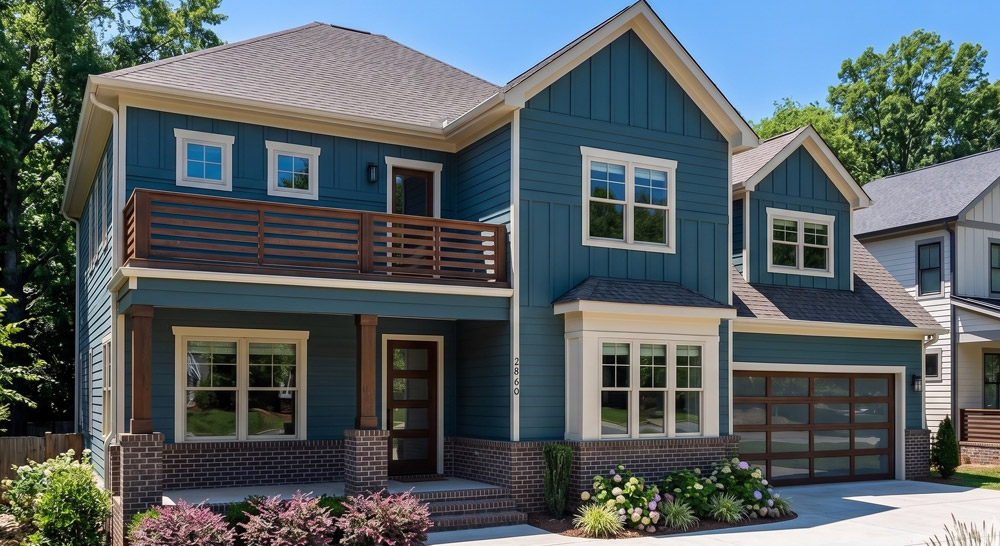
New construction dominates much of the residential market, including apartment communities, townhomes, condominiums, and mixed-use developments. Modern architecture, large windows, rooftop amenities, and contemporary floor plans are common throughout the neighborhood.
The combination of adaptive reuse and new development creates a streetscape that feels more urban and contemporary than most Charlotte neighborhoods.
Unlike historic districts that emphasize preservation, South End embraces ongoing change and redevelopment as part of its identity.
Housing at a Glance
South End offers a mix of apartments, condominiums, townhomes, and modern residential developments.
| Metric | Description |
|---|---|
| Type | Apartments, condominiums, townhomes and mixed-use residential developments. |
| Size & Layout | Typically 600 to 3,000+ square feet, depending on property type. |
| Interior & Exterior Features | Open floor plans, modern finishes, rooftop amenities, fitness centers, balconies, and walkable access to neighborhood amenities. |
Real Estate Snapshot
South End remains one of Charlotte’s most competitive residential markets.
Strong demand is driven by the neighborhood’s walkability, transit access, employment opportunities, and concentration of restaurants and entertainment. New residential development continues throughout the area, but demand has remained strong due to the neighborhood’s popularity and limited supply of highly walkable urban housing.
Buyers and renters are often drawn to the South End for its urban experience, which is hard to find elsewhere in the Charlotte region.
| Metric | Summary |
|---|---|
| Market Demand | Strong due to walkability, transit access, and urban lifestyle. |
| Inventory | Active development pipeline, but consistently strong demand. |
| Buyer Profile | Young professionals, executives, investors, and urban lifestyle seekers. |
| Pricing Context | Premium pricing compared to many Charlotte neighborhoods. |
| Investment Pattern | Strong appreciation supported by continued growth and redevelopment. |
Amenities & Local Conveniences
South End offers one of the highest concentrations of amenities in Charlotte.
The neighborhood’s dining scene includes local favorites such as Superica, Kid Cashew, Flower Child, Leroy Fox, and numerous chef-driven restaurants. Coffee shops, cocktail bars, and bakeries are integrated throughout the district, creating opportunities for daily neighborhood-oriented activity.
South End is also one of Charlotte’s leading destinations for breweries. Breweries such as Club West Brewing, Triple C Brewing, and Wooden Robot Brewery have helped establish the neighborhood as a regional gathering place.
Retail options range from national brands to locally owned boutiques and specialty shops. Grocery stores, fitness studios, salons, medical offices and other everyday services are located throughout the neighborhood, reducing the need for residents to travel outside the district for routine errands.
Its proximity to Uptown further expands access to cultural institutions, sports venues, major employers, and entertainment destinations.
Schools & Education
Charlotte-Mecklenburg Schools serve the South End. Students may be assigned to schools including Dilworth Elementary School, Sedgefield Middle School, and Myers Park High School, though assignments vary by address and school-choice selections.
Because Charlotte-Mecklenburg Schools utilizes attendance zones, magnet programs, and school-choice options, families should verify assignments through the district’s official school locator tool.
Private school options are readily accessible throughout the surrounding area. At the same time, higher education institutions such as Queens University of Charlotte, Johnson C. Smith University, and the University of North Carolina at Charlotte are located within the broader metro area.
Commuting & Location
South End benefits from one of the most connected locations in Charlotte.
| Destination | Approximate Drive Time |
|---|---|
| Uptown Charlotte | 5–10 minutes |
| Dilworth | 5 minutes |
| SouthPark | 15–20 minutes |
| Charlotte Douglas International Airport | 15–20 minutes |
| University City | 20–30 minutes |
| Lake Norman | 35–45 minutes |
Drive times may vary depending on traffic conditions.
The neighborhood’s direct access to the LYNX Blue Line significantly expands transportation options and provides convenient connections throughout Charlotte.
South End Neighborhood Map
Quirks & Perks
One of South End’s defining characteristics is the Rail Trail.
More than a recreational amenity, the trail functions as the neighborhood’s social and transportation backbone. Residents regularly use it to commute, exercise, meet friends, and access businesses throughout the district.
Another advantage is the concentration of amenities within a relatively compact area. Few Charlotte neighborhoods allow residents to walk from home to work, dinner, fitness classes, and entertainment without using a vehicle.
The neighborhood’s constant evolution also creates a sense of momentum. New restaurants, businesses, and developments regularly open, ensuring that the South End continues to feel fresh and dynamic.
Neighborhood Logistics
South End operates within the City of Charlotte, with municipal services, including police, fire protection, sanitation, and public works, provided by the city.
Most residential properties are part of professionally managed apartment, condominium, or townhome communities, many of which maintain their own amenities and property management structures.
Parking availability varies by property type. Newer developments often include structured parking, while street parking can become competitive near popular destinations and event areas.
Daily errands can often be completed on foot, by bicycle, or via public transit. The overall trade-off is an urban lifestyle characterized by walkability, convenience, activity, and access to many of Charlotte’s most desirable amenities.
Explore Charlotte Neighborhoods
Note on imagery: Images marked “AI Generated” are visuals to illustrate the neighborhood homes, atmosphere and architectural style. To protect homeowner privacy, these images are artistic representations and do not depict specific existing properties.