
6 Things to Know About Omaha, NE’s, Urban Core
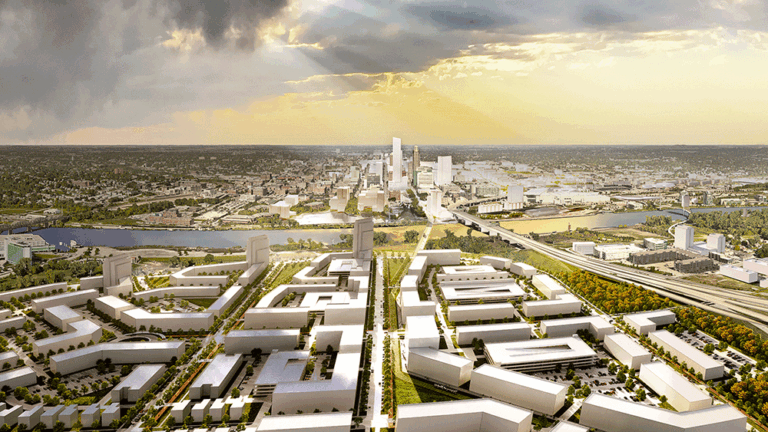
As more people lean into the benefits of urban living, communities across the country are investing in their downtowns.
In Omaha, NE, community leaders are working to transform the city’s urban core into a lively, inclusive environment that serves as the cultural, residential, employment and entertainment heart of the region. The city’s vision centers on creating a dynamic community that connects outlying neighborhoods, attracts jobs and enhances the quality of life for residents and visitors. Ahead, discover six things you need to know about the future of Omaha, NE’s, urban core.
In This Article
1. It will include housing options for all ages and incomes.
The plan for Omaha, NE’s, urban core includes adding a range of housing options to meet the needs of various demographics, from young professionals to retirees. Through mixed income housing developments and accessible residential options, the project aims to create a community that reflects Omaha’s diversity and promotes long-term, multigenerational residency in the city’s core.
“We need to find opportunities to provide more housing at different price points and sizes,” says Stephen Osberg, vice president of project development for PGSA, an investment and development firm working with the city to develop the plan. “We also need to have the amenities that people need to live – things like grocery stores and pharmacies and dry cleaners, the staples of life – as well as fun things to do.”
2. It will include a walkable, connected community.
The project also emphasizes walkability, supported by a fixed-rail streetcar system, making it easier for residents to commute without relying on cars.
“The streetcar system serves as a draw for real estate development in the area because developers know that people and businesses want to be in close proximity to that fixed-rail infrastructure. This will also allow developers to build higher and increase the density in the urban core,” says Alec Gorynski, senior vice president of economic development for the Greater Omaha Chamber of Commerce.
By incorporating pedestrian-friendly infrastructure, reliable public transit and inclusive spaces, Osberg says the urban core will allow all residents to visit and feel welcome.
“The urban core is for everyone,” Osberg says. “I don’t know of any other place where you see that kind of mixing of people.”
3. It will become an entertainment and cultural hub.
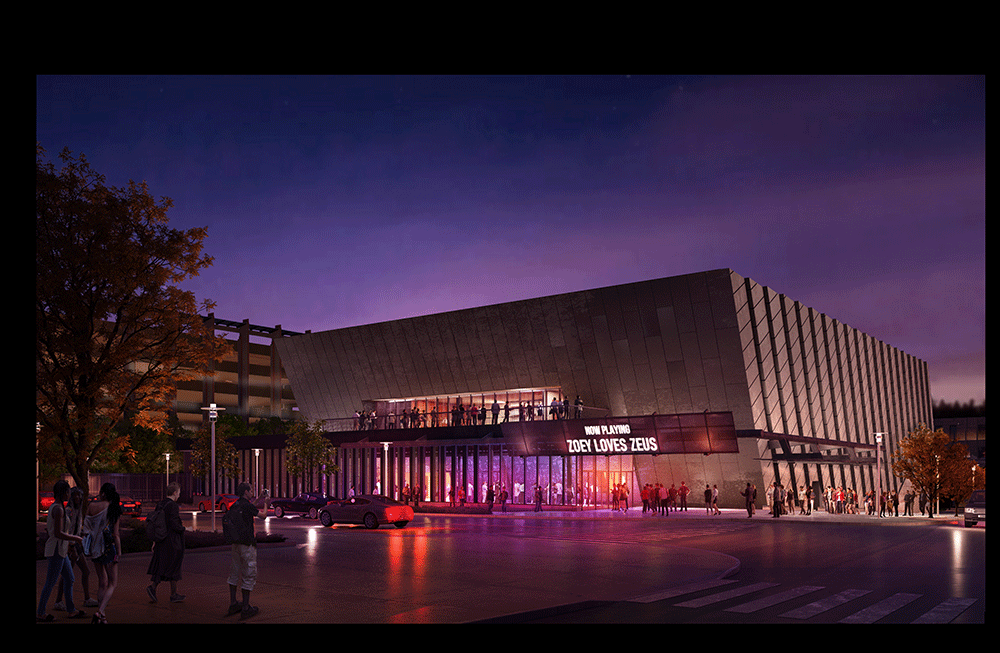
Once revitalized, the urban core will be a cultural and entertainment hub, offering attractions for residents and tourists alike. Key venues, including the Orpheum Theater and the Holland Performing Arts Center, will be joined by parks, green spaces and art installations, ensuring the urban core is a year-round destination.
“People coming from out of town often look to downtown for entertainment and cultural experiences,” Osberg says. “We’ve got great music venues; we’ve got the riverfront; we’ve got lots of great restaurants and bars, and of course it takes all of that. But ultimately, we want to make sure that we have a really good image to offer people and a really good experience to offer people.”
4. It will result in job creation and economic growth.
Omaha, NE’s, urban core is set to become an economic powerhouse, with a 20-year plan to add some 50,000 new jobs and 50,000 new residents.
“A lot of our focus here in Omaha is around the workforce. There’s a lot more interest in urban living, especially among young professionals. So the question becomes, ‘How do we offer the urban lifestyle that the workforce wants?’ The answer is by having a vibrant downtown with places to work, places to live and places to go out with your friends,” Osberg says. “If we can draw people here by creating an environment they want, that helps us grow.”
5. It will prioritize sustainability and green spaces.
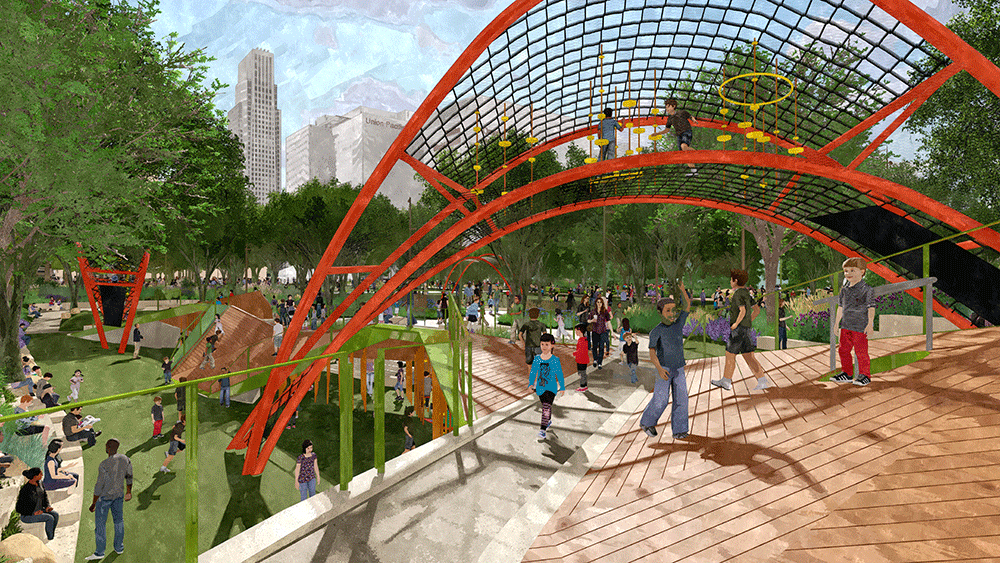
Sustainable practices are woven throughout Omaha, NE’s, urban core plan, from public transportation options to green spaces.
“It’s about having everyone close to green space, whether they’re living or working nearby,” says Osberg, who sees riverfront parks as central meeting places.
The plan also includes measures to address stormwater runoff and support non-motorized transportation options. By focusing on development within existing downtown spaces, Osberg says the plan supports efficient and eco-friendly growth.
6. It will focus on Omaha, NE’s, future.
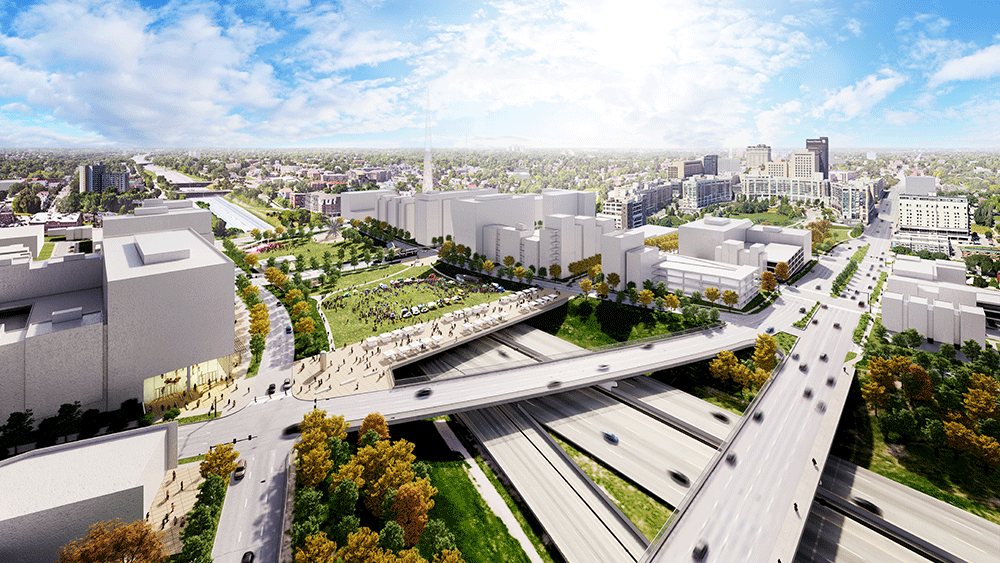
Gorynski says he believes the urban core redevelopment represents a long-term investment in the city’s regional and even national identity.
“The urban core is a powerful signal to people in the community and those throughout the country about who we are and what we value,” Gorynski says. “If you think about the cities that you know and love, one of the first things you think about is your urban experience in that community. It’s such a powerful part of our identity, and that identity is forged when businesses and entertainment and people and cultures and experiences collide to create this really vibrant environment. By investing in this way and concentrating our economic development practices on the urban core, we are creating amenities that not only serve the residents who are here, but we’re creating an environment that will serve as a draw for newcomers.”
This article was sponsored by the Greater Omaha Chamber of Commerce.