Why I Built My Business in Omaha, NE, and You Should, too
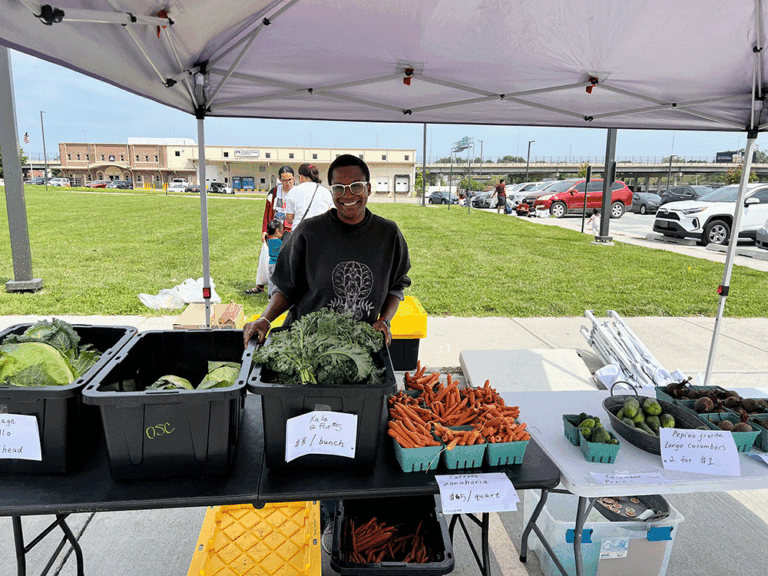
Stephanie Finklea started two businesses – Omaha Sunflower Cooperative and Black Chick Farm – in Omaha, NE, and she is just one of the many entrepreneurial success stories here. This region provides the perfect atmosphere for any business, offering a sturdy economy, plenty of entrepreneurial resources and a wealth of community support.
“Honestly, it was the best decision I’ve ever made,” Finklea says. “I love Omaha. I love our community. I love that it’s small enough that you can have great intimate relationships that you can make readily, but it’s big enough that if you want to make something, you can. The limit is your own imagination and creativity.”
Ahead, hear more about Finklea’s businesses and why she loves operating them in Omaha, NE.
What was the genesis of Omaha Sunflower Cooperative?
I started Omaha Sunflower Cooperative as a response to COVID. I was feeling restless and needed to be doing something. My co-founder and I had talked about it for years, and we took action. We started utilizing the growing space around us – yards and gardens – to grow food. We then facilitated a farmers market with the support of the Omaha Economic Development Corp. In collaboration with them, our market was “pay what you wish” for the produce we grew.
The following year, we were gifted property by City Sprouts, a nonprofit that works with and educates the community to grow food, flowers and herbs using organic, sustainable gardening techniques. By that time, I’d done some speaking engagements that led to more involvement. In 2024, I became the sole operator of the Omaha Sunflower Cooperative. I purchase produce from small farmers, take it to market and sell it to local food hubs and restaurants.
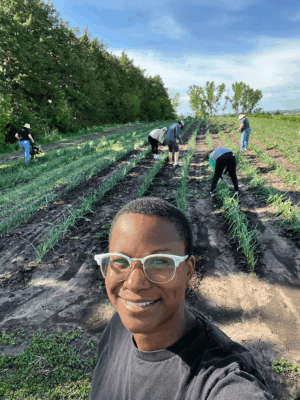
Stephanie Finklea
*Courtesy of Stephanie Finklea
What about Black Chick Farm?
Black Chick Farm was formed after the cooperative because I realized that many of the people in the cooperative started their own farm businesses, and I needed to have my own small farm, as well. Black Chick Farm was an exploration of urban farming to me – to see the viability of it on a microscale.
I use my home for production and have been fortunate that some people in the community have empty lots that I’ve been able to expand into. Black Chick Farm facilitates classes and workshops, does garden consulting work, and I consult with the Nebraska Department of Education on their farm-to-school program.
What made you choose to live and open your businesses in Omaha, NE?
My mother grew up in North Omaha. My grandmother owned her home and passed away in my mom’s childhood home. North Omaha was a place that was really dear to me.
Being a Black woman, it’s a space where I can find most of my community. I spent time here growing up. I went to Arizona State for college and went to Austin for a while, thinking I would move there, and that’s where I really got into local food and the farm-to-table scene. I was really upset it was so expensive. I was talking to community members in Austin about how and what they were doing, and they encouraged me to take it where there wasn’t an active local food movement, like Omaha.
What local resources were you able to utilize to launch and grow your businesses in Omaha, NE?
Some of the organizations I’ve had the fortune of partnering with are City Sprouts, who donated an acre of land in North Omaha for growing. They were instrumental in connecting me to organizations like Natural Resources Conservation Service, a federal organization that has a lot of grants and support for farmers.
I partner with The Big Garden, a nonprofit that works to reduce hunger by increasing access to fresh, healthy produce, and use their cold storage. They also help facilitate and nurture Omaha farmers markets. Whispering Roots focuses on agricultural education. No More Empty Pots is a food hub, so they buy produce, and we’ve collaborated on a grant to make produce free to the community.
It’s been amazing working with the Nebraska Department of Education, and they’ve connected me to a network of other organizations, companies and farmers. Practical Farmers of Iowa, which works to equip farmers to build resilient farms and communities, is working with Sunflower Cooperative and has provided operation funds with a grant. I’ve been so fortunate in all the support I’ve gotten from these organizations.
This article was sponsored by the Greater Omaha Chamber of Commerce.