Beyond Silicon Valley: 5 Up-and-Coming Tech Hotspots

San Francisco, Seattle and New York may be the most famous tech hubs in America, but they certainly aren’t the only players in the game. As those big cities have become more expensive and saturated, it’s become that much more difficult for startups to launch and stand out. Savvy entrepreneurs have taken note, realizing it’s often smarter to choose a different – read: more affordable and inclusive – place to turn your dream into the next world-changing company. They are finding that these spots have it all, with lower barriers to entry and a quality of life that is exponentially higher.
A wave of up-and-coming, mid-sized cities have been building tech economies of their own, in their own style, as they vie to bring new jobs, more residents and innovative energy to town. We scoured the country looking for the cities shining the brightest, rounding up the top five regions that have become tech magnets with no signs of slowing down.
In This Article
1. Nebraska: The Heart of the Silicon Prairie (Lincoln & Omaha)
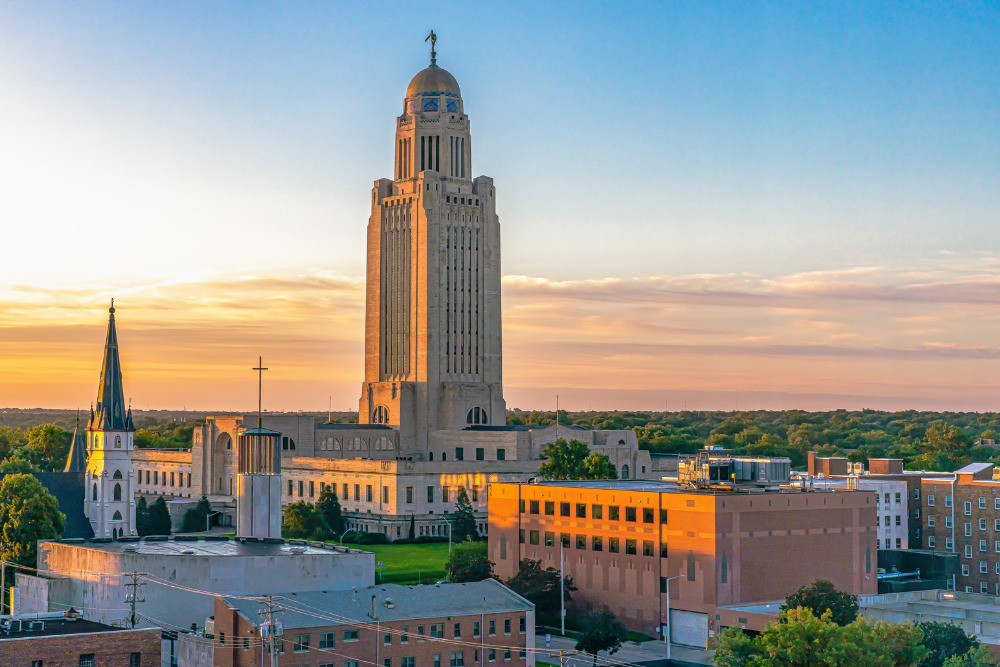
The Cornhusker State likely conjures up images of rolling prairies and sprawling farmland. While those scenes are certainly part of Nebraska’s landscape, they’re not all the state has to offer. Nebraska’s two most populous cities, Lincoln and Omaha, have both become havens for entrepreneurs seeking a home that’s not only affordable but extremely supportive of new tech businesses. In Lincoln, entrepreneurs can enjoy the city’s “campus vibe” that fosters deep-tech startups, particularly in Artificial Intelligence and sports analytics. Omaha’s tech scene is a little more industrial, leveraging the city’s history as a railroad and insurance capital.
This supportive environment is evident through organizations like the Nebraska Angels – a network of more than 60 active venture capitalists investing in tech businesses in the state. The result has been successful startups like CompanyCam, which is based in Lincoln. The company allows users to take photos, track progress and collaborate on tasks with job-site management tools and AI; it became Nebraska’s first tech unicorn late last year, with a $2 billion valuation. Omaha is also home to Silicon Prairie News, a website that covers the startup scene in Nebraska and across the Midwest.
2. Alabama: Aerospace and Inclusive Innovation (Huntsville & Birmingham)

For many cities, investing in a tech economy is a relatively new concept. Not in Alabama! The Northern Alabama city of Huntsville has been a pioneer in innovation since the 1950s, when NASA established operations there. Built on the legacy of NASA’s Marshall Space Flight Center, the “Rocket City” has soared into the 21st century as a premier tech contender. Huntsville has been praised as the nation’s #1 emerging tech market, and unprecedented waves of private capital are fueling this momentum. Even more? The technical workforce in Huntsville remains among the largest per capita in the country. But Huntsville residents don’t have to skimp on the quality of life. The city is one of the best places to live in America, and this tight-knit community works hard to help startups flourish through resources like gener8tor, an incubator in downtown Huntsville.
Tech is flourishing in Birmingham, too! The city’s tech scene is defined by its focus on inclusivity and community and the belief that rising tides raise all ships. The Prosper initiative has funneledmore than $50 million into Black-owned tech startups, making it one of the most inclusive hubs for diverse founders in the Southeast. This collaborative spirit is anchored by the Innovation Depot, the region’s largest tech hub, which continues to scale successful companies through programs such as Voltage and Boost. From the massive success of grocery delivery giant Shipt to a surge in health-tech and neurotech startups, Birmingham proves that life in the “Magic City” is enchanting.
3. Iowa: The Ag-Tech and InsurTech Powerhouse (Ames & Des Moines)
Iowa has evolved into a powerhouse star of the Silicon Prairie. Des Moines, in particular, is one of the fastest-growing metros in the Midwest, a title it has defended for more than a decade thanks to its focus on attracting talent and on young-professional-focused development. For entrepreneurs, Des Moines offers a winning combination: a top-tier job market with a cost of living roughly 30% lower than other coastal hubs. Des Moines is a hot spot for entrepreneurs, given its career opportunities and affordability, and has been named one of the fastest-growing tech job markets in the country.
The regional synergy between Des Moines and nearby Ames, home to Iowa State University, has successfully pushed legacy industries like agriculture and insurance into the digital age. Iowa State recently reported a record $6 billion economic impact on the state, serving as a massive R&D engine for local ag-tech and biotech startups. Des Moines is now widely called the “Hartford of the West” due to its dominance in the InsurTech industry. The city is also home to the Global Insurance Accelerator, which remains the top-ranked mentor-driven program of its kind. The state’s thriving startup ecosystem puts an “Iowa Nice” philosophy first – a collaborative, community-first mindset where the success of one founder is seen as a victory for the entire region.
4. North Carolina: The Evolution of Research Triangle Park (Raleigh, Durham & Chapel Hill)
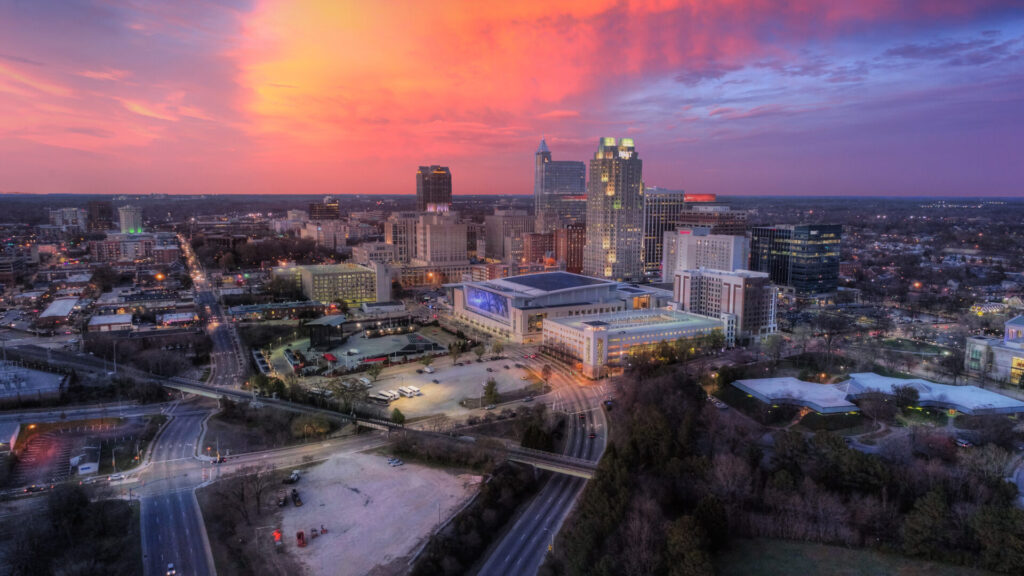
This powerhouse trio has been a global innovation center for more than 60 years. Anchored by North Carolina State University, Duke University and the University of North Carolina at Chapel Hill, the Research Triangle Park remains the largest research park in North America. The region continues to thrive on a unique feedback loop: the universities provide a steady stream of elite talent, which attracts both legacy giants like IBM, Cisco and Lenovo, and a constant wave of new startups.
While the region’s momentum is undeniable, 2026 has brought a shift. The tech sector in the Research Triangle has grown from a hidden gem into one of the nation’s top markets for tech talent. Raleigh, Durham and Chapel Hill have all seen massive growth in the technology sector over the past decade. Raleigh alone saw a nearly 40% increase in tech jobs in the early 2010s, but that growth hasn’t stopped. Apple chose the city for a massive new East Coast campus. Durham has held on to the title of “Startup Capital of the South” thanks to its proximity to Duke University and its life sciences and biotech career opportunities.
The Research Triangle Park is also transforming into a place where people can live, work and play. The Hub RTP project, also known as RTP 3.0, is currently in development, with its first residential and retail districts. This move towards a walkable, urban-in-nature environment is a direct effort to keep the Triangle competitive in the race for young tech talent.
5. Missouri: A Two-Front Innovation Engine (Kansas City & St. Louis)
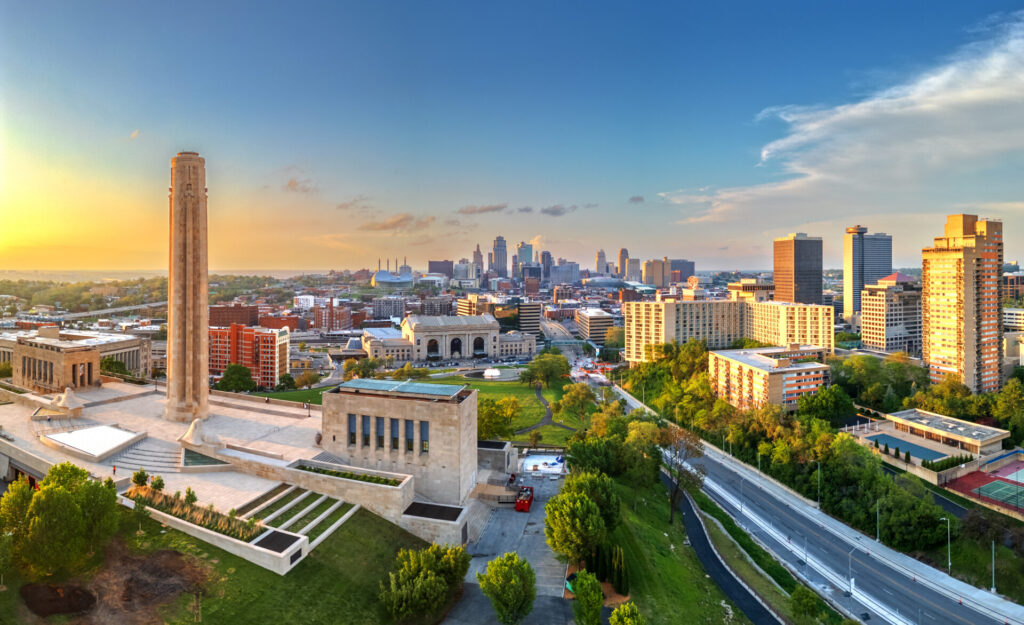
Both Kansas City and St. Louis – on opposite sides of the state – consistently prove that Missouri is a two-front powerhouse for innovation. In Kansas City, the tech sector has matured into a stable regional engine, employing more than 75,000 professionals. While Kansas City first landed on the map as a Google Fiber pioneer, the city has solidified its reputation as a leader in healthcare IT and engineering, with giants like Garmin and Oracle Health driving a $35 billiion economic impact. Kansas City continues to set the bar for inclusivity. It remains one of the few U.S. markets where women in tech earn more than their male counterparts on average.
On the eastern edge of Missouri, St. Louis has reached a major inflection point. With a downtown area thriving with coworking spaces, tech incubators, VC firms and a huge number of startups, the district is thriving. The city’s tech profile reached a new level of prestige with the opening of the National Geospatial-Intelligence Agency (NGA), which built a $1.75 billion headquarters in North St. Louis. The addition of NGA to the area is attracting even more defense-tech startups. This community is tight-knit, too. The success of St. Louis’ tech sector is a result of collaborative efforts among individuals, city officials and universities who all want to invest in the city’s future.
Founder’s Pro-Tip: Looking for early-stage capital? The Nebraska Angels and Birmingham’s Innovation Depot offer some of the highest accessibility for new founders in the Midwest and Southeast.