

Downtown Myrtle Beach & The Golden Mile, Myrtle Beach, SC: Oceanfront. Active. Iconic.
Downtown Myrtle Beach and The Golden Mile represent two of the most recognizable coastal districts within Myrtle Beach, South Carolina. Although geographically close, the two areas offer distinctly different residential environments. Downtown Myrtle Beach centers on the city’s tourism core, anchored by the boardwalk, oceanfront attractions, hotels, restaurants, and entertainment venues. The Golden Mile, located slightly north of the central tourism district along Ocean Boulevard, offers a more residential stretch of oceanfront living defined by larger homes, quieter beaches, and fewer high-rise developments.
Together, these areas reflect the historic and modern evolution of Myrtle Beach as one of the East Coast’s most established beach destinations. Residents benefit from immediate ocean access, proximity to major attractions, and a lifestyle centered around walkability and coastal activity. However, the pace, density, and seasonal tourism patterns vary significantly by section of the neighborhood.
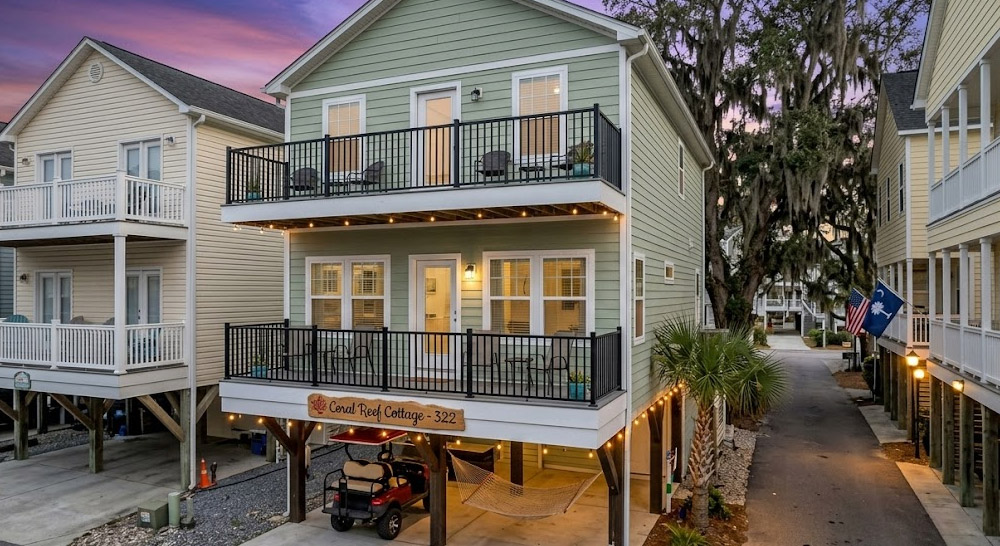
Overall Vibe & Lifestyle
Life in Downtown Myrtle Beach centers on activity, entertainment, and direct access to the oceanfront. The area functions as the city’s primary tourism district, where restaurants, attractions, arcades, bars, hotels, and beach access points are concentrated within a highly active corridor. Residents living downtown are immersed in a fast-paced environment shaped heavily by seasonal visitors, nightlife, festivals, and tourism-driven businesses.
The Golden Mile offers a noticeably different atmosphere despite being only minutes away. This stretch of oceanfront is more residential and less commercialized, with quieter beaches, larger homes, and fewer tourist-oriented businesses directly integrated into the neighborhood. Residents are still close to central attractions but experience a more relaxed coastal environment than the boardwalk district.
The broader area appeals to a mix of condo owners, second-home buyers, retirees, investors, and residents who prioritize ocean proximity and walkable beach access over suburban privacy or separation from tourism activity.
Safety & Walkability
Downtown Myrtle Beach is one of the most walkable areas along the Grand Strand. Sidewalks are continuous throughout the boardwalk and oceanfront corridors, and many daily activities can be completed on foot. Restaurants, convenience stores, attractions, bars, and beach access points are concentrated within a relatively compact area.
Traffic and pedestrian activity remain high during tourist season, particularly along Ocean Boulevard, Kings Highway, and near the boardwalk district. Parking demand also increases significantly during weekends, holidays, and major events. The pace feels distinctly more urban and tourism-oriented than most surrounding Myrtle Beach neighborhoods.
The Golden Mile remains more walkable for recreation than errands. Residents frequently walk, jog, or bike along Ocean Boulevard and the beachfront, but commercial destinations are more dispersed than in the downtown core. Lower density and reduced through traffic contribute to a quieter atmosphere than the central boardwalk area.
Natural & Built Environment
The natural environment throughout Downtown Myrtle Beach and The Golden Mile is defined primarily by direct access to the Atlantic Ocean. Wide, sandy beaches, ocean views, sea breezes, and beachfront recreation shape the character of daily life throughout both areas.
The built environment changes significantly between the two districts. Downtown Myrtle Beach features dense development, with high-rise hotels, oceanfront condominiums, entertainment venues, and commercial corridors clustered closely together. Buildings are positioned tightly along major roads, creating a highly active tourism-oriented streetscape.
The Golden Mile offers a more open, residential environment. Unlike much of Myrtle Beach’s oceanfront, portions of The Golden Mile maintain larger lots, lower-density housing, mature landscaping, and stretches without continuous high-rise towers. Oceanfront homes, upscale condominiums, and quieter residential sections define much of the area’s built character.
Outdoor recreation opportunities are immediate and highly accessible throughout both districts. Residents frequently use the beach itself for walking, biking, running, swimming, and seasonal recreation.
Design & Architecture
Architecture in Downtown Myrtle Beach reflects decades of tourism-driven development. Oceanfront towers, condominium complexes, hotels, older beach cottages, and mixed commercial structures coexist throughout the district. Residential inventory ranges from smaller vacation condos to larger oceanfront units with resort amenities.
The Golden Mile contains some of the area’s most architecturally distinctive residential properties. Homes here often include traditional coastal estates, Mediterranean-inspired residences, modern luxury builds, and upscale oceanfront condominiums. Compared to downtown, the neighborhood’s architecture feels more residential and less commercially driven.
Exterior materials throughout the broader area commonly include stucco, concrete construction, balconies, large windows, and coastal-oriented design elements intended to maximize ocean views and outdoor living space.
Housing at a Glance
Downtown Myrtle Beach and The Golden Mile offer a mix of oceanfront condominiums, vacation properties, luxury homes, and resort-oriented residential options.
| Metric | Description |
|---|---|
| Type | Oceanfront condominiums, luxury homes, resort residences, and mixed-use coastal properties |
| Size & Layout | Typically 600 to 6,000+ square feet, depending on property type |
| Interior & Exterior Features | Ocean views, balconies, resort amenities, pools, direct beach access, and coastal architectural styles |
Real Estate Snapshot
The Downtown Myrtle Beach and Golden Mile housing market reflects strong demand for oceanfront property and walkable coastal living. Buyers are often attracted to direct beach access, rental potential, and proximity to entertainment and dining amenities.
Inventory varies significantly between the two districts. Downtown has a higher concentration of condominiums and resort-oriented properties, with more frequent turnover. At the same time, the Golden Mile inventory tends to remain more limited due to the smaller number of residential properties and larger lot sizes.
| Metric | Summary |
|---|---|
| Market Demand | Strong for oceanfront and walkable coastal property |
| Inventory | Higher condo inventory downtown, more limited luxury inventory along The Golden Mile |
| Buyer Profile | Second-home buyers, retirees, investors, vacation-property owners, and luxury coastal buyers |
| Pricing Context | Wide range from smaller condos to high-end oceanfront estates |
| Investment Pattern | Consistent long-term demand tied to beach access and the tourism economy |
Amenities & Local Conveniences
Residents throughout Downtown Myrtle Beach and The Golden Mile benefit from immediate access to some of the Grand Strand’s most recognizable attractions and entertainment districts.
The downtown corridor includes destinations such as Myrtle Beach Boardwalk and Promenade, SkyWheel Myrtle Beach, and numerous restaurants, bars, arcades, and live entertainment venues concentrated near the oceanfront.
Dining options throughout the area include long-standing local establishments such as Sea Captain’s House, as well as seafood restaurants, rooftop bars, casual beach cafés, and tourism-driven dining venues spread across the corridor.
Residents are also within short driving distance of Broadway at the Beach, medical facilities, grocery stores, golf courses, and commercial centers along Kings Highway and Highway 17.
Schools & Education
Horry County Schools serve downtown Myrtle Beach and The Golden Mile. Students living in the area may be assigned to schools such as Myrtle Beach Elementary School, Myrtle Beach Middle School, and Myrtle Beach High School, though assignments vary depending on address. Families should confirm attendance zones directly with the district.
Nearby higher education options include Coastal Carolina University and Horry-Georgetown Technical College.
Commuting & Location
Downtown Myrtle Beach and The Golden Mile benefit from highly central coastal locations with direct access to major tourism and commercial corridors.
| Destination | Approximate Drive Time |
|---|---|
| Broadway at the Beach | 5-10 minutes |
| Myrtle Beach International Airport | 10-15 minutes |
| The Market Common | 15-20 minutes |
| North Myrtle Beach | 25-35 minutes |
| Murrells Inlet MarshWalk | 30-40 minutes |
Drive times may vary significantly during peak tourism season and major event weekends.
Downtown Myrtle Beach Neighborhood Map
Quirks & Perks
One of the area’s defining characteristics is the ability to live directly within Myrtle Beach’s most iconic coastal environment. Residents can walk to the beach, restaurants, attractions, and entertainment venues in ways that are not possible in most other Grand Strand neighborhoods.
The contrast between Downtown Myrtle Beach and The Golden Mile also creates unusual flexibility within a single broader district. Residents seeking nightlife, entertainment, and activity can remain near the boardwalk corridor, while those wanting a quieter luxury oceanfront environment can gravitate toward the more residential Golden Mile section.
Another major advantage is the immediacy of ocean access. In many parts of Myrtle Beach, beach parking and seasonal congestion shape daily routines. Residents in these neighborhoods can often bypass much of that complexity simply by walking to the shoreline.
Neighborhood Logistics
Downtown Myrtle Beach and The Golden Mile operate within the City of Myrtle Beach, with municipal services including police, fire protection, sanitation, and public works provided by the city government. Residential properties may also be governed by condominium associations, resort management groups, or homeowners’ associations, depending on the specific building or development.
Parking logistics vary substantially throughout the area. Oceanfront condominiums and resort buildings often rely on structured garages or designated resident parking, while older homes and smaller properties may use surface lots or driveways. Visitor demand during peak tourism season can increase congestion and parking pressure throughout the district.
Daily life also changes seasonally. Summer months bring dramatically higher traffic volumes, pedestrian activity, and tourism density, particularly near the boardwalk and central oceanfront. Residents often adjust their routines around peak visitor periods, while off-season months bring a significantly quieter, more residential atmosphere throughout much of the area.
Explore Myrtle Beach Neighborhoods
Note on imagery: Images marked “AI Generated” are visuals to illustrate the neighborhood homes, atmosphere and architectural style. To protect homeowner privacy, these images are artistic representations and do not depict specific existing properties.