

Best Myrtle Beach, SC, Neighborhoods
Myrtle Beach, South Carolina, offers a broader range of neighborhood styles than many coastal destinations, blending oceanfront high-rises, master-planned suburbs, and historic surrounding beach towns. Located at the heart of the Grand Strand, the greater Myrtle Beach area balances access to world-class resort amenities with a strong year-round identity shaped by championship golf courses, sprawling waterways, and residential variety.
From the walkable, bustling energy of the beachfront and upscale urban villages to quiet golf communities, Intracoastal Waterway enclaves, and relaxed Lowcountry towns, the region provides options for buyers at different life stages. Whether you’re prioritizing direct beach access, newer suburban construction, or a more established, historic neighborhood feel, the area delivers a mix that’s both practical and distinct.

Myrtle Beach’s Neighborhood Landscape
The region’s layout naturally divides into three general areas. Myrtle Beach proper and the immediate oceanfront corridors offer high-density living, luxury amenities, and direct access to the beach and entertainment districts. Inland, just west of the Intracoastal Waterway, areas like Carolina Forest and Conway feature expansive, family-friendly subdivisions, newer developments, and historic riverfront charm. Finally, the surrounding coastal towns—stretching from North Myrtle Beach down through Surfside, Murrells Inlet, and Pawleys Island—function as distinct, standalone communities offering quieter beaches, renowned seafood, and affluent historic enclaves.
That range gives buyers flexibility. Some neighborhoods emphasize walkability and vacation-style living, while others prioritize space, top-rated schools, or proximity to golf and boating recreation.
Best Neighborhoods in Myrtle Beach: Editor’s Picks
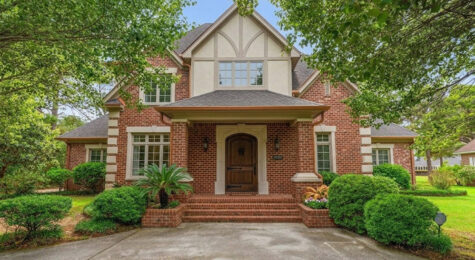
Myrtlewood, Myrtle Beach, SC: Central. Golf-Oriented. Established.
Myrtlewood is a centrally located golf-course community situated between the Intracoastal Waterway and the coastal tourism corridor in Myrtle Beach, South Carolina. Built around the long-established Myrtlewood Golf Club property,…
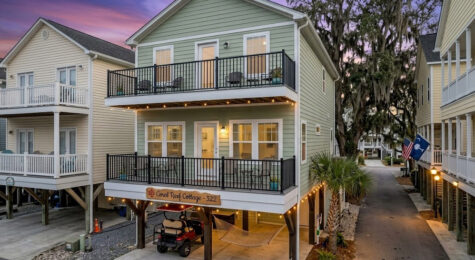
Downtown Myrtle Beach & The Golden Mile, Myrtle Beach, SC: Oceanfront. Active. Iconic.
Downtown Myrtle Beach and The Golden Mile represent two of the most recognizable coastal districts within Myrtle Beach, South Carolina. Although geographically close, the two areas offer distinctly different residential…
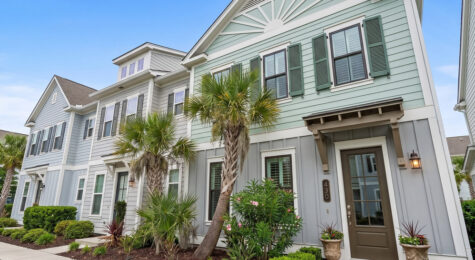
The Market Common, Myrtle Beach, SC: Walkable. Modern. Master-Planned.
The Market Common is a master-planned mixed-use neighborhood located on the south side of Myrtle Beach, South Carolina. Developed on the former site of the Myrtle Beach Air Force Base,…
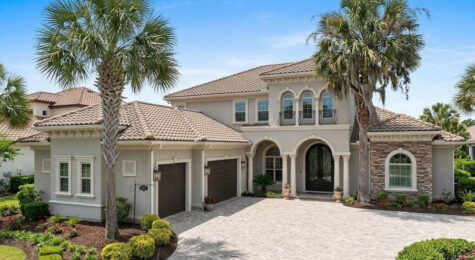
Grande Dunes, Myrtle Beach, SC: Luxurious. Gated. Resort-Oriented.
Grande Dunes is a large master-planned luxury community located along the Intracoastal Waterway and oceanfront corridor in Myrtle Beach, South Carolina. Spanning more than 2,000 acres across both sides of…
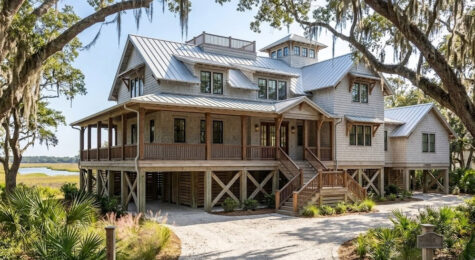
Pawleys Island, Myrtle Beach, SC: Historic. Coastal. Unhurried.
Pawleys Island is a historic coastal community located along the southern end of South Carolina’s Grand Strand, approximately 25 miles south of Myrtle Beach. Known for its quiet beaches, Lowcountry…
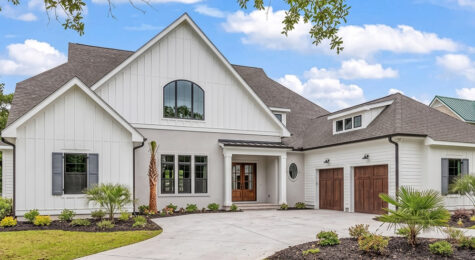
Pine Lakes, Myrtle Beach, SC: Historic. Residential. Golf-Centered.
Pine Lakes is an established residential and golf-oriented neighborhood located along the northern central corridor of Myrtle Beach, South Carolina. Anchored by the historic Pine Lakes Country Club — widely…
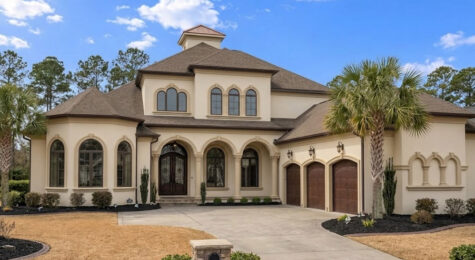
Legends, Myrtle Beach, SC: Golf-Centered. Residential. Amenity-Driven.
Legends is a large golf-course-oriented residential community located west of central Myrtle Beach, South Carolina, near U.S. Highway 501. Built around the well-known Legends Golf Resort complex, the neighborhood combines…
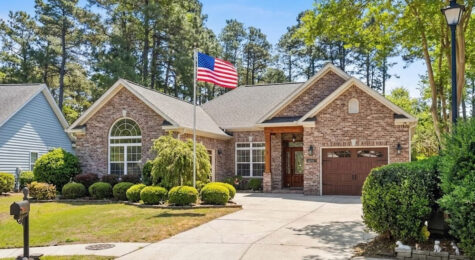
Carolina Forest, Myrtle Beach, SC: Suburban. Expanding. Family-Oriented.
Carolina Forest is a large master-planned suburban community located west of the Intracoastal Waterway in the greater Myrtle Beach, South Carolina area. Developed primarily from the 1990s onward, Carolina Forest…
Best Surrounding Coastal Towns
Murrells Inlet
Known as the “Seafood Capital of South Carolina,” Murrells Inlet is a historic fishing village that offers a completely different, more relaxed Low Country vibe. The heart of the community is the Murrells Inlet MarshWalk, a half-mile wooden boardwalk that connects a dozen famous, rustic-chic restaurants and bars (like Dead Dog Saloon and Drunken Jack’s) overlooking a stunning salt marsh. This is a boater’s and foodie’s paradise, with a lifestyle built around fishing, kayaking, and enjoying live music with a marsh view. It’s ideal for those who want coastal charm, a laid-back atmosphere, and a strong sense of community.
Read more about Murrells Inlet and find homes for sale.
North Myrtle Beach
While a separate city, North Myrtle Beach functions as a key “neighborhood” of the Grand Strand, known for its distinct, slightly more relaxed and family-oriented feel. It’s home to major attractions like Barefoot Landing, the Alabama Theatre, and the House of Blues. The Ocean Drive section is the historic heart of the community, famous as the birthplace of the “Shag,” South Carolina’s state dance. It offers a wide range of housing, from channel-front homes with private docks in Cherry Grove to golf course villas and oceanfront condos.
Read more about North Myrtle Beach and find homes for sale.
Surfside Beach
Known explicitly as “The Family Beach,” Surfside Beach is a small town just south of Myrtle Beach that prides itself on its safe, community-focused environment. The town is cleaner and quieter than central Myrtle Beach, with a focus on its pier, local restaurants, and residential neighborhoods. It offers a mix of older beach bungalows, new-build homes, and family-friendly condo resorts. It is a top choice for full-time families and retirees who want to be close to the ocean but removed from the high-energy tourist corridors.
Read more about Surfside Beach and find homes for sale.
Best Island Option
Conway
For those who prefer historic charm over beach life, Conway serves as the “historic inland” heart of the region. As the Horry County seat, this beautiful river town is about 25 minutes inland from the beach. It is defined by its stunning, oak-lined streets, antebellum homes, and a picturesque Riverwalk along the Waccamaw River. Home to Coastal Carolina University, Conway offers a more traditional, “normal” small-town Southern lifestyle with a significantly lower cost of living. It’s a popular choice for commuters, university staff, and residents who want access to the beach but not the daily hustle.
Read more about Conway and find homes for sale.
Myrtle Beach, SC Neighborhood Map
Nearby Major Cities
Myrtle Beach’s location on the coast makes it a strategic hub, with easy drives to other major Southern destinations.
- Charleston, SC: About 2 hours south, this world-renowned historic city offers cobblestone streets, award-winning culinary experiences, and deep antebellum history, making for a perfect weekend getaway.
- Wilmington, NC: About 1.5 hours north, Wilmington is a charming and historic port city known for its beautiful riverfront, “Hollywood East” film industry, and nearby beaches like Wrightsville.
- Florence, SC: About 1.5 hours west, Florence is a key inland hub at the intersection of I-95 and I-20, serving as a major center for industry, medicine, and commerce.

Everyday Life in Myrtle Beach Neighborhoods
Life on the Grand Strand is a unique blend of vacation energy and local routine. Mornings might start with a walk or run around the lake at The Market Common’s Grand Park or a quiet stroll on the beach at Myrtle Beach State Park.
Afternoons are often spent at kids’ soccer games in Carolina Forest, shopping at the Tanger Outlets, or enjoying a golf cart ride through a neighborhood. Weekends mean firing up the boat for a cruise on the Intracoastal Waterway (ICW), grabbing lunch on the Murrells Inlet MarshWalk, or heading to Huntington Beach State Park to see the alligators and tour the historic Atalaya Castle.
The community rallies for beloved local traditions. On summer nights, families gather to watch the Myrtle Beach Pelicans (a Chicago Cubs Single-A affiliate) play baseball. Annual festivals are a huge part of life, from the massive Carolina Country Music Fest on the downtown oceanfront to the World Famous Blue Crab Festival in Little River and the charming Conway Riverfest. Evenings are for enjoying live music, whether it’s shag dancing in North Myrtle Beach or listening to a band on the MarshWalk.
What Brings People to Myrtle Beach’s Neighborhoods?
Many residents choose their Grand Strand neighborhood for a powerful combination of practical and personal reasons.
- Lifestyle and Affordability: This is the No. 1 driver. Myrtle Beach offers a coastal, beach-and-boating lifestyle at a cost of living that is significantly lower than most other East Coast beach destinations. The housing market, in particular, remains incredibly affordable compared to cities in Florida, the Northeast, or California.
- Retirement & Favorable Taxes: The region is a top-tier retirement destination. South Carolina is highly tax-friendly, with no state income tax on Social Security benefits and significant deductions for other forms of retirement income. This, combined with low property taxes, allows retirees to stretch their savings.
- Booming Economy & Growth: The Myrtle Beach area is consistently ranked as one of the fastest-growing in the entire United States. This growth is fueled by a robust tourism and hospitality industry, but also by a massive and expanding healthcare sector, with major employers like Grand Strand Health and Tidelands Health.
Choosing the Right Neighborhood
What makes a neighborhood a great fit? Finding the best place to live on the Grand Strand is about matching the location to your specific needs.
The perfect neighborhood will be the right fit in:
- Proximity to Ocean: Do you want to be oceanfront (Downtown, Golden Mile), a short golf cart ride away (Surfside Beach), or are you happy with a 15-20 minute drive from an inland suburb (Carolina Forest, Conway)?
- Lifestyle: Do you crave a quiet, private, and rustic life (Pawleys Island), a walkable urban hub (The Market Common), a gated luxury enclave (Grande Dunes), or a community built for boaters (Murrells Inlet)?
- School Zoning: Horry County Schools is a vast district. Families moving here often target specific school clusters, with the zones for Carolina Forest, St. James, and Surfside being among the most in-demand.
- Amenities: Do you want the all-inclusive, private amenities of a gated community (like the Grande Dunes Ocean Club) or do you prefer a public, community-centric feel (like the parks and trails in The Market Common)?
- Affordability: The Grand Strand has it all. Prices range from multi-million dollar oceanfront estates in Grande Dunes and Pawleys Island to highly affordable and charming new-build communities in Conway and inland areas.
FAQs About Myrtle Beach Neighborhoods
The Market Common is, by far, the most walkable neighborhood by design. It’s a new urbanist community where you can walk from your home to restaurants, shops, a grocery store, a movie theater, and parks. The Downtown/Boardwalk area is also very walkable, but is more tourist-focused.
Carolina Forest is the most popular choice for families due to its highly-rated schools and large, newer homes. Surfside Beach (“The Family Beach”) and the St. James school district area in Murrells Inlet are also top-tier choices for their excellent schools and community-focused atmosphere.
Myrtle Beach’s “scene” is centered on live entertainment. The main hubs are the major theaters like The Carolina Opry and the Alabama Theatre. For nightly live music, the Murrells Inlet MarshWalk is the local favorite, with a dozen venues. The House of Blues at Barefoot Landing hosts national touring acts.
Yes. Affordability is a key reason for the area’s growth. The most affordable neighborhoods are typically inland. Conway offers historic homes and new construction at a fraction of the cost of beach properties. Inland areas of Carolina Forest, Socastee, and Longs also offer excellent value for new and existing homes.
“Commute” in Myrtle Beach is about navigating the main highways. Neighborhoods with direct access to SC-31 (the “Veterans Highway”), like Carolina Forest and parts of North Myrtle Beach, have the easiest “bypass” route to avoid tourist traffic. For those working in central Myrtle Beach (at the hospital or airport), The Market Common and Grande Dunes offer very short and direct commutes.
Note on imagery: Images marked “AI Generated” are visuals to illustrate the neighborhood homes, atmosphere and architectural style. To protect homeowner privacy, these images are artistic representations and do not depict specific existing properties.