

Myrtlewood, Myrtle Beach, SC: Central. Golf-Oriented. Established.
Myrtlewood is a centrally located golf-course community situated between the Intracoastal Waterway and the coastal tourism corridor in Myrtle Beach, South Carolina. Built around the long-established Myrtlewood Golf Club property, the neighborhood combines residential condominiums, townhomes, golf villas, and nearby commercial access within one of the most geographically convenient areas along the Grand Strand. Unlike more remote golf communities farther inland, Myrtlewood places residents within minutes of beaches, entertainment districts, shopping centers, and major roadways, while still maintaining a quieter residential atmosphere centered on golf and recreation.
Positioned near the U.S. Highway 17 Bypass, Robert Grissom Parkway, and the Broadway at the Beach corridor, Myrtlewood benefits from unusually efficient access to much of central Myrtle Beach. Residential sections are arranged around fairways, lakes, and internal roadways, creating separation from nearby tourism activity despite the neighborhood’s highly central location. The community’s identity is shaped by access to golf convenience and a blend of full-time residential living and second-home ownership.
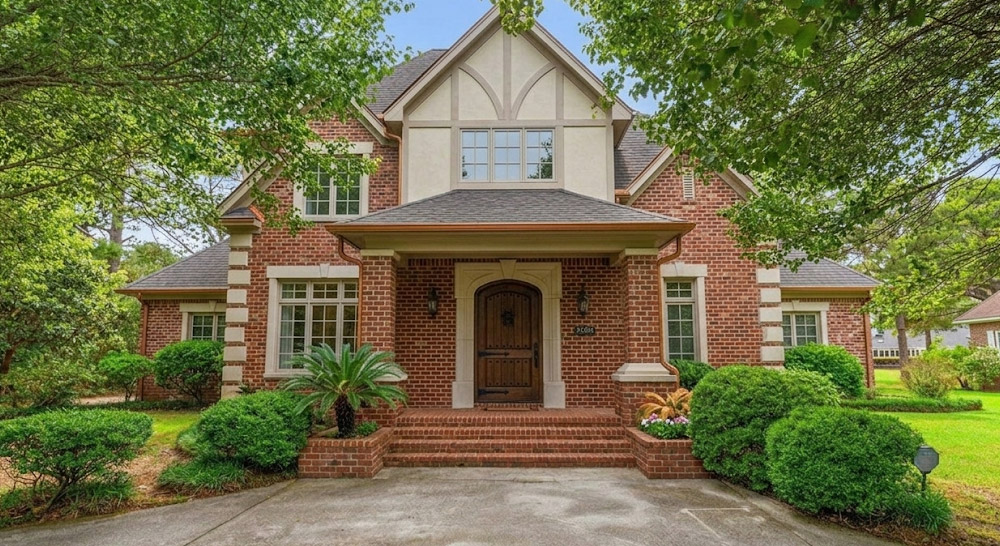
Overall Vibe & Lifestyle
Life in Myrtlewood centers on convenience, recreation, and accessibility. Compared to Myrtle Beach’s oceanfront resort corridors, the neighborhood feels quieter and more residential while remaining extremely close to many of the area’s most active commercial and entertainment districts.
Residents are often drawn to the neighborhood for its central location and relatively easy access to both daily services and recreational amenities. Daily life commonly revolves around golf, neighborhood walks, pool and clubhouse amenities, nearby shopping, and short drives to beaches or entertainment venues. The pace feels more relaxed than that of the nearby tourism districts, while still maintaining strong connectivity to the broader Myrtle Beach area.
The neighborhood appeals to retirees, second-home owners, golfers, investors, seasonal residents, and buyers seeking centrally located housing without direct exposure to the highest-density tourism corridors.
Safety & Walkability
Myrtlewood functions primarily as a vehicle-oriented residential and golf community with lower traffic volume than surrounding commercial corridors. Internal roads are designed around residential access and golf circulation rather than major through traffic.
Sidewalks and walking-friendly streets are present throughout much of the neighborhood, particularly around golf courses, lakes, and residential sections. Residents commonly walk, bike, or use golf carts for recreation within the community itself. However, most grocery shopping, dining, and larger errands still require short drives outside the neighborhood.
One of the neighborhood’s advantages is its ability to remain relatively calm despite its highly central location. Landscaping buffers, golf fairways, and internal residential layouts help reduce the sense of congestion found along nearby tourism corridors.
Natural & Built Environment
The natural environment in Myrtlewood is shaped heavily by golf-course landscapes, lakes, mature trees, and water features integrated throughout the community. Fairways and ponds create open sightlines and green space that distinguish the neighborhood from nearby denser commercial districts.
The built environment consists primarily of condominiums, golf villas, townhomes, and some detached residential sections organized around the golf courses and internal road systems. Residential density varies by section, with many developments emphasizing low-maintenance living and seasonal ownership.
Outdoor recreation is integrated directly into the neighborhood through Myrtlewood Golf Club, which includes two established golf courses and practice facilities. Residents are also within minutes of beach access points, the Intracoastal Waterway corridor, and larger entertainment destinations throughout central Myrtle Beach.
Design & Architecture
Architecture in Myrtlewood reflects several decades of golf-community development, ranging from older condominium buildings to newer villa-style residential sections. Most residential properties prioritize low-maintenance coastal living and golf-oriented design rather than large custom-home construction.
Exterior materials commonly include stucco, siding, balconies, screened porches, and low-rise condominium layouts. Interiors often feature open-concept living spaces, golf-course views, outdoor seating areas, and floor plans designed for vacation, retirement, or seasonal occupancy.
Compared to luxury golf communities such as Grande Dunes, Myrtlewood emphasizes accessibility, convenience, and practical resort-style living rather than gated estate development or high-end custom architecture.
Housing at a Glance
Myrtlewood offers a mix of golf villas, condominiums, townhomes, and other residential properties in a centrally located golf community.
| Metric | Description |
|---|---|
| Type | Condominiums, golf villas, townhomes, and limited detached residential properties. |
| Size & Layout | Typically 800 to 3,000+ square feet with 1-4 bedrooms. |
| Interior & Exterior Features | Golf views, screened porches, balconies, pool access, and low-maintenance exterior design. |
Real Estate Snapshot
The Myrtlewood housing market reflects strong demand driven by location, golf access, and proximity to major Myrtle Beach attractions. Buyers are often attracted to the ability to remain close to beaches, shopping, entertainment, and medical facilities while living in a more residential golf-community environment.
Inventory turnover tends to remain active, particularly among condominiums and villa developments popular with second-home owners and investors. Pricing varies depending on golf frontage, updates, amenity access, and proximity to major attractions.
| Metric | Summary |
|---|---|
| Market Demand | Strong due to central location and golf-community appeal. |
| Inventory | Active turnover, particularly among condos and golf villas. |
| Buyer Profile | Retirees, investors, golfers, seasonal residents, and second-home buyers. |
| Pricing Context | Broad mid-range pricing with more accessibility than luxury golf communities. |
| Investment Pattern | Consistent demand tied to tourism proximity and recreational access. |
Amenities & Local Conveniences
Myrtlewood residents benefit from immediate access to golf and recreational amenities while remaining within one of the most centrally connected locations in Myrtle Beach.
The neighborhood’s defining feature is Myrtlewood Golf Club, which serves as both a recreational anchor and a major visual component of the community. Pool amenities, walking-friendly roads, and maintained landscaping contribute to the neighborhood’s residential appeal.
Residents are also within minutes of major commercial and entertainment destinations, including Broadway at the Beach, grocery stores, medical offices, restaurants, retail centers, and beach access points along the central oceanfront corridor.
Because of the neighborhood’s location near Highway 17 Bypass and Robert Grissom Parkway, residents can often move throughout central Myrtle Beach more efficiently than from many farther inland or oceanfront communities.
Schools & Education
Horry County Schools serve Myrtlewood. Students living in the neighborhood may be assigned to schools such as Myrtle Beach Elementary School, Myrtle Beach Middle School, and Myrtle Beach High School. However, assignments vary by address and enrollment adjustments. Families should confirm attendance zones directly with the district.
Nearby higher education institutions include Coastal Carolina University and Horry-Georgetown Technical College.
Commuting & Location
Myrtlewood’s central location provides efficient access to much of the Grand Strand and Myrtle Beach’s primary destinations.
| Destination | Approximate Drive Time |
|---|---|
| Broadway at the Beach | 5 minutes |
| Myrtle Beach Boardwalk | 10-15 minutes |
| Myrtle Beach International Airport | 15-20 minutes |
| The Market Common | 20-25 minutes |
| North Myrtle Beach | 25-35 minutes |
Drive times may vary depending on the tourism season, traffic, and special events.
Myrtlewood Neighborhood Map
Quirks & Perks
One of Myrtlewood’s defining characteristics is its unusually central positioning within Myrtle Beach. Residents can access golf, beaches, shopping, restaurants, entertainment, and medical services within relatively short drive times while still maintaining some separation from the busiest tourism zones.
Another major advantage is the neighborhood’s balance between recreational atmosphere and practicality. Many golf communities farther inland require longer drives to beaches and entertainment, while Myrtlewood allows residents to remain close to both everyday conveniences and coastal attractions.
The neighborhood’s mixture of seasonal ownership and full-time residency also creates a more flexible housing environment than some exclusively residential or resort-oriented communities.
Neighborhood Logistics
Myrtlewood operates through a combination of condominium associations, homeowners’ associations, and golf community management structures. Community oversight typically includes landscaping maintenance, amenity management, exterior upkeep, and shared infrastructure, depending on the specific development section.
Parking varies by property type. Condominium developments often rely on designated shared parking areas, while villa and townhome sections may include driveways or attached garages. Golf cart use is prevalent throughout the neighborhood, particularly in the golf and residential sections.
Because many properties emphasize low-maintenance living, HOA fees can represent a significant component of ownership costs depending on the property and amenity package. Residents generally view those trade-offs as part of the value proposition tied to landscaping quality, golf access, recreational amenities, and central Myrtle Beach convenience.