
Colleges in Rapid City, SD: A Guide to Local Universities & Technical Schools
Nestled against the Black Hills of South Dakota, Rapid City is more than a gateway to Mount Rushmore – it’s a dynamic center for higher education. Colleges in Rapid City and other higher ed institutions form a collaborative network, each fueling the region’s workforce and innovation. With programs ranging from advanced engineering to health care, these schools provide diverse and specialized pathways to professional success. Here’s a closer look at each higher education institution and its unique opportunities.
In This Article
Black Hills State University – Rapid City
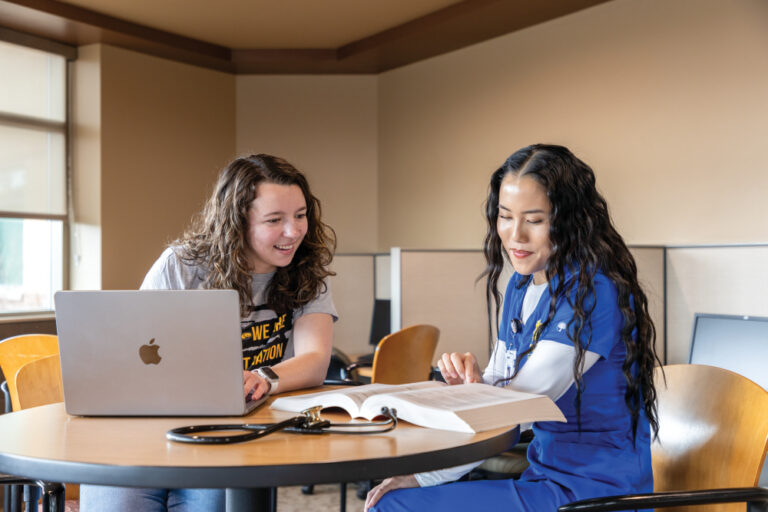
Black Hills State University – Rapid City offers bachelor’s and associate degrees in business, education and social sciences, along with a nursing pathway through a partnership with South Dakota State University. Designed for flexibility, it provides traditional, online and hybrid classes, helping students achieve their academic and career goals while staying close to home. Students at BHSU – Rapid City enjoy full access to BHSU – Spearfish resources and scholarships. Black Hills State is also the official higher education provider for military learners at Ellsworth Air Force Base.
Oglala Lakota College – He Sapa Center
A public, tribal land-grant institution, Oglala Lakota College serves Native and non-Native students through programs grounded in Lakota culture, history and language. At OLC, the descendants of Crazy Horse, Red Cloud and Sitting Bull are on a mission to rebuild the Lakota Nation through education. OLC is both an academic center and a powerful force for cultural preservation and community growth.
South Dakota Mines
Known locally as Mines, this public research university is synonymous with innovation. Specializing in engineering and science degrees, it boasts a 97% graduate placement rate and an average starting salary above $77,000. Students engage in hands-on research – from NASA-funded rocketry projects to work in advanced manufacturing and geology. Mines defines itself as a place where “students are prepared to lead in industries shaping the future,” combining rigorous academics with real-world problem-solving.
“At South Dakota Mines, we prepare students to do more than study engineering or science,” says Mines President Brian Tande, Ph.D. “From day one, they apply what they learn through hands-on experience and research collaborations with industry partners and government agencies. That real-world experience gives our graduates the confidence and skills to innovate and make an immediate impact wherever they go. Whether developing next-generation materials or advancing quantum computing, our students are shaping solutions that make a difference in the world.”
South Dakota State & Dakota Wesleyan
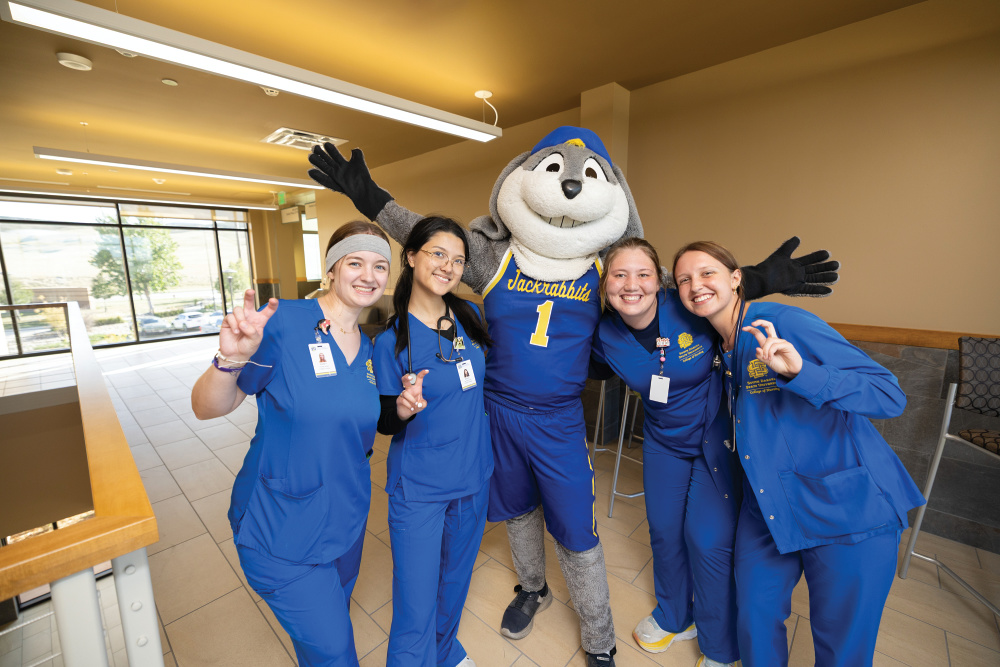
South Dakota State University’s Rapid City Nursing site prepares baccalaureate-trained nurses through a rigorous Bachelor of Science in Nursing program that blends online learning and clinical rotations with area hospitals.
Located within Monument Health facilities, Dakota Wesleyan University’s in-person two-year registered nurse program, with an optional BSN degree offered fully online, adds another option, combining faith-based values with small-class sizes. Together, they expand Rapid City’s role as a health care education hub.
University of South Dakota – Rapid City
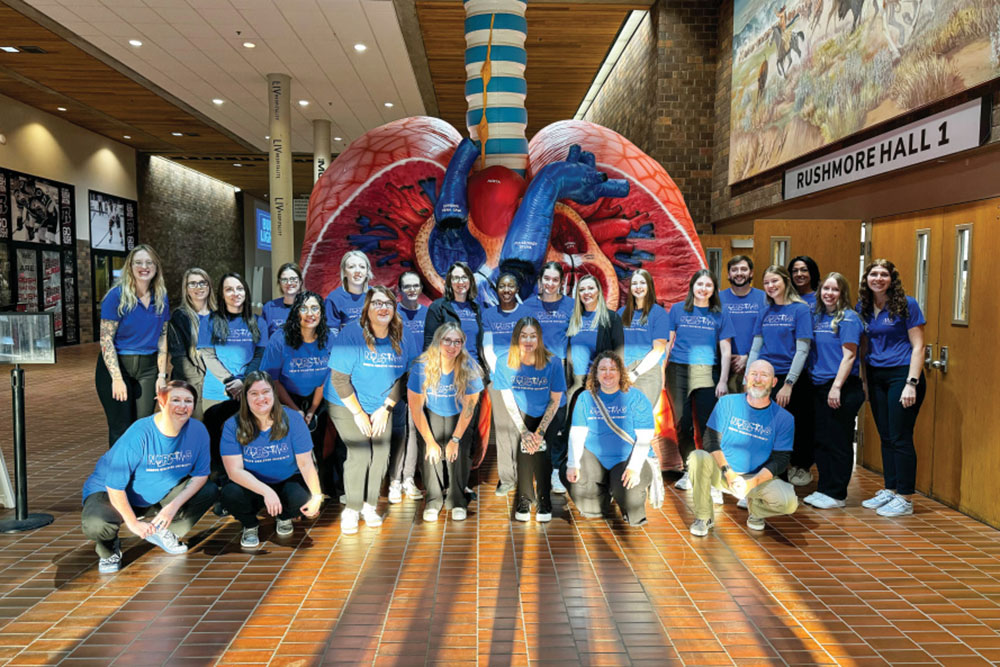
A branch of USD’s Sanford School of Medicine, this campus provides third- and fourth-year medical students with clinical training in Rapid City hospitals. The Monument Health Rapid City campus has been training third- and fourth-year medical students since 1948, helping to meet South Dakota’s health care needs by encouraging future doctors to build roots and practice locally.
“The USD Sanford School of Medicine Rapid City campus is unique in that so many of our faculty grow up here, attend school here and come back to teach the next generation of students,” says Associate Dean Jennifer Hasvold, MD. “Our faculty really view their role as training the future leaders of our health care community.”
Hasvold says all students complete six weeks in a rural medicine environment to help them understand the needs of the state and encourage them to think about how they can meet this need in their future practice. The medical school is in the 100th percentile nationwide for graduates who go on to practice in rural areas.
“Students on the Rapid City campus also have the opportunity to serve a large Native American patient population,” Hasvold says. “We try to help our students understand the unique challenges our tribal communities face so they can provide informed, holistic care to all patients.”
Western Dakota Technical College
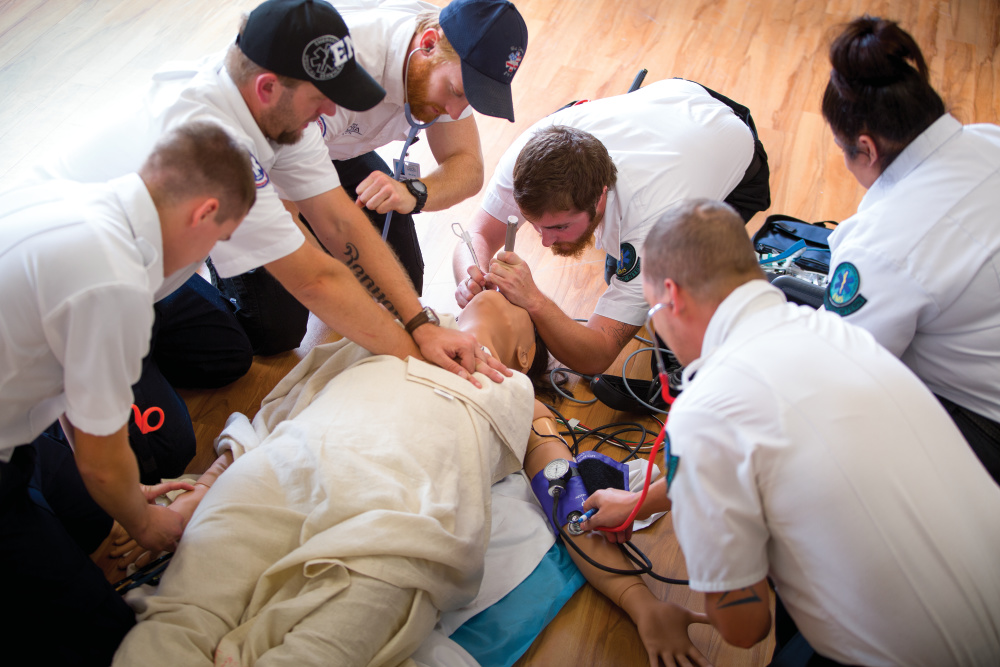
As the region’s only state technical college, Western Dakota Technical College offers nearly 40 career-focused programs in business and computers, construction and manufacturing, energy and environmental technology, health sciences, legal and public services, and transportation technologies. Developed in partnership with local employers, these programs correspond with workforce needs. Per the 2024 Graduate Placement Report, 100% of graduates are working, continuing their education or serving our country within a year of graduating, making WDTC a cornerstone of skilled regional employment and economic growth.
Get to Know Rapid City
Want to learn more about living and working in Rapid City, SD? Check out the latest edition of Livability Rapid City, South Dakota.