
Tennessee Developments: Rolling on the River

When Tennessee native Anna Mae Bullock – better known as Tina Turner – famously sang about “rollin’ on the river,” she was referring to the Mississippi River, which runs along the western edge of the state.
But the Mighty Mississippi makes up only a small portion of the more than 60,000 miles of waterways flowing throughout Tennessee. And increasingly, this natural resource is being further enhanced through public-private partnerships designed to make many of the Tennessee riverfronts even more attractive and accessible. This, in turn, is expanding recreational opportunities and boosting local economies.
“It really speaks to a statewide commitment to investing in the quality of life in Tennessee,” says Patrick Osborne, planning and design director of the Tennessee RiverLine project. “The state is embracing the value of outdoor recreation. Projects like these reflect a broader movement, where Tennesseans see their waterways as assets to be celebrated and protected.”
In This Article
Memphis River Parks Partnership
The City of Memphis has a front-row view to the watery wonder that is the Mississippi River. But easy access from downtown Memphis to the river has long been limited.
That began to change in 2017 with the formation of the Memphis River Parks Partnership. The goal was to convert 5 miles of mostly underused river parks into a connected network of public spaces, with multiple access points to Beale Street and other popular downtown destinations.
“It is meant to draw people together in one place that is beautiful and peaceful,” says Paul Chandler, CEO of the Memphis River Parks Partnership. “The intent is to unify our city and enhance relationships that might have never been developed without this park system.”
The centerpiece is the renovation of 31-acre Tom Lee Park, which opened in 2023 and receives approximately 2 million visitors annually. Chandler expects the park to become even more popular in 2026 with the scheduled opening of the Memphis Flyway, a 40-foot-high observation deck that will extend 218 feet over the Mississippi River.
“When the sun sets across that huge body of water, the view from the Flyway is going to be really spectacular,” Chandler says.

Evolving Chattanooga’s Riverfront
The City of Chattanooga made major enhancements to its Tennessee River frontage in the early 2000s with the 21st Century Waterfront plan. Now, Chattanooga’s economic development engine – the River City Co. – is bringing additional improvements to the area through the Evolving Our Riverfront Parks plan, with work scheduled to begin in 2026.
“Our goal is to add strategic features and amenities to allow for year-round daily use and enjoyment of the waterfront,” says River City Co. President and CEO Emily Mack. “We’re focusing on people-centered design and providing places of enjoyment for our community.”
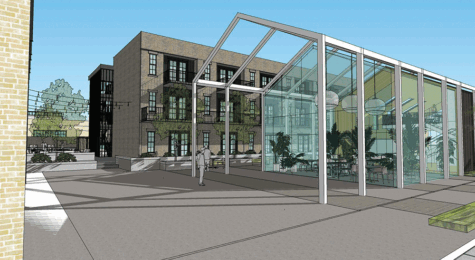
Proposed changes include improvements to the riverfront pier, the creation of additional river access points, landscaping with more shade trees, two new restaurants, two new recreational spaces with playgrounds and more public restrooms.
“This is an opportunity to provide a destination for people to gather and connect with the community and with nature,” Mack says. “It will help support our existing riverfront events, which are huge to the local economy. It will also serve as an economic catalyst for our downtown businesses. This is going to have an incredible ripple effect throughout our city.”

million-acre river park.
Knoxville Is Part of Tennessee RiverLine
The most expansive project of them all, the Tennessee RiverLine, began as an idea by a student in the University of Tennessee School of Landscape Architecture to create a connected system of recreational opportunities along the Tennessee River.
Now, work is underway to make this vision a reality; the long-term goal is to form a 652-mile, 1.2 million-acre river park, stretching from Knoxville to Paducah, Kentucky.
“It’s a regional vision for how our communities connect with the Tennessee River and adjacent public lands,” Osborne says. “Our focus is on planning and designing river access sites, parks, recreation opportunities and the supporting infrastructure.”
The key to the project’s success, Osborne says, is through the RiverTowns Program, in which RiverLine officials work directly with local community leaders. There are currently 12 communities in Tennessee that have signed up to be part of the program.
“This is a generational project that is moving forward in phases, primarily through our RiverTowns Program,” Osborne says. “We’re helping each of these towns identify and prioritize projects that help improve river access and highlight restorative recreation practices. We want to ensure that the river is accessible, healthy and celebrated for generations to come.”
Tennessee Focuses on Outstanding Parks, Too
The most popular outdoor attraction in Tennessee is easily Great Smoky Mountains National Park, which received more than 12 million visitors in 2024. But if you want to be a little more low-key than Smoky, there are also 60-plus state parks across the state.
The offerings range from the nearly 30,000-acre Fall Creek Falls State Park near Spencer to the 11-acre Bicentennial Capitol Mall State Park in Nashville. Scott’s Gulf Wilderness State Park in Sparta features the 110-foot-tall Virgin Falls, which requires a 4-mile hike to reach. It is one of more than 80 waterfalls that can be found within Tennessee’s state parks.
Tennessee added several state parks in 2025. Though it was a division of an existing outdoor attraction, the Hiwassee/ Ocoee Scenic River State Park was split into two separate parks to provide more dedicated resources to each area. The Ocoee River was the site of the 1996 Olympic whitewater slalom events, and the 2.5-mile course remains popular with paddlers.
Head of the Crow State Park and Fiery Gizzard State Park near Monteagle were both carved out of the already existing South Cumberland State Park.
Even more state parks are on the way. The current 950-acre Devil’s Backbone State Natural Area, which is just off Natchez Trace Parkway near Gordonsburg, is set to receive official state park status soon too.
Tennessee bird watching is also exceptional, with over 400 documented species, including residents and migrants. The Cumberland Mountains are vital, hosting the highest global concentration of the near-threatened cerulean warbler’s breeding pairs. Additionally, successful reintroduction efforts mean the majestic bald eagle is now observable statewide.
Get to Know Tennessee
Want to learn more about living and working in Tennessee? Check out the new edition of the Livability Tennessee Economic Development Guide.