

Discover the Cultural Heartbeat of Downtown Abilene, TX
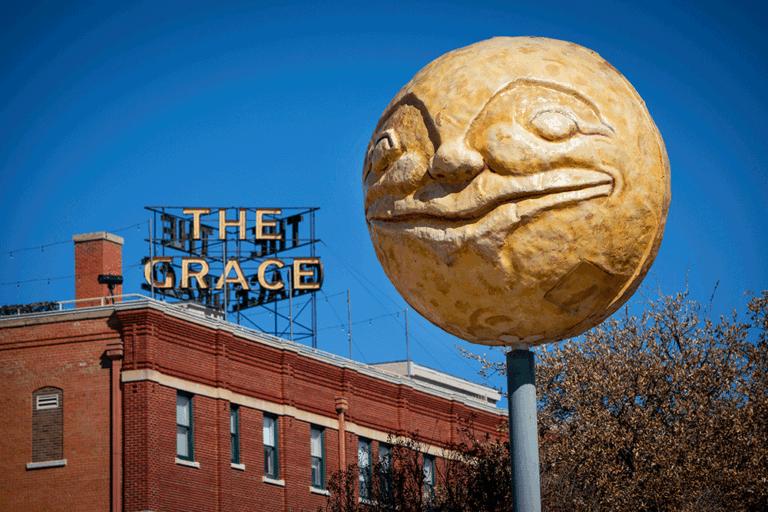
Once upon a time, Abilene, TX, was just another dusty spot on the map of West Texas, but today, it is a thriving city with a cultural district downtown that works to grow and educate the community, bring people together and celebrate the arts.
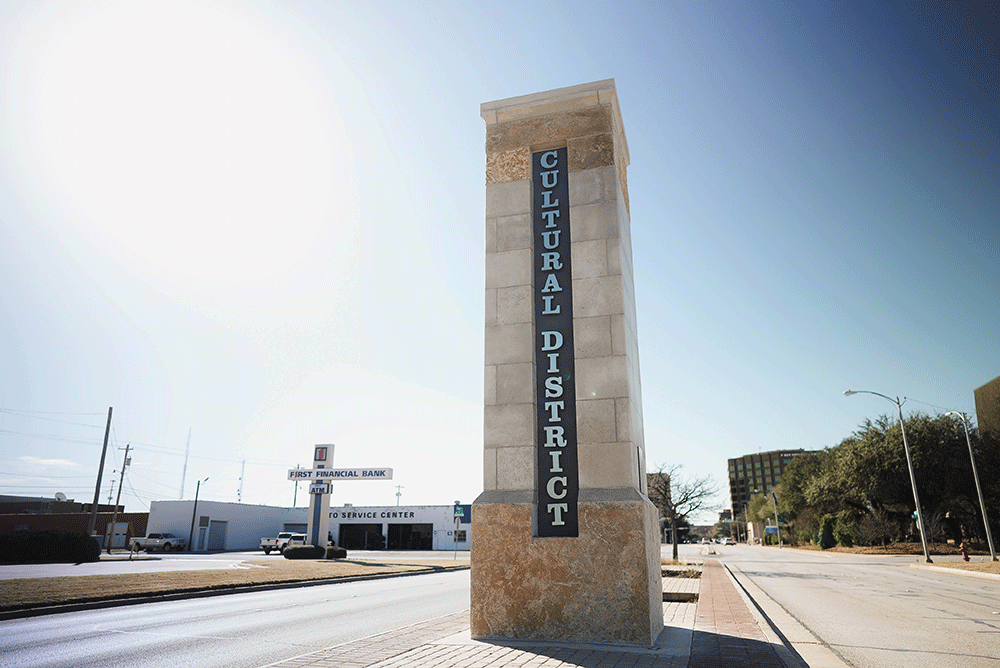
“Our downtown was one of the first five cultural districts designated by the Texas Commission on the Arts because of our vibrant arts scene,” says Lynn Barnett, vice president of the Abilene Cultural Affairs Council. “The cultural district is comprised of museums, galleries, restaurants, shopping and hundreds of cultural events that take place throughout the year.”
Ahead, learn more about the cultural district in downtown Abilene, TX, and what makes this place a true oasis for residents and visitors.
The Literary Life

Ask any local, and they’ll tell you that life here is like what you’ll find in a fairytale, literally. As the Storybook Capital of America, the cultural district in downtown Abilene, TX, is home to the largest collection of storybook sculptures in America, the first museum in the U.S. to exclusively exhibit children’s picture book art and the first to host an annual children’s festival that celebrates storybooks, according to Barnett. There are approximately two dozen storybook sculptures tucked along paths and in gardens across downtown, with plans for a new “Turtle Walk” sculpture coming in 2025.
“Abilene is a city that values art, reading, family and creativity,” Barnett says. And these values extend far beyond the city’s love of early literacy and into its professional and academic music scenes.
Music for All
The Abilene Philharmonic, which is part of the cultural district in downtown Abilene, TX, is entering its 75th season in 2025. This is an accomplishment that Liberty-Grace Bland, executive director of the Abilene Philharmonic, calls “an outstanding milestone that speaks to how Abilene and the surrounding areas value cultural offerings.”
Bland says that the philharmonic has made it this far because of community support.

“We started as a civic orchestra, and we are now a professional symphony. That growth is directly tied to creativity and the vision of where our community is going.”
Bland further shares that the orchestra’s focus on accessibility has enabled much of its growth and support.
“We focus on bringing high-quality musical experiences to Abilene, so our residents don’t have to travel to Dallas-Fort Worth or Austin to hear an outstanding performance,” she says. “The majority of our musicians travel to perform here, so you will see them on stage in major symphony orchestras outside of Abilene.”
In addition to bringing top-tier performers to local stages, the orchestra focuses on fostering partnerships with local businesses and nonprofits to sponsor its ticket outreach program, ensuring that community members from vulnerable populations have access to performances throughout the year.
In a city that values early childhood literacy, music education is also a top priority for the philharmonic, which offers “programs for children from cradle to desk,” Bland says. “We have a baby music program, a string program that starts in the third grade on Sunday afternoons led by music educators in the city, and we have the Abilene Youth Orchestra that allows older students in high school to participate.”
Many kids start in the youngest program available, rising through subsequent ones, according to Bland.
“That’s always exciting to see,” says Bland, who believes that “music transcends all boundaries” and brings people together in ways they might not expect.
Some potential discoveries can be made at the Children’s Art + Literacy Festival in downtown Abilene, TX, during which hundreds of students come through the orchestra’s instrument petting zoo to hear, see and touch instruments and be inspired. Or they might happen at the Abilene Zoo, where the orchestra regularly holds outdoor concerts so young families can bring their children and enjoy beautiful music and the zoo.
“We are getting better together,” Bland says. “Go to one of our performances, and you’ll see all the different generations coming together.”
More Than a City
Community connections keep Abilene at its best.
“We serve as an important hub in rural West Texas, especially in the Big Country, where so many rural communities rely on Abilene for many of their needs,” Bland says. “We’re not just a city, we’re a region, and Abilene is truly rising to the occasion of growing while maintaining its identity.”
The cultural district in downtown Abilene, TX, is a testament to this, serving as a welcoming space where everyone can laugh, learn, explore and connect.
“I’ve lived here for four years, and it has been the best decision I’ve ever made,” Bland says. “You’re never going to meet a stranger, and everyone is eager to help you plug in however you want to get involved.”
This article was sponsored by the Abilene Regional Growth Alliance, a division of the Abilene Chamber of Commerce. The Abilene Chamber is a nonpartisan and nonsectarian organization that advocates for pro-business policies that create jobs and grow the economy.