Why You Should Move to a Small City After College
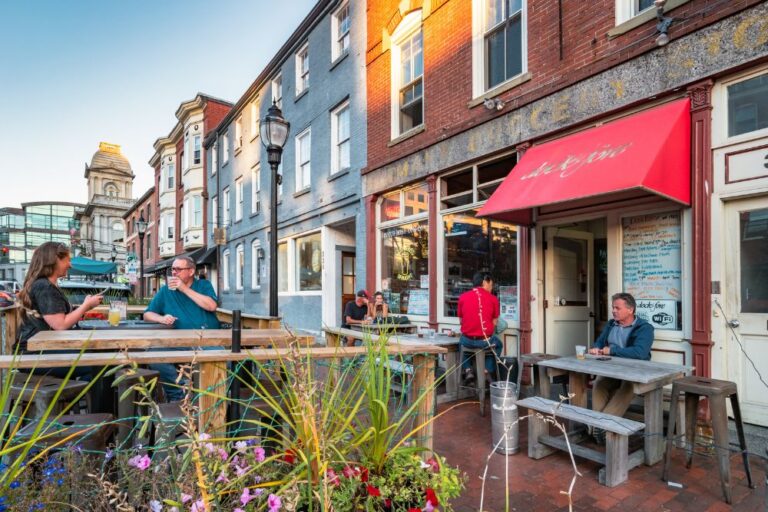
Smaller cities are the new post-grad power move. The traditional plan of heading to the biggest city possible and hoping for the best is officially outdated. As bittersweet as it is to pack up your dorm room and drive away from campus one last time, remember: the world is your oyster.
Why You Should Move to a Small City After College: The Ultimate Post-Grad Launchpad
While massive metropolises may have name recognition, small and mid-sized cities are currently winning the race for tech expansion, economic momentum and social connectivity. They have so much to offer every resident, but they are especially well-suited to new graduates and young professionals. Whether you’re looking for a shorter climb up the corporate ladder, an easier commute, a greater sense of community or all of the above, here are 10 reasons a small city is the ultimate strategic advantage for your post-college life.
1. Economic Acceleration: Finding the Best Places to Live After College for Less Career Competition and More Momentum
Let’s start with one of the big ones. Smaller cities typically offer less competition when it comes to lining up your dream job. This often translates to better job security and a clearer path to the top once you’ve landed the role. But don’t mistake a smaller pond for a slower pace. While big metros have the sheer volume of jobs, smaller cities are currently outperforming the giants in economic momentum.
In fact, the Milken Institute’s 2026 rankings placed the Fayetteville-Springdale-Rogers metro in Arkansas and St. George, UT, as the nation’s absolute top performers for labor market strength and high-tech expansion. St. George’s tech sector, in particular, has exploded by a staggering 106.3% over the last five years. It’s proof that you can find world-class innovation without the big-city congestion.
Professionalism with a Personal Touch
In these communities, networking feels like less of a corporate chore and more like rolling out the welcome mat. Because professional circles are tighter and more accessible, your ability to make a name for yourself and find mentors who actually have the time and personal experience to vouch for you is significantly higher.
Plus, the barrier to entry is continuing to drop. With many smaller cities offering move-in incentives, like Tulsa Remote, the career ladder climb is much more attainable. In a smaller city, you aren’t just filling a seat in a boardroom; you’re a visible part of a growing community.
2. Lower Living Costs and a Healthier Pace of Life
When you land that dream job, you want the energy actually to enjoy it. In major metros, the hidden cost of a high-profile role is often your time. The Time-Cost of Labor is the idea that a $70k salary in a smaller city can actually feel like $100k or more in a major metro. Once you factor in the hourly ‘lifestyle tax’ of commuting and the inflated price of goods, the smaller-city paycheck gives you more bang for your buck.
But it’s not just about the math, it’s about the mindset. Living in a big city with higher expenses and a culture that prizes overworking can mean tough compromises. In a smaller city, you’re a lot less likely to have to decide between making enough money for anything more than just squeaking by and having enough downtime to pursue hobbies or spend time with friends.
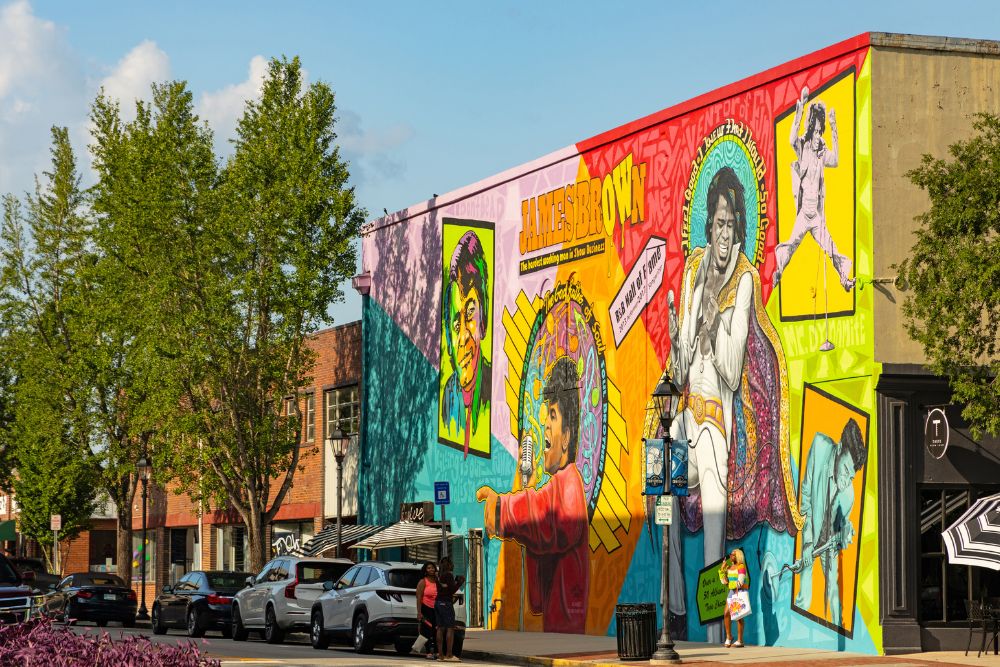
3. The Creative Edge: Finding Space to Create & Innovate
Creative types are flocking to smaller cities and thrive there for a reason: it’s where they can actually afford to create. The cost of specialized creative spaces in major cities comes with a major price tag. While shared creative spaces in NYC or L.A. can cost upwards of $45 to $60 per square foot, smaller hubs like Chattanooga or Iowa City offer comparable professional setups for a fraction of that – around $12 to $ 18 per square foot. This price gap is fueling a massive shift, as cities repurpose old industrial mills into subsidized artist co-ops designed to attract fresh talent.
But it’s not just cheaper square footage that’s luring artists to smaller spots. These tight-knit communities are bustling with creative energy that leads to accidental collaboration across all industries. In places like Santa Fe, the ratio of artists to residents is higher, meaning you’re likely to grab coffee next to a world-class painter or tech founder. When creative circles are tighter, the barriers to big ideas come down.
The Artist’s Effect on Local Economies
Even if you aren’t an artist yourself, you’re a direct beneficiary of their creative energy. According to the 2025 Americans for the Arts report, for every $1 spent on local arts in a small city, more than $38 flows into nearby restaurants, boutiques and transit. Artsy communities naturally prioritize walkability and aesthetics, resulting in vibrant, mural-filled downtowns and the kind of high-end coffee shops that usually only exist in much more expensive zip codes.
4. Housing ROI: More Affordable Rent
Compare your rent in a small (but incredibly cool!) city like Fargo, Olympia or Asheville to the rent your friends in Manhattan are paying (where the average one-bedroom is currently $4,112). While big city rents have finally hit a plateau, the disposable income gap remains staggering. In places like Omaha and St. Louis, the cost of living is 9 to 15% lower than the national average. When your housing is nearly 20% cheaper, your salary stretches further. And the idea of home ownership doesn’t feel so out of reach.
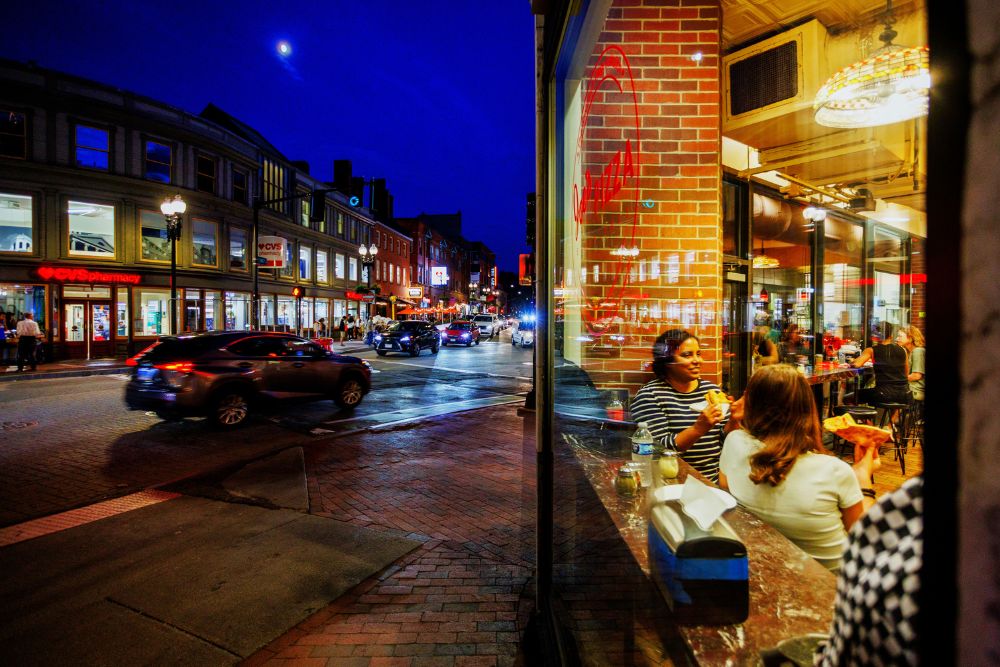
5. Building Social Equity: The Power of “Third Places”
Sometimes you want to go where everybody knows your name.
…And they’re always glad you came!
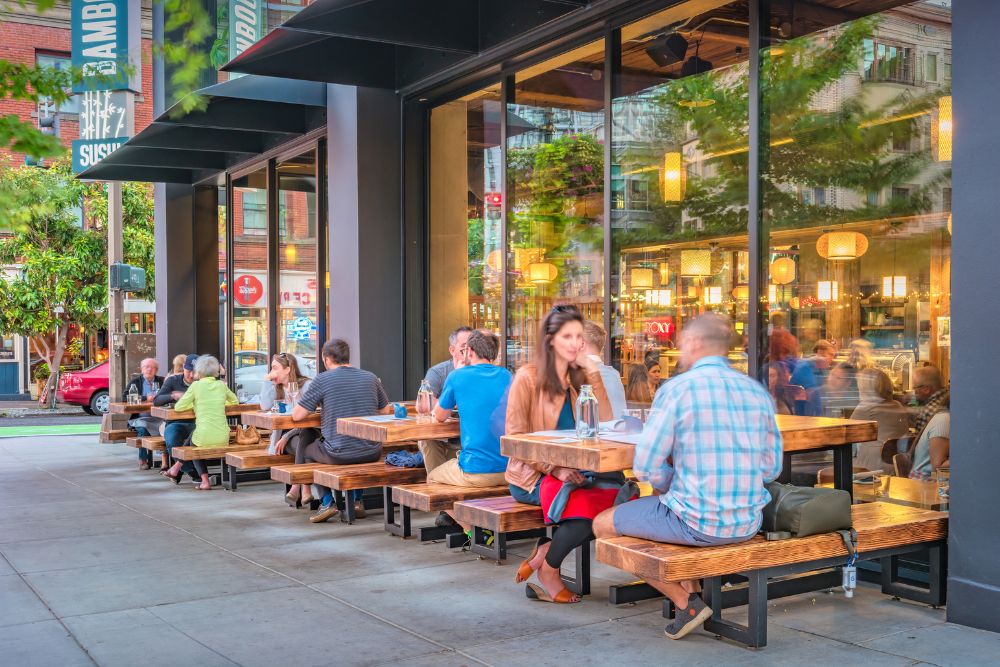
In smaller cities, trade in the crowds for connections. In a major metro, your favorite bar or yoga studio is often a battleground for space. But in a smaller spot, you don’t have to share your favorite bar with a massive wall-to-wall crowd. The same goes for your favorite cafe, yoga studio or hole-in-the-wall dinner spot. Instead, you’ll be greeted by the same few regulars who know your name.
In smaller cities, these third places function differently. Because lower commercial rents allow business owners to prioritize atmosphere over flipping seats, you’ll find spaces designed for conversation and connection. But these benefits are more than just psychological; they are scientifically proven. The Square 2026 Local Economy Report found that “regulars” are the backbone of small-city life and businesses in these communities are highly interconnected. In fact, 32% of regular customers are shared by businesses in the same zip code. By creating these relationships, you aren’t just a seat at the bar or a student in a Pilates class; you’re part of a professional and social ecosystem that values your presence.
6. Community Impact: Taking a Leadership Role Early
In a smaller city, you aren’t just a face in the crowd; you’re an important part of the engine. If you want to make a positive change in your community, your actions have an immediate, visible impact. The same goes for making a name for yourself in a local organization or city government or launching a whole new community group from scratch; the barrier to entry is significantly lower.
Because the pond is smaller, the bureaucracy is thinner. In a smaller city, you can move projects like new bike lanes or public art programs from idea to execution in just 12 to 18 months. In these tight-knit communities, you’re often on a first-name basis with the decision-makers, or at the very least have easier access to them.
7. Smaller Clubs & Groups Forge Bigger Connections
If you want to explore a hobby (a great way to find new friends after college), you’ll benefit from the intimacy of smaller gatherings. Whether your jam is a book club, a local sport or a church community, less crowded meetups will help you make connections faster and dive deeper into what you care about.
The math of making friends is surprisingly consistent, no matter where you live: research shows it takes about 200 hours of interaction to develop a close friendship. In smaller cities, you benefit from a higher frequency of forced familiarity, which is the likelihood you’ll see the same people at your favorite coffee shops, your Tuesday run clubs and weekly trivia nights. Because you’ll spend less time commuting and more time actually hanging out, you’ll hit that 200-hour mark much faster.
(Psst, if you want to know how to make friends in a new city, check out the Moving Diaries!)
8. Hidden Gems Beat Chain Stores
As major metros become increasingly homogenized by chains and adopt a concrete jungle aesthetic, smaller cities are doubling down on their ‘weirdness.’ Quirky local joints, bizarre community traditions and hidden gems are the hallmarks of small cities. Hyperlocalism is what gives smaller cities their unique character and actual passion projects – like a steampunk teahouse or a perfectly tucked-away dive bar – that offer an authenticity you can’t find anywhere else.
These cities also foster closeness among residents by rallying everyone around their weird community traditions, which act as the ultimate social glue. Whether it’s racing across floating lobster crates in Rockland, ME, or coffin racing at Frozen Dead Guy Days in Colorado (yes, really!), these off-beat festivals are more than just a little fun – they create social cohesion that helps you feel like a ‘local’ much faster.
The best hidden gems aren’t found via a Google search or on Instagram; they are shared through conversation with local experts, like a long-time bartender or farmers’ market coordinator. Many up-and-coming hubs even offer “Experience Passports” to help new residents track their discoveries. Looking to feel connected? Get started by making a bucket list for your new city.
9. Social Stability: Finding Friends Who Actually Stick Around
Large cities have high turnover and are often treated as launchpads where people move in for a specific job or life stage. Transplants often stay for just a short time before moving on to another metropolis, and those who stay are at risk of becoming jaded beyond their years. This high turnover can make your social circle feel like a revolving door. In recent years, migration data has shown that newcomers are moving for long-term lifestyle reasons and want to really settle down in a community and make it home. This means your new friends are more likely to stick around and remain your neighbors over the next five years, giving you the chance to build a tight-knit, enduring community.
Making friends after college can be challenging. Living in a small city makes it easier. Smaller, close-knit communities are the antidote to the urban paradox, in which people in bigger cities report higher levels of loneliness. In a small city, your social circles collide more naturally. And, because the cost of living is more stable in these hubs, your peer group isn’t constantly one lease renewal away from being forced to a cheaper state. You get to skip the big-city burnout and move straight into building a reliable, tight-knit circle.
10. Reclaiming Your Time: The Zen of a Small City Commute
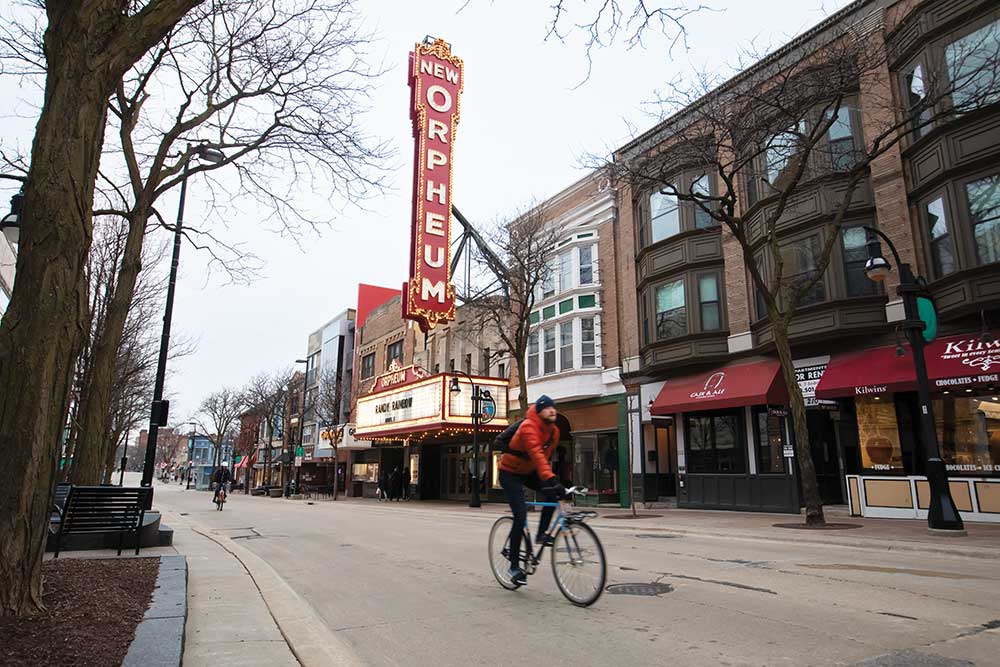
Cheers to less crowded public transit, shorter drives and more peaceful biking and walking paths so you can spend less time in your car and more time doing the things you love. Need we say more?
In major metros, the “time tax” is a hidden cost that few people actually calculate before signing a lease. Commuters in places like NYC and D.C. average 31 to 41 minutes each way. This means you could easily spend nearly seven hours a week just sitting in traffic or on a subway.
In smaller spots like Lincoln, NE, or Rochester, MN, average commute times hold steady at just 15 to 19 minutes. That’s roughly 200 hours of reclaimed time every single year. And in smaller hubs, infrastructure is often designed to be functional and sustainable. Rochester, for example, has prioritized walkable corridors that connect residential areas to major employers. Moving isn’t just about a shorter drive; it’s about reclaiming your life for the things – and the people – you love. Need we say more?
Ready to find your launchpad? Now that you know why a small city is a post-grad power move, find out which one is right for you. We crunched the data on affordability, opportunity and quality of life to bring you this year’s Top 100 Best Places to Live in America.
Explore the List