
Families Fall In Love With Life On The Palouse
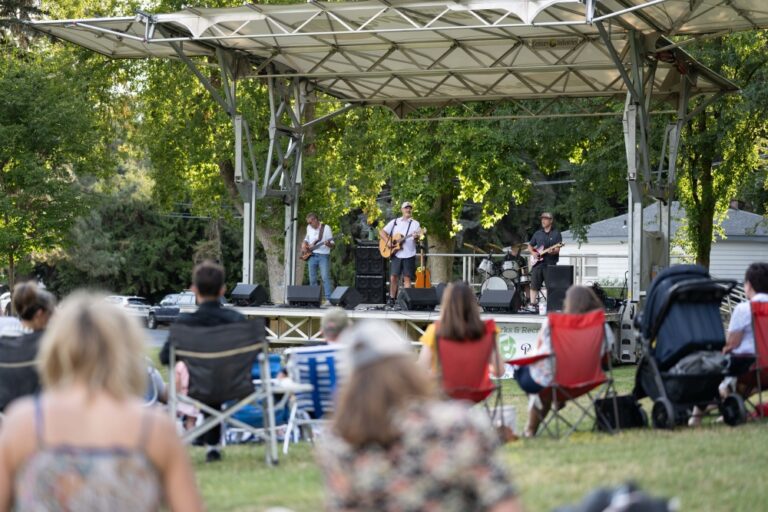
With stunning landscapes, an affordable cost of living, and tons of things to see and do, it’s no wonder that so many families have chosen life on the Palouse.
Ahead, local parents share why the region that includes Moscow, Idaho, and Pullman, Washington, is the perfect place to work and raise a family. Learn all about what this inviting Northwest region offers.
Kelsey Manning
“Moscow truly has captured our hearts and our family.”
Kelsey Manning and her husband, J.T., didn’t have plans to stay in Moscow after college, but as the years passed and they started a family, they fell in love with the area.
“We have built quite a community here in our almost 20 years on the Palouse,” says Kelsey, who works for the City of Moscow and is a graduate of the University of Washington in nearby Pullman. “There are big-town opportunities, like college sporting events, concerts, theater and vibrant downtown events, but also a small-town feel where every time we go to the grocery store or out for dinner, we can’t help but see friends.”
A tight-knit community isn’t the only reason they’ve decided to call the region home. The highly rated Moscow School District, abundant community resources and a relatively low cost of living have also played a significant role.
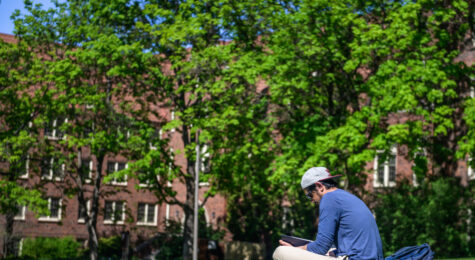
Manning says that the city, along with local businesses and universities, provides generous academic and recreational opportunities for children and adults. And with an average home value hovering around $461,000, Manning says her family has enjoyed a financial advantage that has allowed them to engage in family vacations and to save for their futures.
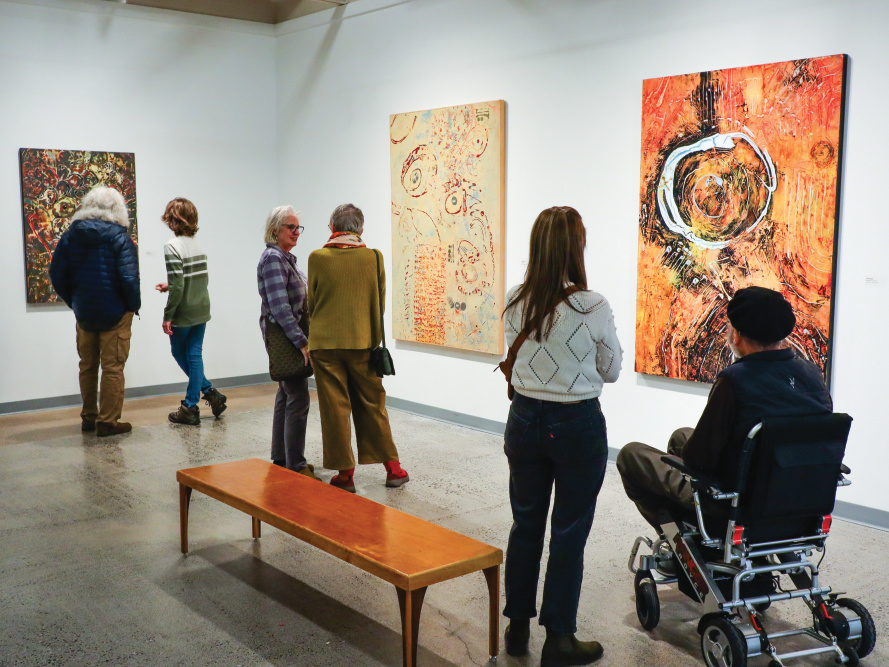
When it comes to spending free time together, Manning says the options are plenty. These include nearby nature outings, like the 63-acre arboretum and botanical garden at the University of Idaho, the Moscow Contemporary art gallery and a diverse food scene that reflects the region’s growing Asian and Hispanic populations.
“We never lack for good food. Whether it is the artisan farm-totable restaurants or the craft food scene, Moscow and Pullman truly have a high-caliber selection,” Manning says.
She adds that the Moscow Farmers Market, voted the top farmers market in the Pacific Northwest in 2025 in the American Farmland Trust’s America’s Farmers Market Celebration, has become their main weekend activity when in season, and a place to see friends and buy local goods.
D.J. Mackie
“There is a vibrant, active community, which is a great place to raise a family.”
As the recreation supervisor of Pullman Parks and Recreation, D.J. Mackie knows firsthand that the opportunities for families to participate in activities outside of school and work are vast. He says this makes it possible for people to participate in several at a time, including his school-age children, who have greatly benefited from the department’s programming.
And his wife, Julie, works with the department that oversees Washington State University’s Summer Sessions, a program that supports and allows students to make progress toward their degree over summer break.
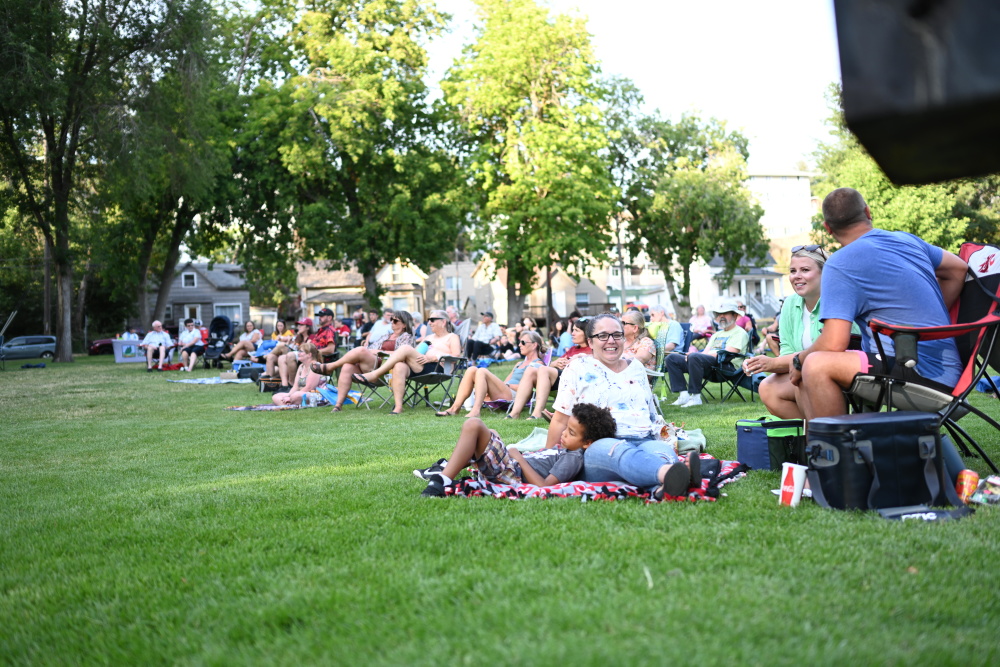
Pullman also boasts an abundance of nature, namely its picturesque rolling hills that change colors with each season. One of the best ways to take in the seemingly surreal landscape is to walk or bike along the Bill Chipman Palouse Trail, an 8-mile paved pathway nestled between lush hills that runs between Pullman and Moscow, or by taking advantage of the free nature center, preserve and activities offered by the PalouseClearwater Environmental Institute. To stay active during the colder months, there’s always a good time to be had at the Palouse Ice Rink and at Flying Squirrel, an indoor trampoline park.
Like the Mannings, the Mackies also enjoy tasting their way through the area’s bountiful selection of eateries. Scusi!, South Fork and Paradise Creek Brewery are among their favorites.
“And the kids love going to the Neill Public Library and snagging some ice cream at Neill’s Coffee and Ice Cream after,” Mackie says.
As for affordability, the average Pullman home value is around $414,000. Mackie says that the lower cost of housing, coupled with the reasonable cost of services for things like youth sports, and the healthy job market, has made it possible for his family to enjoy a high quality of life. “There are many job opportunities at Washington State University, Schweitzer Engineering Laboratories, the city, among other businesses, providing opportunities for career growth without having to leave,” Mackie says.
Get to Know the Palouse
Want to learn more about living and working in the Palouse region of Idaho and Washington? Check out the latest edition of Livability On the Palouse.
Carving Out Tradition: Where Youth and Culture Connect
In Lapwai, Idaho, the Nimiipuu Canoe Project is bringing back canoe carving while creating a hands-on space for youth to learn, create and connect with elders. The project grew out of conversations among tribal members after the Free the Snake Flotilla, an annual river gathering focused on issues affecting the Snake River.
“There were a lot of tribal canoe families that came down there,” says Julian Matthews, a member of the Nimiipuu tribe, a federally recognized sovereign nation. “We didn’t have one, so we started talking about having a canoe of our own.”
From there, the group worked with the tribe to secure a log and began carving what Matthews described as “the first one on the reservation in 110 years.” Rather than completing it quickly, the process was intentionally shaped around youth involvement.
“We wanted the kids to learn how to do it,” Matthews says. “We had them come there every Wednesday, and they learned how to use all the different types of woodcraft that you need to carve a canoe. That’s why it took a year.”
That weekly rhythm continues today through paddle carving and arts programming.
“It’s really interesting to see how much the kids really like the paddle carving,” Matthews says. “We have 25 to 30 doing it every session.”
For Matthews, the most meaningful part is watching young people show up week after week. “They come here, and they really like it,” he says. “It’s outdoors, and they’re learning a craft like canoe carving and paddle carving that I didn’t learn when I was little.”
Through shared work and time outside, the Nimiipuu Canoe Project continues to strengthen cultural knowledge, one carving session at a time.
– Kathleen Hokit