
How the Pullman-Moscow Airport Benefits Both Communities
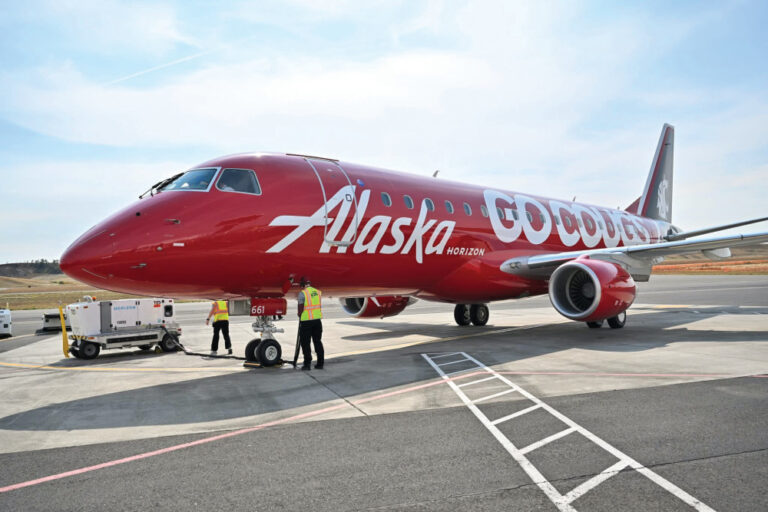
Pullman-Moscow Regional Airport (PUW) stands as a vital link for the Palouse region, fueling the growth of two major universities and connecting residents to the wider world.
Far more than a simple transit point, the airport serves as a model of interstate cooperation, recently debuting a massive $92 million terminal to accommodate a surging number of travelers. As local health care and education sectors expand, PUW remains the central hub that makes this thriving region accessible to students, professionals and visitors.
In This Article
Hub for Higher Education
Centrally located between its namesake cities, PUW sits roughly 5 miles east of Pullman and 4 miles west of Moscow. The airport functions as the primary transportation hub for the region’s two major institutions: Washington State University (WSU) and the University of Idaho (U of I).
Throughout the year, both universities rely on the airport to transport athletic teams to sporting events, while administrators and professors use PUW for research functions and high-level meetings. To meet these specific needs, the universities frequently use charter jets based directly at the facility.
Unique Partnership Drives the Airport’s Success
Both communities work well together to advance the airport, including the presiding Pullman mayor, who always serves as the airport’s chairman, and the Moscow mayor who always serves as vice chair, says Glenn Johnson, former five-term Pullman mayor and current member of the airport’s technical advisory committee.
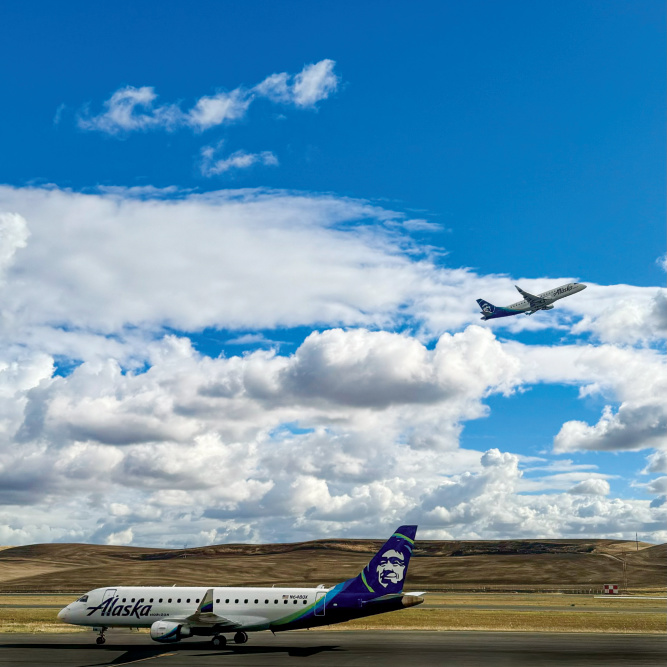
In addition to serving university needs, PUW hosts nonstop commercial flights to Seattle and Boise via Horizon Air, a subsidiary of Alaska Airlines.
The facility features a 7,101-foot runway capable of handling commercial airliners, corporate jets and private planes, supporting more than 120,000 takeoffs and landings annually.
Expanded Services and Infrastructure
The airport recently underwent a major transformation with the completion of a new 47,000-square foot terminal.
This new facility significantly dwarfs the former 8,800-square-foot building and includes dedicated spaces for university charter flights.
“The terminal is also equipped with jetways so that commercial passengers never have to go outside when boarding or deboarding planes, which isn’t always the case in many other cities,” Johnson says. “The terminal is beautiful and was constructed without incurring any debt, and it gives a great first impression when welcoming passengers to this area.”
The airport’s leadership also holds national influence through representation in several major organizations.
Throughout 2026, PUW Executive Director Tony Bean is serving as president of the Northwest Chapter of the American Association of Airport Executives (AAAE), the world’s largest professional organization for aviation personnel.
Larger Ecosystem
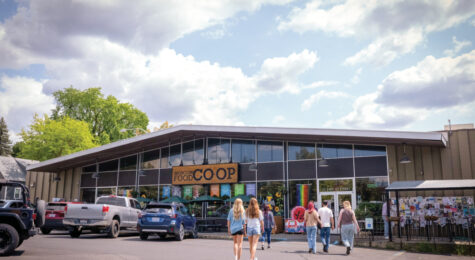
Johnson notes that while the airport is a critical asset, it is part of a larger ecosystem that defines the Palouse’s high quality of life.
Strong educational options, such as U of I and WSU, also include Spokane Falls Community College. Notably, many local high schoolers earn associate degrees from the community college before they even graduate high school.
In addition to standout education options, the region’s other assets include top-flight health care, technology parks to attract new companies and a wealth of indoor and outdoor recreation options.
Pullman Regional Hospital is currently undergoing a $41 million multiphase expansion project that is taking place throughout 2026 and into 2027.
Meanwhile, Gritman Medical Center in Moscow has recently expanded several facilities to increase its robotic-assisted surgical capacity as well as add specialization programs such as neurology and a pain clinic.
High-quality business parks are helping to attract new companies to the region.
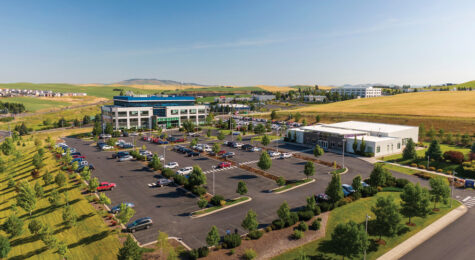
Moscow is home to Alturas Technology Park, designed to attract innovative companies, while Pullman is home to the WSU Research & Technology Park, located near the campus.
Whitman County oversees Pullman Industrial Park, which looks to draw advanced manufacturing and other light industrial companies.
Johnson adds that the Palouse region has other attractive qualities that include easy commutes and lack of congestion, top hunting and fishing destinations, and a breathtaking rolling hills topography that invites a quiet rural lifestyle.
“The entire Palouse region has so many good things for people of all ages,” he says.
Get to Know the Palouse
Want to learn more about living and working in the Palouse region of Idaho and Washington? Check out the latest edition of Livability On the Palouse.