

Best Columbia, TN Neighborhoods
Thinking of moving to Columbia, Tennessee? This growing city in Maury County offers a range of neighborhoods shaped by historic character, steady residential expansion, and increasing connectivity to the greater Nashville region. Whether you are looking for proximity to downtown, larger properties with more space, or convenient access to commuting routes, this guide covers everything you need to know to choose the right neighborhood with confidence.
Columbia strikes a balance between small-town identity and continued growth. Residents move easily between quiet residential streets, the activity of the downtown square, and outdoor spaces along the Duck River. Each neighborhood offers a slightly different version of that experience, making location an important part of daily life.
As Columbia continues to expand, its neighborhoods reflect both its history and its future. Understanding how each area functions is the first step in finding the right fit.
Best Neighborhoods in Columbia: Editor’s Picks
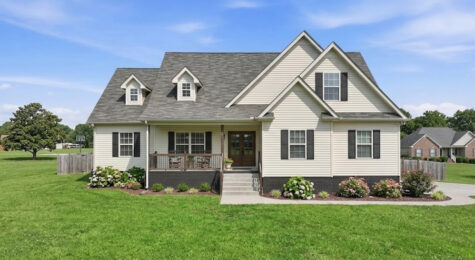
West Columbia Hills, Columbia, TN: Established. Elevated. Residential.
West Columbia Hills is an established, elevated neighborhood west of downtown Columbia, defined by hillside streets, mature landscaping, and quick downtown access.
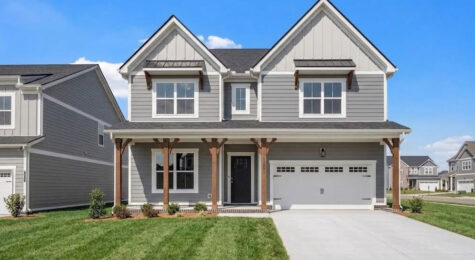
Rutherford, Columbia, TN: New. Connected. Residential.
A new-construction Regent Homes community off Trotwood Avenue, across from J.E. Woodard Elementary, with sidewalks, a tot lot, and easy access to downtown Columbia.
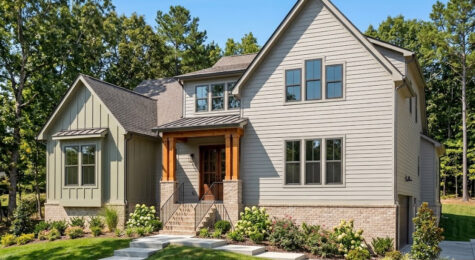
Heritage Green, Columbia, TN: New. Varied. Connected.
A new multi-builder community off Baker Road near U.S. 31, within walking distance of E.A. Cox Middle School, with home collections at several sizes and price points.
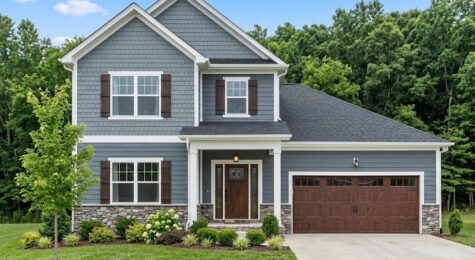
Valley West, Columbia, TN: Established. Compact. Convenient.
An established early-1990s subdivision west of Trotwood Avenue, next to Maury County Park, offering moderately sized detached homes close to central Columbia.
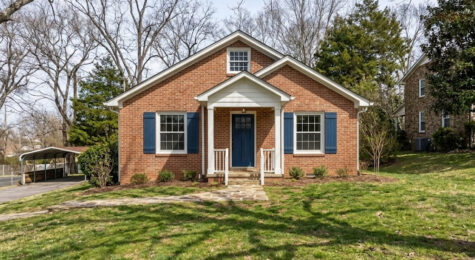
Pleasant Hills, Columbia, TN: Established. Residential. Accessible.
Pleasant Hills is an established, accessible neighborhood on Columbia’s east side, with consistent mid-century homes and a short drive to downtown.
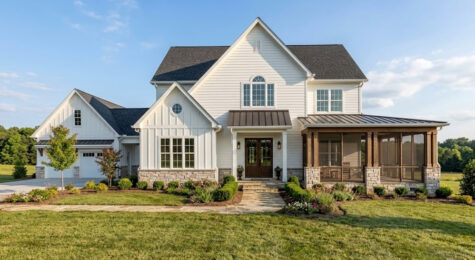
Zion, Columbia, TN: Rural-Residential. Expansive. Connected.
Zion is a lower-density, rural-residential area east of downtown Columbia, offering larger lots and more space while staying within a short drive of the city.
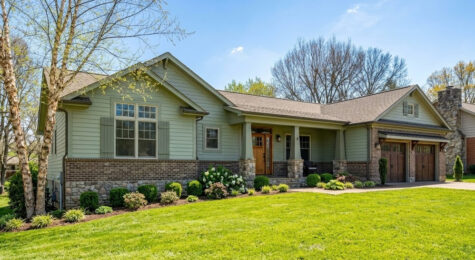
Chantay Acres, Columbia, TN: Established. Affordable. Residential.
Chantay Acres is an established, affordable neighborhood just west of downtown Columbia, with mid-century single-family homes and convenient access to the square.
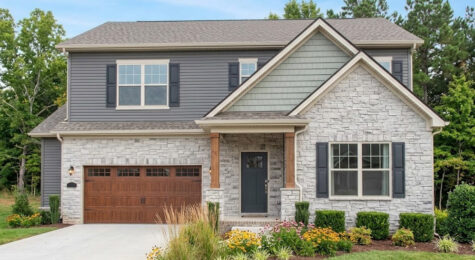
Homestead at Carter’s Station, Columbia, TN: Newer. Residential. Convenient.
A newer Centex-built community in northern Columbia near the Spring Hill line, now a settled resale neighborhood within the larger Carter’s Station growth area.
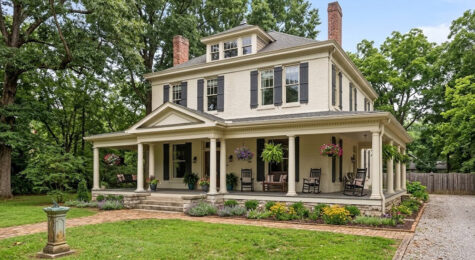
West End, Columbia, TN: Historic. Central. Character-Rich.
West End is a historic, walkable neighborhood immediately west of downtown Columbia, known for early-20th-century homes and proximity to the square.
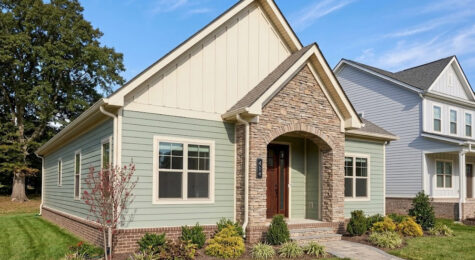
Belaire, Columbia, TN: Established. Residential. Convenient.
Belaire is an established, conveniently located neighborhood on Columbia’s east side, with mid-century homes near Hatcher Lane and Trotwood Avenue.
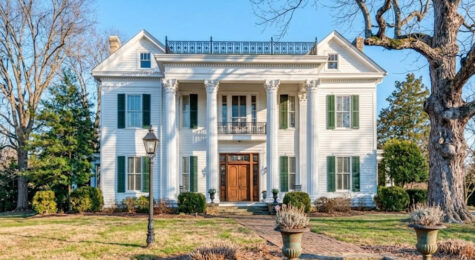
Downtown Historic District, Columbia, TN: Historic. Walkable. Vibrant.
Columbia’s walkable historic core around the Maury County Courthouse and Public Square, where historic lofts and apartments mix with shops, dining, and live music.
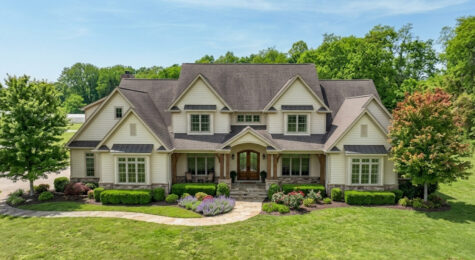
Williamsport Pike Area, Columbia, TN: Rural-Residential. Expansive. Connected.
The Williamsport Pike area is a rural-residential corridor southwest of downtown Columbia, offering larger parcels and open space within reach of the city.
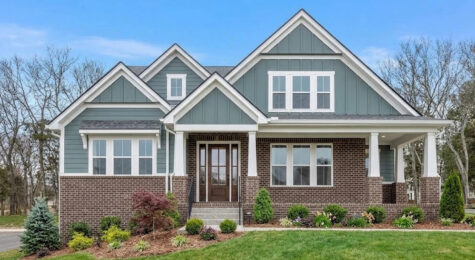
Bear Creek Overlook, Columbia, TN: New. Spacious. Amenity-Rich.
A new Drees Homes community on the Bear Creek Pike corridor with a pool, clubhouse, and playground, and larger contemporary homes on Columbia’s northeastern edge.
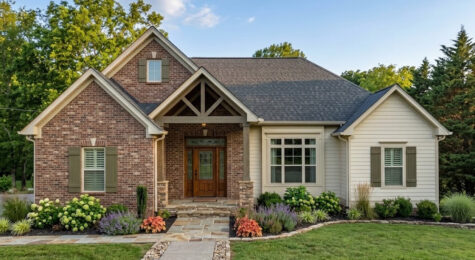
Highland Park, Columbia, TN: Established. Central. Accessible.
Highland Park is a centrally located, mid-century neighborhood just north of downtown Columbia, known for established homes, mature trees, and quick access to the square.
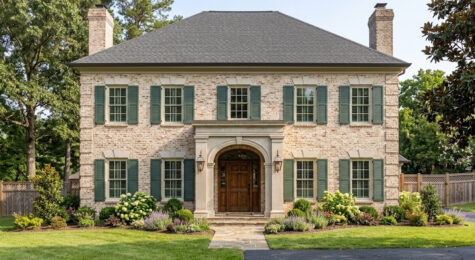
Graymere, Columbia, TN: Established. Spacious. Distinctive.
An established southwest-Columbia area of mature trees and larger lots, anchored by the 1924 Graymere Country Club and its 18-hole golf course.
Columbia Neighborhoods Map
Why You’ll Love Living in Columbia Neighborhoods
This balance between convenience and pace is one of Columbia’s defining strengths. Neighborhoods offer a quieter residential setting while remaining closely connected to the city’s core and surrounding region.

Columbia’s neighborhoods offer a combination of accessibility, space, and local character that is increasingly difficult to find in nearby markets. Many areas are located within a short drive of the downtown square, where residents regularly spend time at locally owned businesses such as Muletown Coffee Roasters, Puckett’s Grocery & Restaurant, and Duck River Books.
The city’s layout allows for an efficient daily routine. Residents can move from residential areas to parks, schools, and commercial corridors within minutes, without the congestion found in larger metro areas. At the same time, proximity to Spring Hill and Franklin provides access to major employment centers.
This balance between convenience and pace is one of Columbia’s defining strengths. Neighborhoods offer a quieter residential setting while remaining closely connected to the city’s core and surrounding region.
About Columbia’s Neighborhood Tapestry
Columbia’s neighborhoods reflect a mix of historic development and newer residential growth. Areas near downtown feature older homes, established streets, and a stronger connection to the city’s original layout. These neighborhoods often include mature trees, smaller blocks, and a more walkable structure.
Farther from downtown, development shifts toward mid-century neighborhoods and areas with larger lots. These communities typically offer more spacing between homes and a quieter residential environment. In outer areas, lower-density development creates opportunities for larger properties and more flexible land use.
Major corridors such as James Campbell Boulevard, Trotwood Avenue, and Hampshire Pike influence how residents move between neighborhoods, shaping both accessibility and daily routines.
Where to Live in Columbia
Columbia offers a range of neighborhoods, each with its own layout, housing style, and level of proximity to downtown and major routes. Some areas are centered around historic homes and established streets, while others prioritize space, newer construction, or easier access to commuting corridors.
Many neighborhoods are located within a short drive of Riverwalk Park, Woodland Park, and downtown Columbia, allowing residents to integrate outdoor recreation and local businesses into their daily routines. The housing stock is primarily single-family homes, with variation in age, size, and lot configuration depending on location.
This variety allows buyers to prioritize what matters most, whether that is character, convenience, or space.
Nearby Cities & Regional Access
Columbia’s location places it within close reach of several major employment and activity centers. Spring Hill, located just to the north, provides significant job opportunities, including manufacturing and corporate facilities. Franklin is approximately 30 to 35 minutes away and offers additional dining, retail, and business districts. Nashville, about 45 to 60 minutes north, expands access to major employers, entertainment, and cultural institutions.
This regional connectivity allows Columbia residents to maintain a local lifestyle while remaining connected to larger economic hubs.
Everyday Life in Columbia Neighborhoods
Daily life in Columbia is shaped by a combination of residential comfort and access to local amenities. Mornings often begin with neighborhood walks or time at Riverwalk Park, followed by coffee or errands near the downtown square.
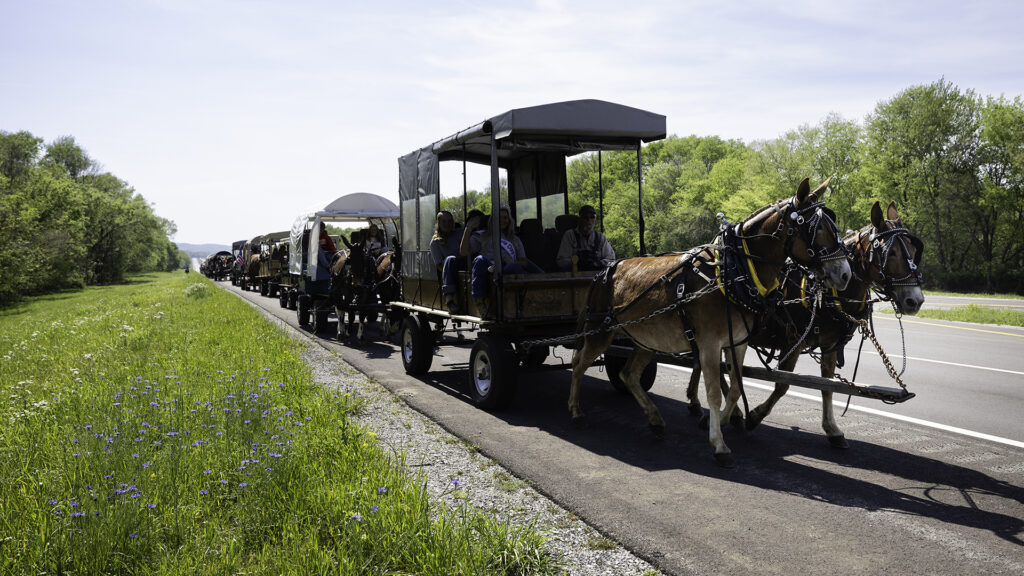
Weekends typically center around outdoor recreation, dining, and community events. Residents move between parks such as Woodland Park and Chickasaw Trace, local restaurants, and seasonal events like Mule Day and First Fridays.
The city’s size allows for routines that feel both efficient and connected, without requiring long travel times between activities.
What Brings People to Columbia
Columbia continues to attract residents who are looking for a balance between affordability and access to larger regional job markets. Housing costs are generally lower than in Franklin and Nashville, allowing buyers to find more space or established homes at a more accessible price point.
The city’s proximity to Spring Hill and the broader Middle Tennessee region makes commuting manageable while still maintaining a distinct separation from larger metro congestion. At the same time, Columbia’s downtown, local businesses, and outdoor access create a lifestyle that feels rooted and community-oriented.
Choosing the Right Neighborhood
Choosing the right neighborhood in Columbia depends on how you want your daily routine to function. Areas closer to downtown offer quicker access to restaurants, events, and walkable streets, while neighborhoods farther out provide more space and a quieter environment.
Home style, lot size, and proximity to major routes all vary across the city. Some neighborhoods emphasize historic character and established layouts, while others offer flexibility and room for expansion. Access to parks, schools, and commuting routes also plays a key role in determining the right fit.
Understanding these differences allows you to select a neighborhood that aligns with both your lifestyle and long-term goals.
Frequently Asked Questions About Columbia Neighborhoods
Highland Park, Chantay Acres, and Pleasant Hills are among the most recognized neighborhoods, offering a mix of historic and established residential environments.
Highland Park and Belaire provide some of the most direct access to downtown and the Columbia square.
Zion and areas along Williamsport Pike offer larger properties and lower-density living.
Columbia offers a combination of affordability, local character, and access to larger regional job markets, making it an appealing place to live.
Columbia is typically a 45 to 60 minute drive from downtown Nashville, depending on traffic.
Note on imagery: Images marked “AI Generated” are visuals to illustrate the neighborhood homes, atmosphere and architectural style. To protect homeowner privacy, these images are artistic representations and do not depict specific existing properties.

Have Questions About Moving to the Area?
Whether you're relocating soon or just starting to plan, drop your question here. Our internal team reads every submission and will follow up with our top local insights to help you get the real answers you need.