

Williamson County Schools Prepares Students for Takeoff
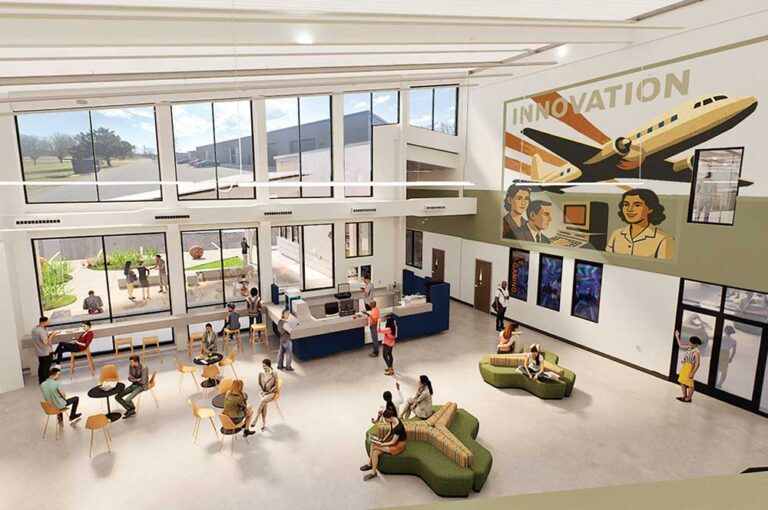
Williamson County Schools (WCS) plays a pivotal role in the region’s workforce development efforts by strategically aligning its educational programs with the evolving needs of local industries. Through initiatives, such as the newly opened Innovation Hub, WCS is actively bridging the gap between education and employment, ensuring students acquire the skills and knowledge necessary to thrive in today’s competitive job market.
The Innovation Hub: Programs for High-Demand Careers
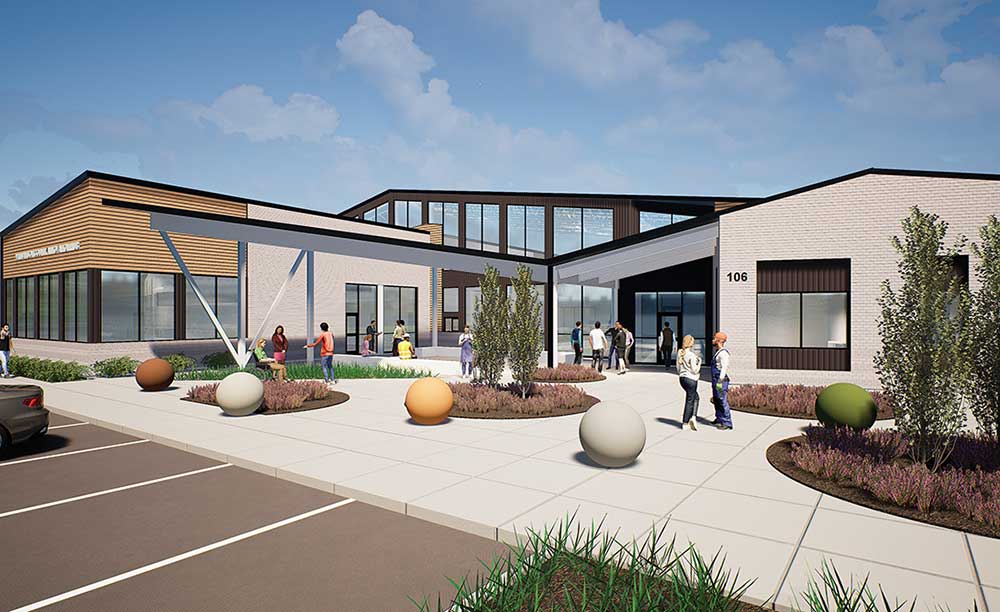
The Innovation Hub, which opened in 2025 in a new building near Franklin High School, was born out of the Innovative School Models grant that Tennessee Gov. Bill Lee wrote into his budget. The governor and the Tennessee General Assembly made a historic $500 million investment in school districts across Tennessee to increase career readiness and prepare students for success after high school.
“One of our goals in preparing students for life after WCS is to increase awareness and enrollment in college, career and technical education (CCTE) programs and adjust our offerings to align with relevant job trends and connect them to college and technical pathways,” says Jason Golden, superintendent of Williamson County Schools.
The new hub houses the school district’s CCTE programs, including aviation, hospitality and tourism, fire management services, cybersecurity and artificial intelligence, and large diesel repair. It serves all 10 of the district’s high schools. The programs offered reflect growing workforce needs across the county and region.
“We looked at job data and other statistical and demographic information, and we identified those best opportunities for our graduates in the job market here in Williamson County as well as across Middle Tennessee,” Golden says. “As a result, we decided to open the Innovation Hub, offering specific programs that will give our students those opportunities.”
Lofty Achievements: The Aviation Program Success Story
WCS worked with higher education and industry partners, including Thompson Caterpillar and Hawkins Flight Academy, to design and implement the programs. Hawkins Flight Academy, for example, provides flight training resources and expertise as well as an instructor for the aviation program.
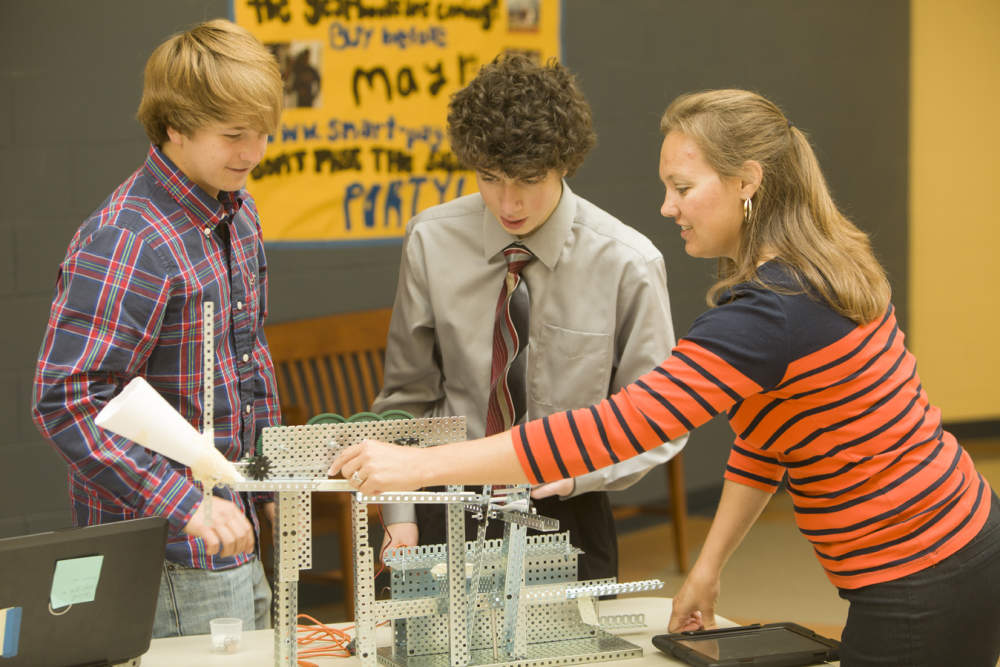
Students learn on flight simulators and can log flight hours toward their Federal Aviation Administration flight training requirements.
“When they are ready to move beyond flight simulators and take to the sky, WCS students will have the opportunity for non-university accelerated flight training programs in our modern, technically advanced airplanes based at the Shelbyville Municipal Airport,” says Mike Harris, CEO and co-founder of Hawkins Flight Academy. “We focus on preparing student pilots for professional pilot careers. We currently have several high school students who have completed their private pilot licenses and are already working on more advanced ratings and pilot certificates.” Harris says graduates of the aviation program will have a decided advantage in the job market.
“By starting down a pro pilot career path in high school at the WCS Innovation Hub and pursuing accelerated flight training with Hawkins Flight Academy, a student can be on track to flying for the airlines at 21 years old, making an annual salary of $100,000 or more,” Harris says. “This gets them an early start down the career path to making more than $500,000 per year as a senior captain in the airlines.”
Industry Alignment: Building Multiple Career Pathways
Kris Schneider, assistant director of college, career, and technical education for Williamson County Schools, says the Innovation Hub is thoughtfully designed to give students multiple choices as they embark on their college and career paths.
“Having active industry engagement and community involvement is going to be key in students developing relationships with companies and professionals that they can hopefully call colleagues someday.”
Kris Schneider, Williamson County School
“The programs are built with exit ramps for students to graduate high school and either enter the workforce directly, attend a two-year university or attend a four-year university,” Schneider says.
“About 84% of our students go straight to college, but for that 16% who don’t, these programs give them a leg up on gett ing a job right out of high school.”
“The goal would be for students to stay local and join Williamson County’s workforce,” she says. “Having active industry engagement and community involvement is going to be key in students developing relationships with companies and professionals that they can hopefully call colleagues someday.”
Get to Know Williamson County
Want to learn more about living and working in Williamson County, TN? Check out the latest edition of Livability Williamson County, Tennessee.