
Coastal Bend Workforce Development Builds a Talent Pipeline
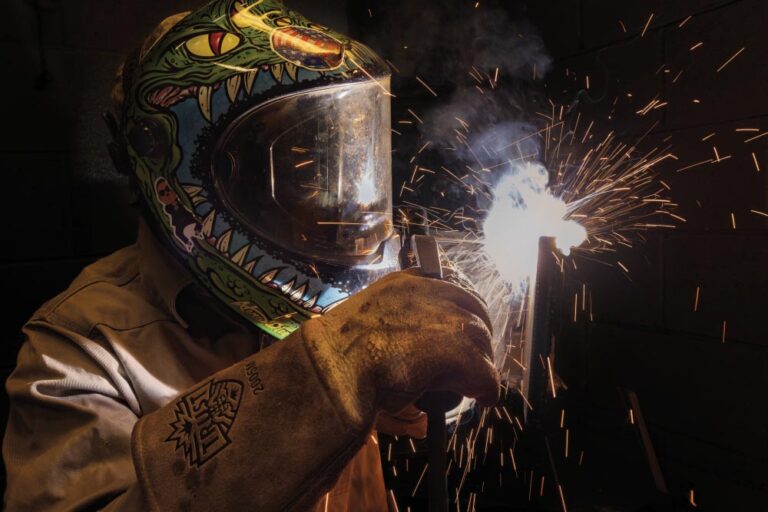
In the Coastal Bend region, workforce development isn’t confined to a classroom or a training lab. It’s woven into the very identity of the colleges and universities preparing students for the realities of a fast-changing economy.
Together, these schools are creating a talent pipeline built around real-world experience, close industry partnerships and skills regional employers are actively seeking.
Minding the Gap
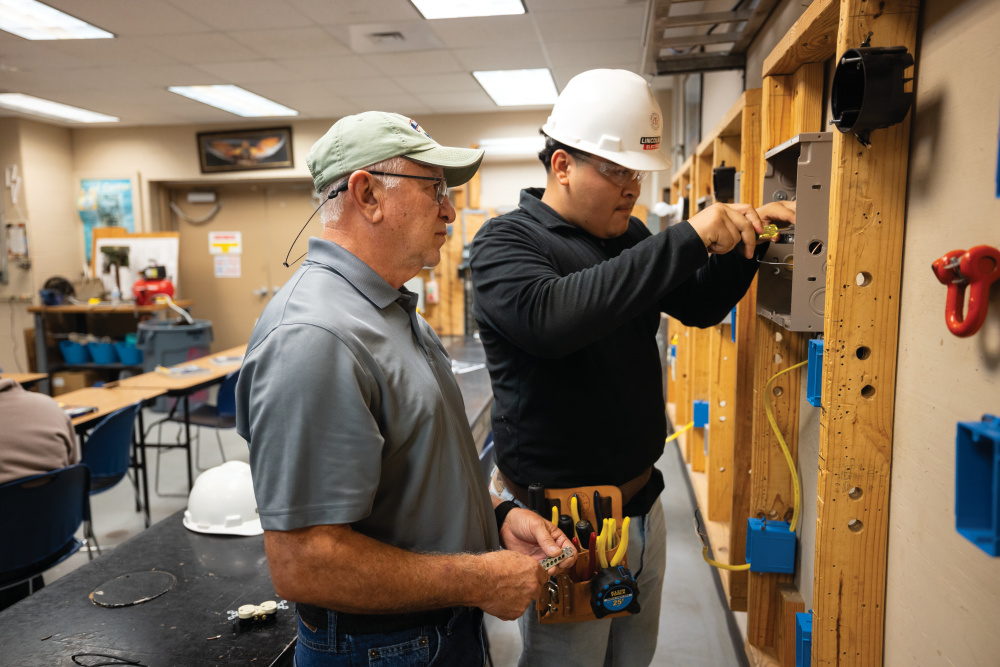
One of the most pressing issues facing Coastal Bend employers is the lack of essential skills among job applicants. The Craft Training Center of the Coastal Bend, a nonprofit vocational training institution that prioritizes both affordability and real-world readiness, is working to bridge that skills gap. The center offers training programs – ranging in length from 15 weeks to two years – for both high-school and college students and working adults.
“Our motto has always been ‘building tomorrow’s workforce today.’ We’re often the first stop for new businesses, contractors or refinery groups coming into the area because they want a workforce ready to meet their needs,” says Patrick Wayne Kelly, Craft Training Center president. “Our model is designed to deliver by teaching eight different trades that align with the most in-demand, high-need and high-paying job opportunities in the region.”
The flexibility of the center’s programs allows students to work while they study. While they may not always be on a fast track, Kelly says, programs are efficient and focused on equipping students with the credentials most sought after by local refineries and chemical plants.
Another player with a crucial role in addressing the workforce demands of the region is the South Texas Vocational Technical Institute (STVT). With career-focused training programs tailored to meet the needs of local employers, the Corpus Christi campus offers hands-on education in fields, including automotive technology, welding, healthcare and dental assisting.
Tech-Driven Talent
Texas A&M University-Corpus Christi has positioned itself as a cornerstone institution for workforce development in the region, combining innovative educational approaches with deep industry partnerships to prepare students for in-demand careers.
The university serves as a core driver of regional workforce development through partnerships with local industries, responsive curricula and a commitment to lifelong learning.
“We are transitioning from a ‘just-in-case’ education model to a ‘just-in-time’ approach, offering stackable micro-credentials and targeted professional certificates to meet immediate industry needs,” says Chau Hoang, director of the Career and Professional Development Center at TAMU-Corpus Christi.
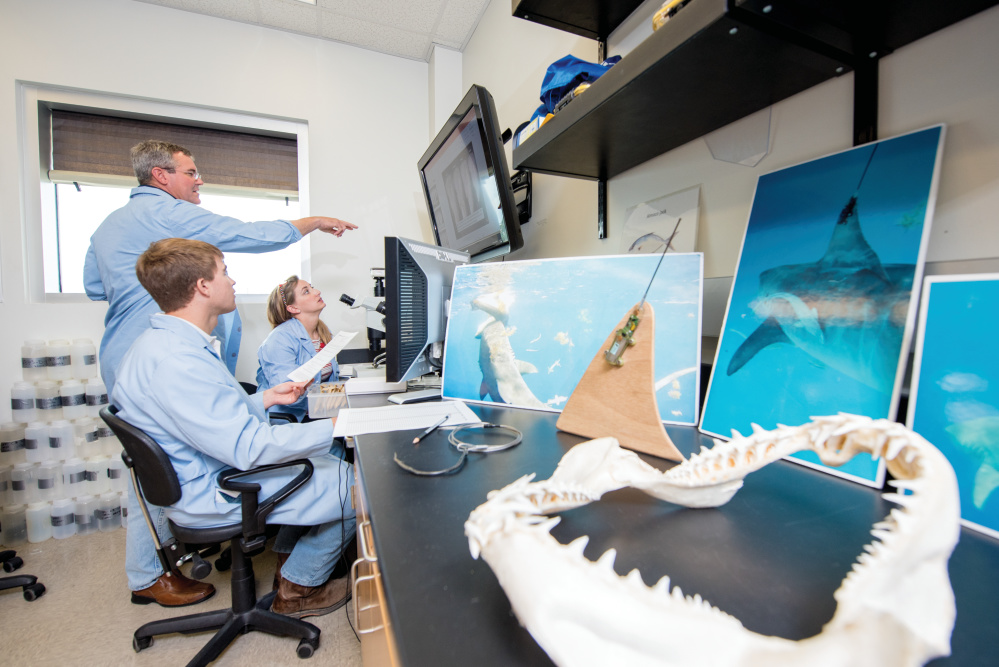
The university’s Harte Research Institute and Autonomy Research Institute – home to one of only nine FAA-designated drone test sites in the nation – is building comprehensive workforce pipelines that begin as early as K-12 outreach and extend through industry partnerships, creating multiple entry points for students to engage with cutting-edge research and career preparation.
Another standout example is the Conrad Blucher Institute for Surveying and Science (CBI), which has developed a unique geospatial engineering and land surveying career and technical education program. “Partnering with school districts across Texas, CBI enables high school students to take dual credit coursework in these high-demand technical fields, creating early pathways into careers and higher education,” says Joe Miller, director of research engagement at TAMU-Corpus Christi.
Students in both undergraduate courses and workforce development programs engage directly with applied research, industry-grade equipment and projects tied to Texas coastal infrastructure, hydrography, remote sensing and spatial data science.
Skills Players
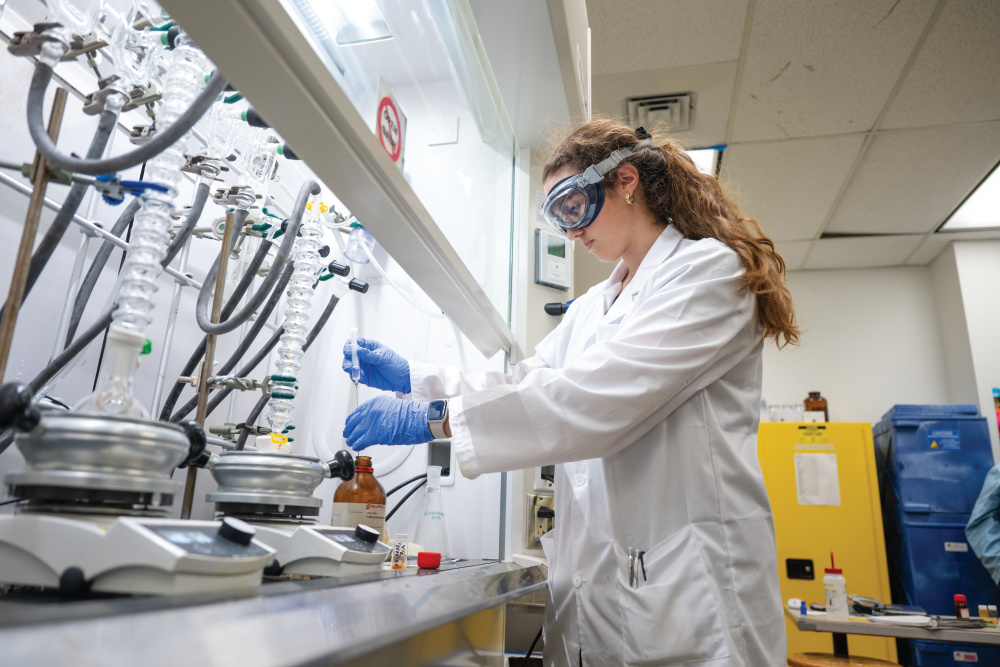
With more than 180 programs, Del Mar College emphasizes experiential learning, so students leave prepared and confident for their future endeavors. For example, students interested in the healthcare field can begin their journey in areas such as medical billing or phlebotomy, and then continue building toward advanced programs, such as a Bachelor of Science in Nursing (BSN). The college also offers strong pathways in welding, process technology and automotive, where students can step into well-paying careers while continuing to grow.
“Across all the college’s programs, the focus stays on building relevant, transferable skills so students are prepared for a range of opportunities as our region continues to evolve,” says Natalie Ann Chapa, Del Mar College associate vice president of external and government affairs and strategic planning. “In partnership with various industries across the region, our students’ learning reflects real opportunities in their backyard that support the work that keeps the Coastal Bend moving.”
Get to Know the Coastal Bend
Want to learn more about living and working in Corpus Christi, TX? Check out the latest edition of Livability Coastal Bend, Texas.