
Casper Powers New Sustainable Possibilities in Wyoming
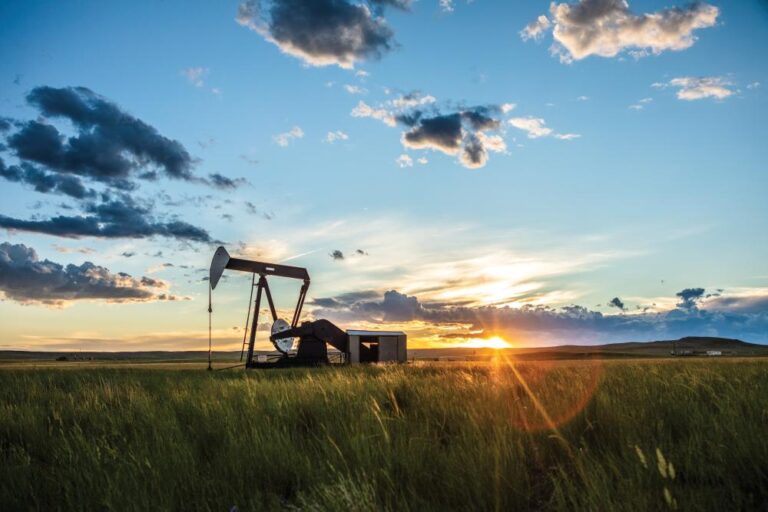
Casper, Wyoming, has a long history in the oil and gas industry. Capt. Benjamin Bonneville, an intrepid explorer of the West, first noted the presence of oil in what we now call Natrona County, Wyoming, in 1832.
Bonneville likely couldn’t imagine the oil and gas industry that would emerge and expand. He couldn’t imagine how Casper would sprout up, especially since Wyoming wasn’t yet a state. But he must have felt that something important would happen on that rugged terrain.
Today, oil and gas production occurs in 21 out of 23 Wyoming counties, according to the Petroleum Association of Wyoming (PAW). This state is a leading energy producer, with a top 10 national ranking in both oil and natural gas production. It also ranks second in the U.S. for oil and gas production on federal land.
Oil and natural gas companies contributed more than $2.42 billion to state and local governments in 2023, including $1.16 billion to K-12 education, $48 million to higher education, $330 million to cities, towns and counties, and more than $627 million to the state general fund, says Ryan McConnaughey, PAW Vice President and Director of Communications.
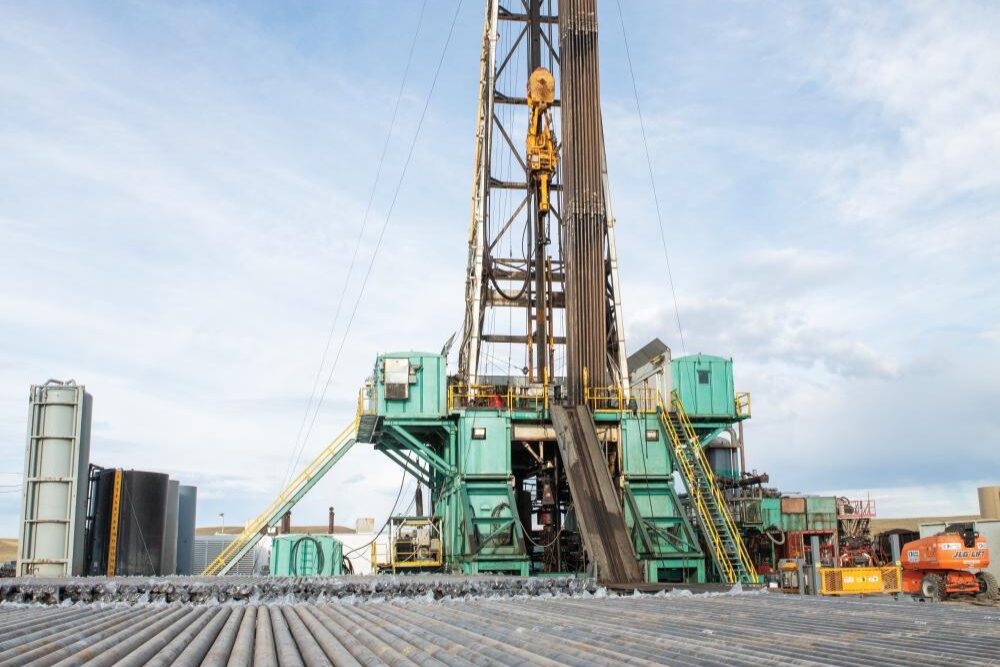
Oil and gas continue to play a major role in the local and state economy, creating jobs for talent from all corners of the U.S. As the energy sector evolves, Casper is ideally positioned to sustainably power the future.
Wyoming Gov. Mark Gordon has championed an “all-of-the-above” energy strategy, which aims to use a mix of oil, gas, coal, solar, wind and nuclear energy sources with a focus on sustainability. The industry in Casper is following that lead, says Justin Farley, President and CEO of Advance Casper.
“We export 90% of the power that we create,” Farley says. “The rest of the country, especially the West, depends on the energy that we provide.”
Historic Impact
After Bonneville’s mention of the presence of oil, prospecting didn’t take place for another 40 years. The area’s first recorded drilling happened in 1888.
“Beginning in 1889, oil from the Salt Creek field was hauled to Casper by strings of horses hitched to wagons. By 1894-95, Casper boasted its first refinery, which produced 100 barrels of oil daily,” the Natrona County website states.

Ryan McConnaughey
PAW Vict President and Director of Communications
From there, production boomed. The history of PAW dates to 1921 when former Gov. B.B. Brooks called the first meeting of Wyoming oil and gas industry officials in Casper, which led to the formation of the Rocky Mountain Oil and Gas Association. Another meeting in Casper in 1974 combined the two leading trade organizations into PAW.
“Casper, and even Wyoming, would not be the place it is today without the contributions the industry has made,” McConnaughey says. “We understand that history and strive every day to make sure those contributions are recognized and will continue to benefit generations to come.”
Future-forward Mindset
The governor’s “all-of-the-above” energy strategy is coming into fruition. According to the National Renewable Energy Lab, Wyoming ranks eighth in the U.S. in wind energy potential. Wind farm development and other alternative energy efforts are becoming more common in Wyoming. The southeast, southcentral, and northeast regions offer strong wind resources, while the southwest is pioneering nuclear power with the TerraPower project at a repurposed coal plant.
Casper is strategically leveraging its robust energy economy to fuel a dynamic future. By promoting the growth of new industries like manufacturing, the city aims to diversify its economic base and attract a wider pool of talent. Meanwhile, the oil and gas sector remains a vital contributor, continuously seeking ways to operate more sustainably and efficiently.
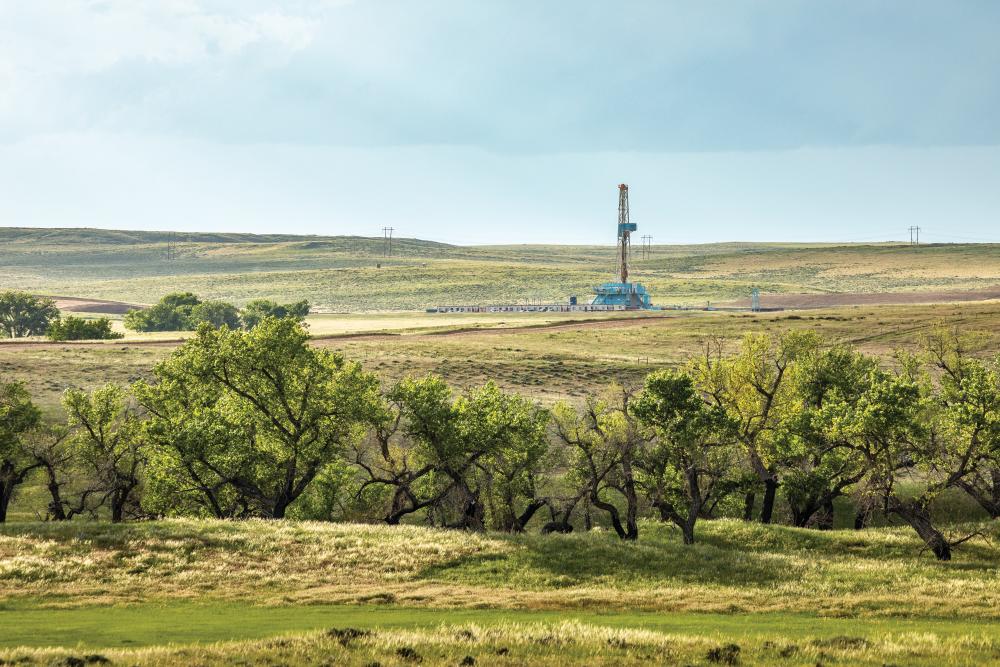
“The industry has an ethos of continual improvement in all aspects of its operation – from production to environmental stewardship to safety,” McConnaughey says. “Technological advancements ranging from CCUS (carbon capture, utilization and storage) to horizontal drilling and advancements in reclamation continue to reduce the impacts of exploration while providing reliable, affordable energy the world needs to thrive.”
Get to Know Casper
Want to learn more about living and working in Casper, WY? Check out the latest edition of Livability Casper, Wyoming.