
How to Start a Community Garden: 5 Tips and Success Stories
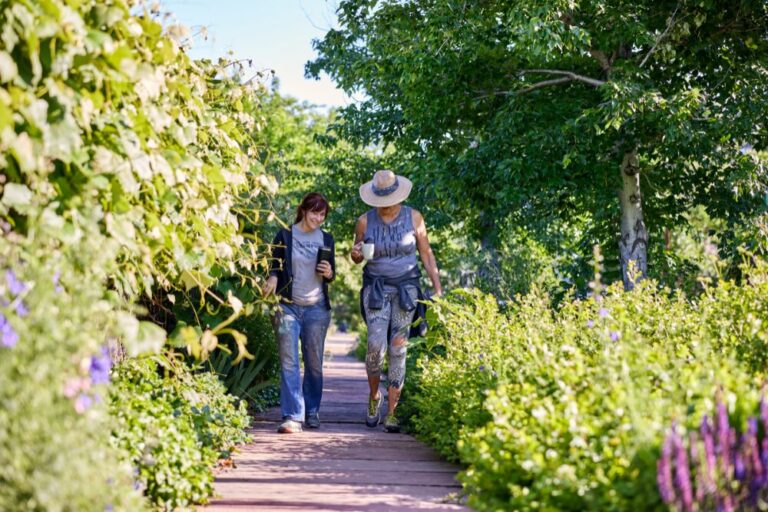
Want to transform your neighborhood? Start a community garden!
A thriving community garden produces far more than just… produce. These hyper-local green spaces are the ultimate hubs for connection, mutual aid and neighborhood pride. But moving from an empty plot of dirt to a flourishing green space takes more than just a few seeds and good intentions; it takes strategy. Whether you’re breaking ground on your first bed or looking to revitalize an established space, these five innovative garden associations are sharing their best insider tips on how to grow and give locally.
In This Article
1. Land Acquisition: Scout for Underutilized Spaces
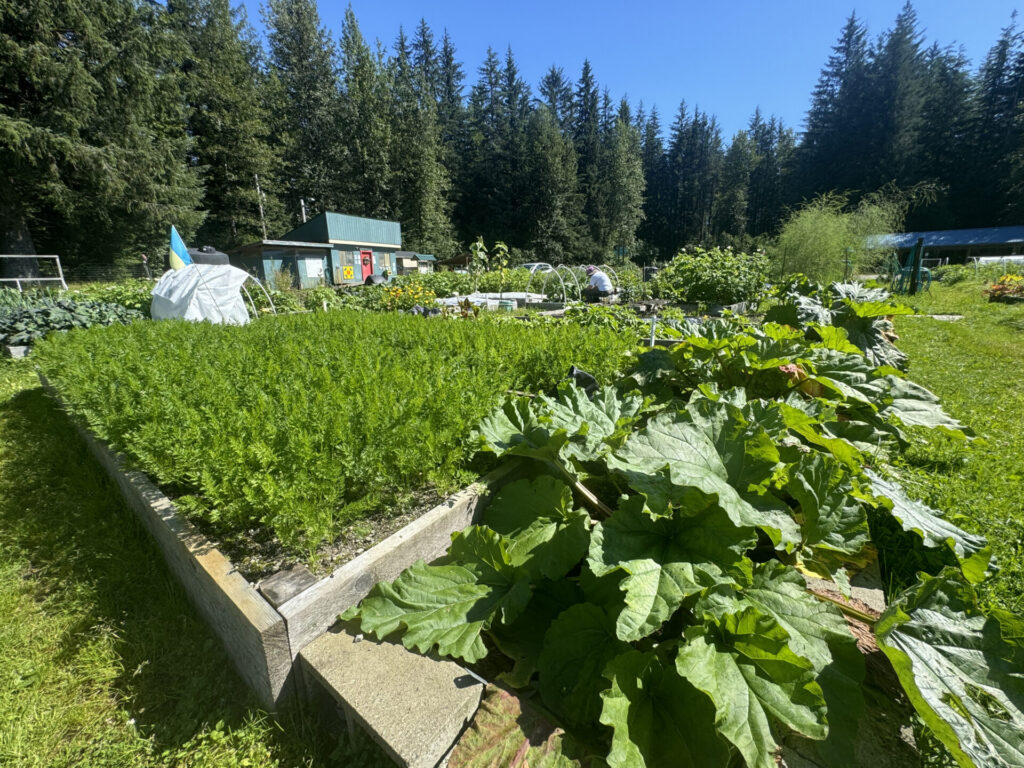
The first step to growing locally is finding the right dirt – and you don’t necessarily need a massive budget to make it happen.
Look at what’s underutilized in your area, particularly spaces that the city already owns. Austin Britt, the parking and micromobility planning coordinator for the City of Tampa, had a vision for establishing the Parking Community Garden. Their 57-bed downtown garden was originally an empty grass plot near a public parking garage.
You can easily get started by looking at what the city already owns.
“That way, there’s no need to go out and buy property or enter into agreements,” Britt says. “It also helps keep the cost low.”
Another idea is to partner with public land. The Juneau Community Garden Association in Alaska successfully manages four distinct areas of public land offered specifically for gardening, education and charitable use.
2. Build Your Boots on the Ground Team
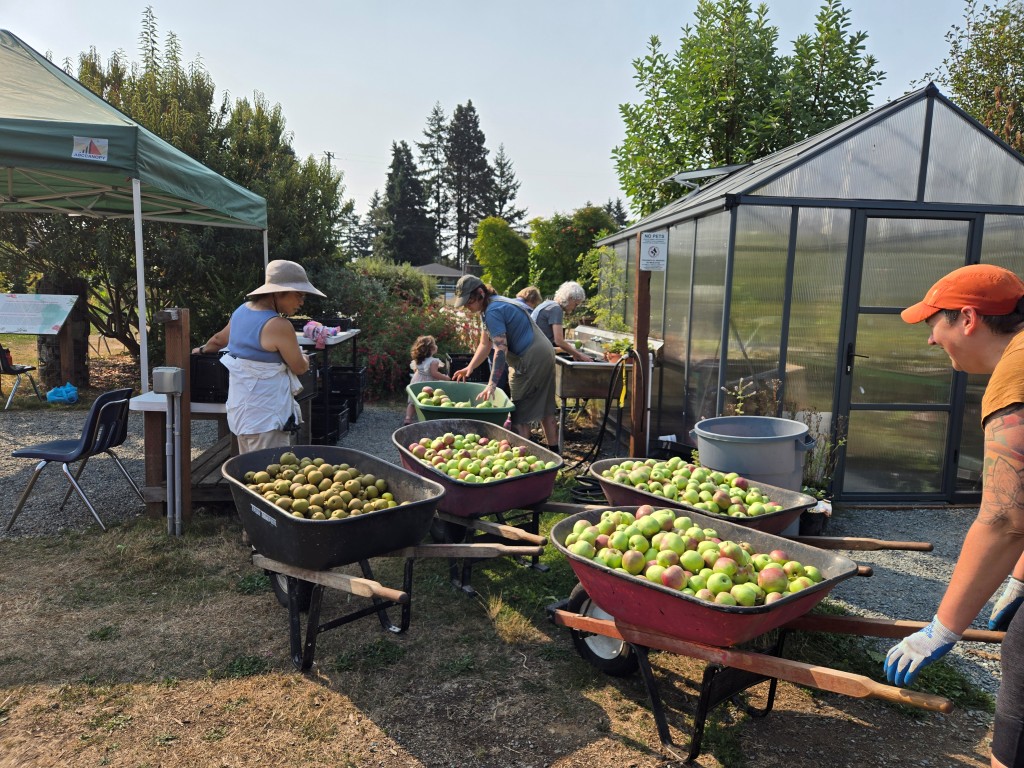
A garden can’t grow without manpower. Finding people in your community to help tend to the garden is essential, and you should look for a strategic mix of specific skill sets and local partners.
To get things moving, you need a strong core team with specific skills. Taryn Koerker, the Executive Director of The Shark Garden, recommends seeking out board members who represent your community’s different cultures and possess specific knowledge in construction, food gardening or the nonprofit sector.
“To start a garden, your board members are often your first key volunteers with boots on the ground,” says Koerker.
Once you’ve got your starting group, connect with like-minded groups. Don’t isolate your garden to just the initial volunteers. The Juneau Community Garden Association attributes much of its success to its membership in area organizations, such as local garden clubs and the Audubon Society, as well as to hosting a community plant sale to bring people together.
3. Inclusive Design: Prioritize ADA Accessibility and Inclusivity
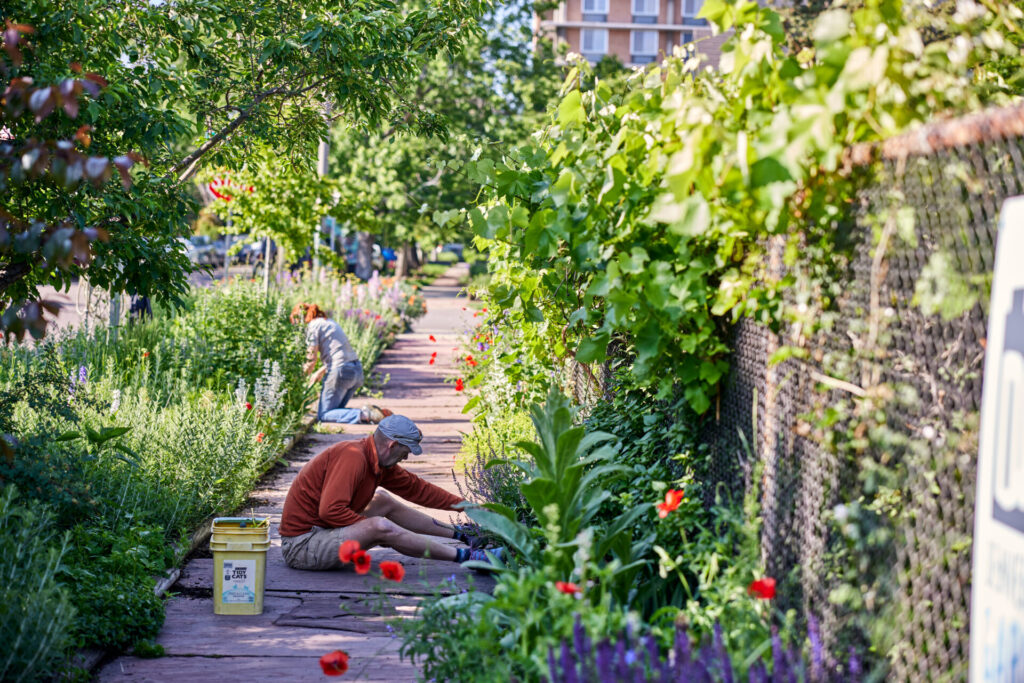
A true community garden should be open and accessible to everyone in the neighborhood.
The City of Tampa’s Parking Community Garden was designed with individuals requiring ADA assistance in mind, prioritizing them with a designated area of beds. The entire front zone features accessible wooden decking. A greenhouse, gazebo and tool shed ensure all participants can easily access the tools they need.
It’s also important to meet people where they are. To ensure your space truly reflects the neighborhood, connect with people through open forums, planning meetings and town halls. Osiris Mancera, Senior Bilingual Manager for Denver Urban Gardens (DUG), recommends using these early meetings to get non-gardeners excited about these public spaces.
“Sharing how non-gardeners can interact with and benefit from the space is always a good topic to bring up,” said Mancera.
4. Plant with Intention to Minimize Waste
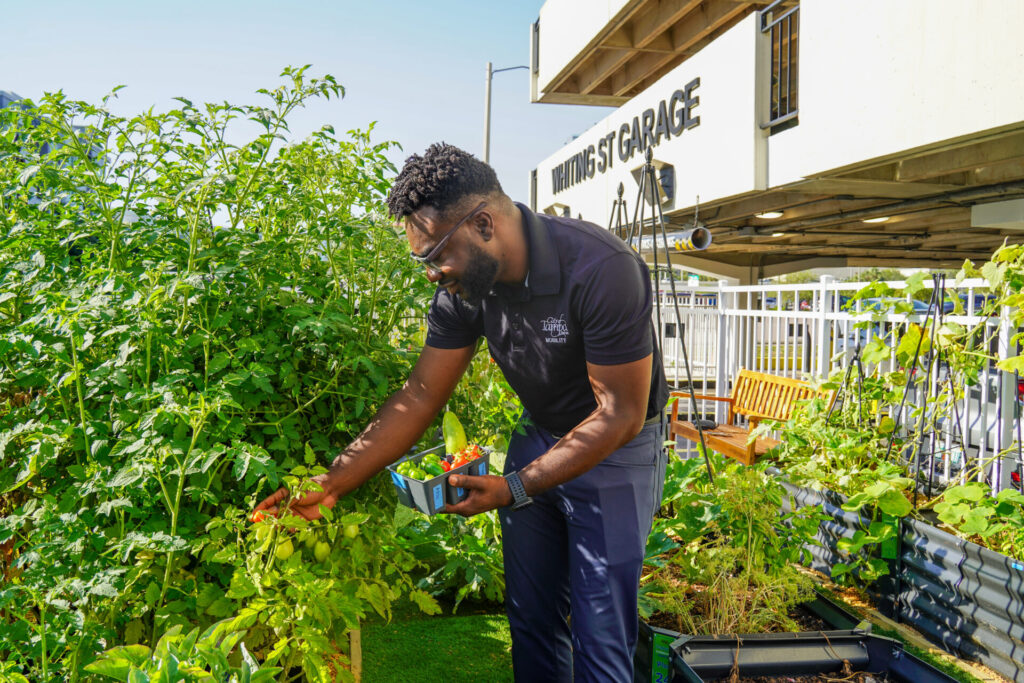
Once the infrastructure is ready, your planting strategy should directly reflect your community’s needs, ensuring nothing is wasted.
Don’t just plant at random. DUG’s Osiris Mancera recommends monitoring local environmental conditions and planting intentionally for what will actually be eaten or can be purposefully donated.
“Knowing what to plant and when is important, as some plants need more time to mature, while others can be planted in succession every couple of weeks for a large harvest,” says Mancera.
Another part of the planning process should be establishing charity plots. In Juneau, the association builds giving directly into their map. The Juneau Community Garden Association maintains dedicated charity plots that are cared for all season. These plots are then harvested specifically for local food pantries and the Southeast Alaska Food Bank.
5. Market Your Message and Lean on Volunteers
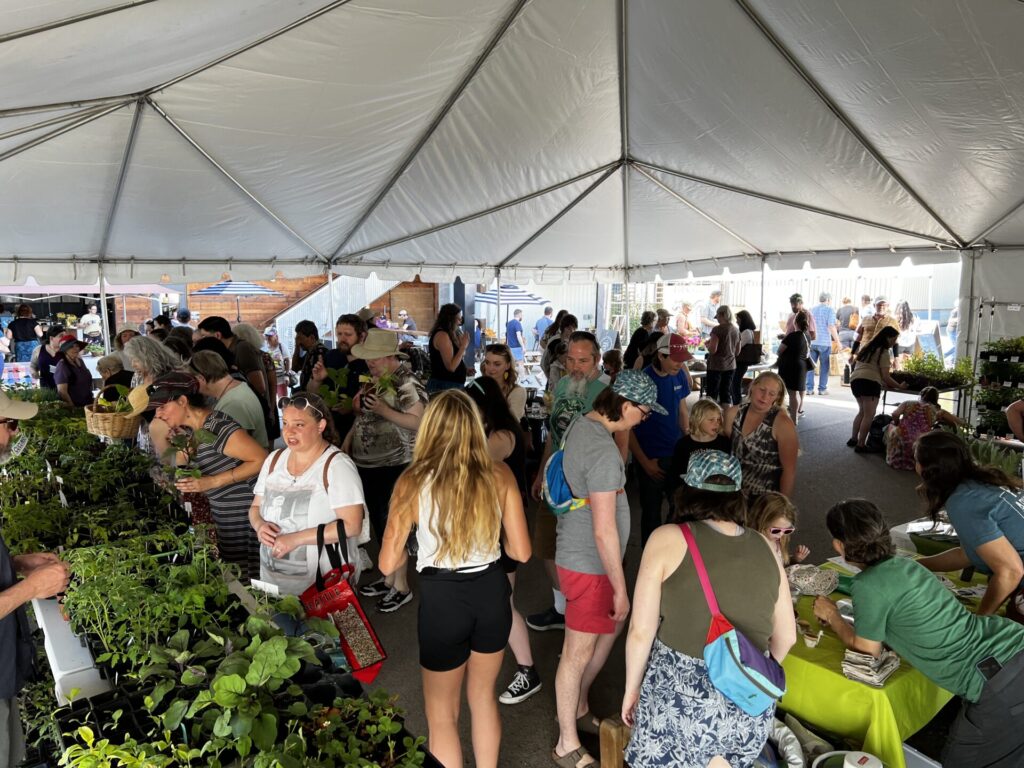
The long-term survival of a community garden relies entirely on consistent marketing and managing the ebb and flow of volunteers. These gardens are meant to be a point of pride and a resource for the community. However, they can’t be used properly if people don’t know about them.
To get the word out, meet people where they are. The Shark Garden relies heavily on social media to tell their story.
“Add yourself to Google Maps, too,” says Koerker. “About 90 percent of new visitors to our garden and classes heard about us on Instagram or Facebook.”
Another idea is to consider signage. Lee McCollins, a founding board member of Edible Landscapes of Yamhill County in Oregon, notes that their flagship program features planter boxes along McMinnville’s Alpine Avenue with informational QR codes for potential signups.
“That’s actually how I found out about the organization,” says McCollins, a local nursery owner.
Managing the human element requires a bit of appreciation and flexibility, too. Volunteers’ availability changes, and garden leadership needs to flow with that.
“Realize that volunteer recruitment is a constant job,” says McCollins.
Furthermore, when life gets in the way of a member maintaining their plot due to illness or injury, Juneau board member Pat McLear notes that a simple, supportive check-in to offer guidance is the best way to keep the community tight-knit.
Feeling Inspired? These 5 Programs are Leading the Way:
- The Juneau Community Garden Association (Juneau, AK): Formed in the early nineties, the Juneau Community Garden Association manages four areas of public land offered for gardening, education and charitable use.
- Edible Landscapes of Yamhill County (McMinnville, OR): Established in October 2021, the Edible Landscapes of Yamhill County helps build organic and edible community gardens. This nonprofit organization, located in Oregon’s Willamette Valley, known for its wonderful wines, hosts an annual Spring Edible Garden Festival in May.
- Parking Community Garden (Tampa, FL): Opened in February 2026, the Parking Community Garden was originally an empty grass plot near a public parking garage in downtown Tampa. Its transformation was the brainchild of two newly hired City of Tampa employees: Parking Facilities Management Supervisor Jason Windquist suggested a community garden, and Austin Britt, parking and micromobility planning coordinator, recognized its potential.
- Denver Urban Gardens (Denver, CO): Denver Urban Gardens (DUG) began in the seventies to establish a space for local Hmong women to grow their own food. From starting what’s now the Pecos Community Garden, DUG has grown to include over 200 growing spaces across seven counties in metro Denver.
- The Shark Garden (Burien, WA): Founded in 2015 as a gardening program for at-risk high school youth, The Shark Garden has evolved into the nonprofit “New Start Community Garden,” but most people still know it as The Shark Garden. It offers free community classes in organic gardening, cooking, environmental science and nature-based art.
Want more content about cool places delivered straight to your inbox? Sign up for Livability’s newsletter!