
From Sea to Shining Sea: The Ultimate Guide to Celebrating America’s 250
The United States of America is gearing up for a very special birthday this July 4. An event 250 years in the making, the nation’s semiquincentennial might be hard to say. Still, it’s certainly easy to enjoy with historic sites and commemorative events accessible from sea to shining sea.
Looking for the ultimate guide for celebrating America 250? We’re here to help!
In This Article
From Sea to Shining Sea: The Ultimate Guide to Celebrating America’s 250

Embark on a ‘Great American Field Trip’ for an immersive exploration of the cities and sites that built the nation – from the original colonies through two centuries of growth to the nation’s next chapters.
Whether planning nearby day trips, weekend getaways or a nationwide trek, there’s never been a better time to explore the unique people and places that shaped America.
The Original 13 Colonies: Where the American Revolution Began
On July 4, 1776, the 13 original colonies along the Atlantic coast declared independence from Great Britain, becoming independent states. Learn more about the nation’s origin stories at numerous historic sites in the original 13 colonies.
The original 13 colonies included: Delaware, Pennsylvania, New Jersey, Georgia, Connecticut, Massachusetts, Maryland, South Carolina, New Hampshire, Virginia, New York, North Carolina and Rhode Island.
Virginia’s Historic Triangle and Colonial Williamsburg
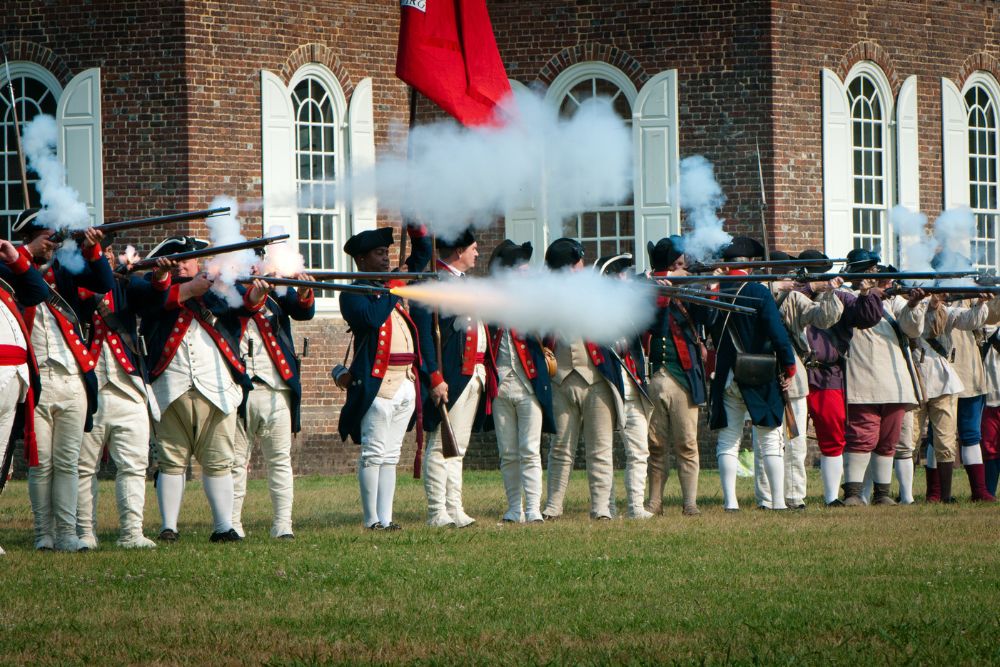
In Virginia, history springs to life at Colonial Williamsburg, where the ideals of self-determination and representative government were born and spread across the colonies. Explore “America’s Historic Triangle” with a multi-venue ticket available through Colonial Williamsburg that includes Historic Jamestowne, Jamestown Settlement, the American Revolution Museum at Yorktown and the Yorktown Battlefield.
Independence Hall and Democracy’s Birthplace in Philadelphia
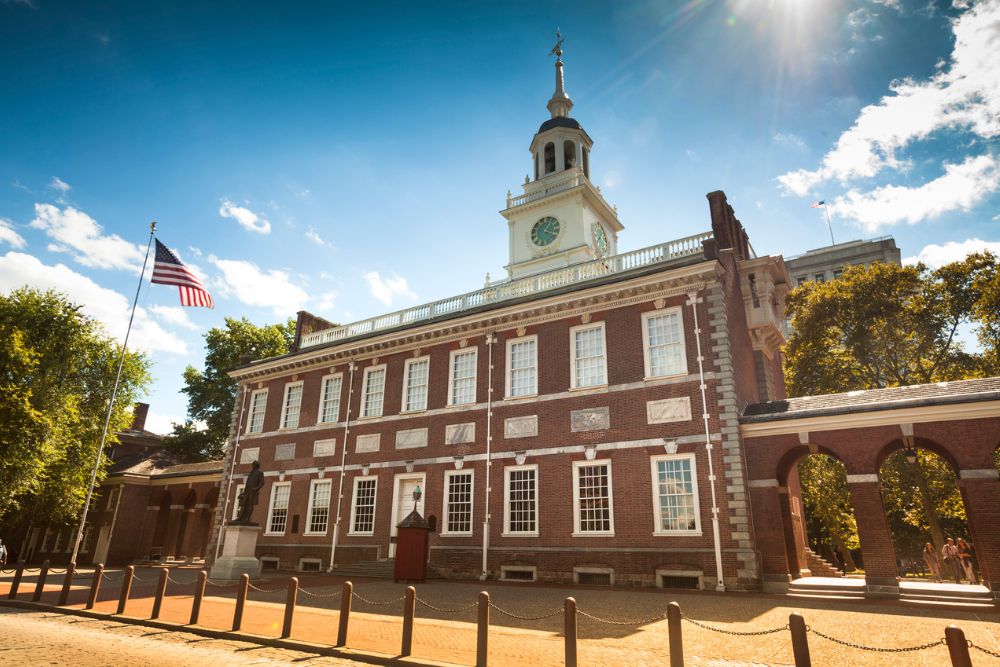
To be ‘in the room where it happened,’ plan a trip to Philadelphia. It was here Thomas Jefferson drafted the Declaration of Independence and here that it was ratified. A UNESCO World Heritage Site, visit the birthplace of American democracy at Independence Hall. Let freedom ring at the Liberty Bell Center where the famous bell is housed. It takes a lot of money to run a country. See where the coinage comes from at the Philadelphia Mint, which reopens in late April after undergoing renovations. While in the area, visit the winter camp of George Washington’s Continental Army at Valley Forge National Historical Park in nearby King of Prussia.
America’s Oldest City: Established in 1565, America’s oldest city, St. Augustine, predates the Declaration of Independence by more than 200 years. Located in what would become Florida, the land was originally claimed by Spain in 1513, ceded to the United States a century later and admitted to the union as the 27th state in 1845. Sample different eras of St. Augustine’s rich culture and history at the Lightner Museum, Colonial Quarter living history experience, Lincolnville Museum and Cultural Center and Ximenez-Fatio House Museum.
Activism and the Freedom Trail in Boston
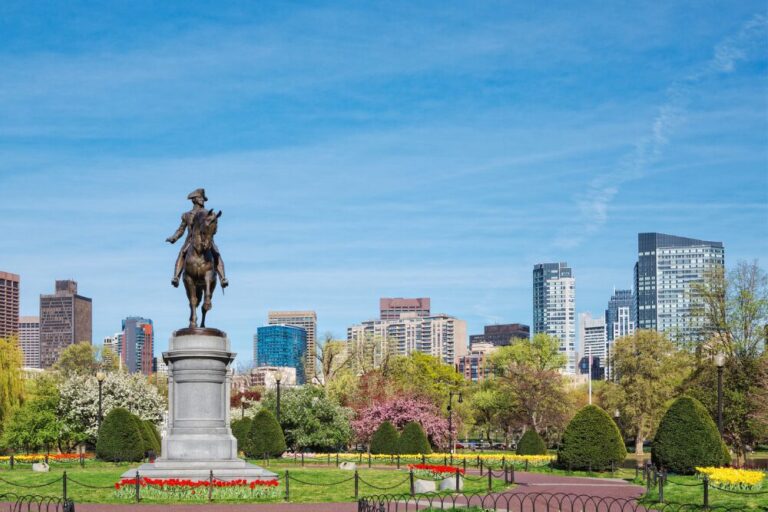
Feeling a little rebellious? Visit Boston for insights into activism. As the birthplace of the American Revolution, the city is home to dozens of historical gems. Embark on The Road to Revolution exhibit at Old State House, get the back story at the interactive Boston Tea Party Ships & Museum and walk through history along The Freedom Trail, a 2.5-mile trek through time including Paul Revere’s House and the Bunker Hill Museum. Boston’s legacy of ideals and activism crosses centuries as the torch continues to be passed to new generations. Learn more about one of those idealists at the John F. Kennedy Presidential Library & Museum.
Many other options explore America’s founding, growth and way of life across the original colonies. Visit New York state’s largest living history museum, Genesee Country Village & Museum in Mumford; the Plimoth Patuxet Museums in Plymouth, MA; and Mystic Seaport Museum in Mystic, CT, in the northeast. For a different perspective, visit Old Salem Museums & Gardens in Winston-Salem, NC, with multiple sites that tell the stories of the American South, including Moravian, Black and Indigenous peoples.
Governing the Republic: Presidential Libraries and Washington, D.C.
With the Revolutionary War ended, the business of running a new nation began in earnest. Unanimously elected first president of the United States by the Electoral College, George Washington served two terms from 1789-1797.
He took the first oath of office on April 30, 1789, at Federal Hall in New York City, which served as the nation’s capital until 1790. For the next decade, Philadelphia would take that honor, with Washington being sworn in for his second term in Congress Hall. While the presidency often kept him away from Virginia, Washington is most closely associated with his beloved home, Mount Vernon. The estate features his presidential library, tours and museum exhibits, including “Lives Bound Together,” highlighting the stories of the enslaved community whose labor sustained the estate.
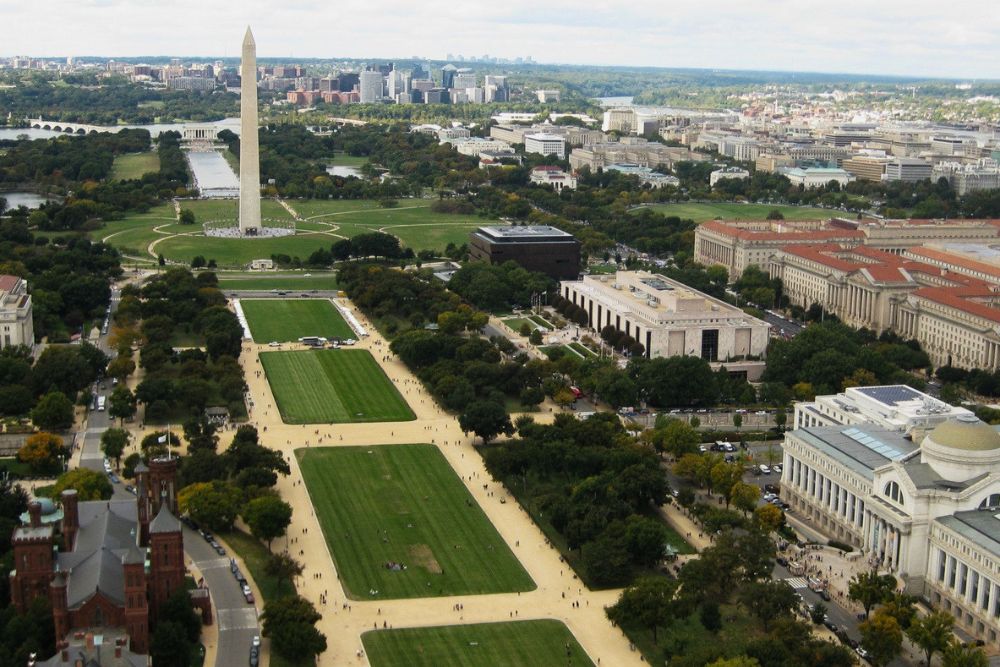
Walking America’s Front Yard at the National Mall
Although he never served in the nation’s permanent capital, the first president was instrumental in site selection and design of the city that bears his name. Visitors to Washington, D.C., are surrounded by accessible public history. Tour the National Archives where the nation’s original founding documents – the Declaration of Independence, Constitution and Bill of Rights – are on display in the Rotunda. Visit the seats of power: the White House, where the president lives and the U.S. Capitol, where Congress works.
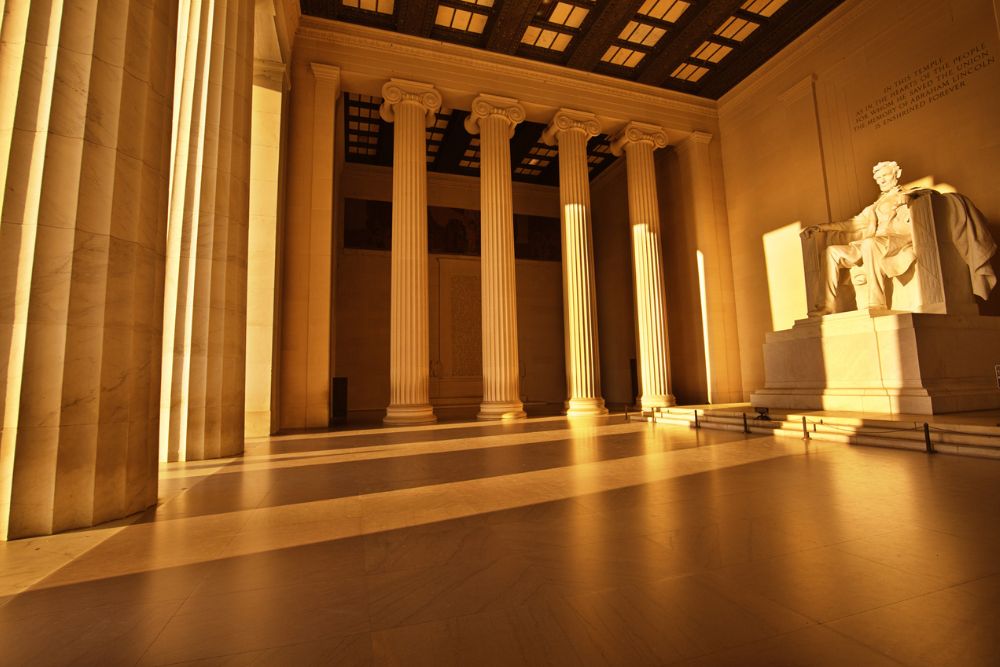
Explore the Smithsonian museums, including the National Museum of American History. And take time to play in ‘America’s front yard’ with a visit to the National Mall. This park, stretching from the Capitol to the Potomac River, showcases more than a dozen features, including memorials dedicated to Jefferson, Lincoln, Franklin D. Roosevelt and Martin Luther King, Jr., along with war memorials and the towering Washington Monument.
The 2026 Expansion: From Springfield to the New Obama Presidential Center
For a closer look at individual presidents, visit their presidential libraries and museums, which provide insight into the leaders and the eras in which they served. From facilities honoring Abraham Lincoln in Springfield, IL, and Dwight D. Eisenhower in Abilene, KS, to Ronald Reagan in Simi Valley, CA, and Bill Clinton in Little Rock, AR, these venues are spread across the country in the places former presidents called home. The newest addition to the presidential library lineup is the Obama Presidential Center, which opens in Chicago this summer.
Westward Expansion: Living History Sites of the Pioneers
A pioneering spirit and population explosion led early settlers on a westward push across the Appalachian Mountains from the communities clustered along the Atlantic seaboard. A series of purchases and treaties added new states to the Southeast, Midwest and West, with Alaska and Hawai‘i being admitted to the union in 1959. Living history sites provide a peek into the daily lives of pioneers who pushed the boundaries to expand the nation. A sampling includes:
- Museum of Appalachia in Clinton, TN
- Conner Prairie in Fishers, IN
- Old World Wisconsin in Eagle, WI
- Living History Farms in Urbandale, IA
- Missouri Town Living History Museum in Lee’s Summit, MO
- The Alamo in San Antonio, TX
- Littleton Museum in Littleton, CO
- Museum of the Rockies Living History Farm in Bozeman, MT (Memorial Day – Labor Day)
- Pioneer Living History Museum in Phoenix, AZ
- National Historic Oregon Trail Interpretive Center in Baker City, OR
Military Maneuvers: U.S. Military History and Memorials
The American Revolution and Civil War are the largest wars fought at home. History buffs have many opportunities to visit battlefields, see reenactments and study the history of these conflicts. The National Park Service oversees several battlefield sites from the American Revolution and the Civil War, with links to educational information and events.
Official National Museums of the Armed Forces
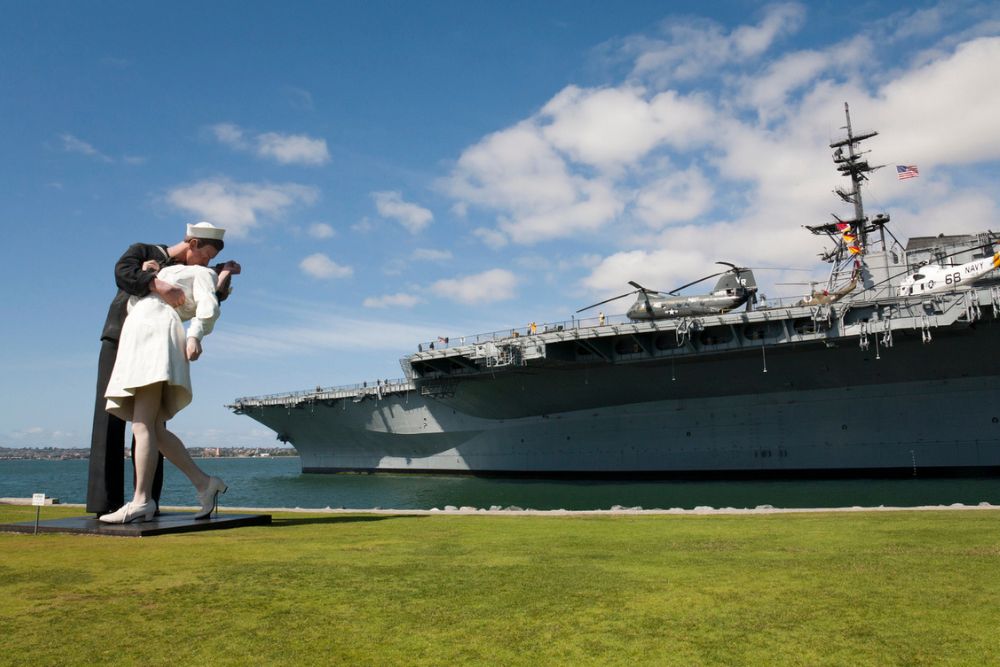
The 20th and 21st centuries have seen American soldiers fight on foreign soil. Both military and private museums provide the home front with a window into the experiences and expertise of American soldiers. Each branch has a dedicated military museum.
- National Museum of the U.S. Army in Fort Belvoir, VA
- National Museum of the Marine Corps in Quantico, VA
- National Museum of the U.S. Navy: A new museum is currently under construction.
- National Naval Aviation Museum in Pensacola, FL, home of the Blue Angels
- National Museum of the U.S. Air Force at Wright-Patterson AFB, OH
- United States Coast Guard Museum in New London, CT
- National Guard Memorial Museum in Washington, D.C.
A sampling of privately operated museums dedicated to military history includes the Indiana Military Museum in Vincennes, IN, the National Museum of Military Vehicles in Dubois, WY, and the aviation and tank collection at American Heritage Museum in Hudson, MA. The large Warhawk Air Museum in Nampa, ID, showcases a wide array of aircraft and personal memorabilia from the front lines beginning with World War I and continuing through the newly opened Global War on Terror wing.

Days of Infamy: Remembering Pearl Harbor and the 9/11 Memorial
While most attacks have occurred overseas during the last 150 years, there are two notable exceptions with deeply meaningful memorials. Dec. 7, 1941, is a day that lives in infamy as an attack on Hawai‘i brought the United States into World War II. Visit Pearl Harbor to learn more about the bombing and U.S. response. More recently, coordinated terror attacks on Sept. 11, 2001, led to Operation Enduring Freedom. The 9/11 Memorial & Museum in New York commemorates the lives lost that day.
Redefining ‘We the People’: The Fight for Suffrage and Civil Rights
The first three words of the U.S. Constitution were meant to convey America’s new government would serve the people and derive its power from them. Yet “We the People” didn’t initially include everyone. It took well over a century of activism to expand the vote to all citizens, and even then, barriers persisted.
The 14th and 15th Amendments, ratified in 1868 and 1870, expanded the vote to the formerly enslaved by conferring citizenship on all persons born or naturalized in the U.S. and prohibiting the denial or abridging of voting rights based on race or former servitude.
Take a deeper dive into the Black experience with “A People’s Journey, a Nation’s Story” at the Smithsonian’s National Museum of African American History & Culture in Washington, D.C. While in town, don’t miss the opportunity to learn more about activist and abolitionist Frederick Douglass, who served as a leading voice for Black suffrage at the Frederick Douglass National Historic Site.
Read More: 5 Unexpected Cities With Rich Black History
Abolitionism and the Women’s Rights Movement in Seneca Falls
Although many famous suffragettes, including Susan B. Anthony and Elizabeth Cady Stanton, initially supported the passage of the 15th Amendment, they were angered and disappointed when it became clear that only men would be included. For women, it required a 72-year battle for the right to vote. The battle began in earnest in 1848 with “The Declaration of Sentiments” at the Women’s Rights National Historical Park in Seneca Falls, NY, which includes the Elizabeth Cady Stanton House.
For personal insights into another leader of the suffrage movement, visit the Susan B. Anthony Birthplace Museum in Adams, MA. Additionally, the Belmont-Paul Women’s Equality National Monument, located on Capitol Hill in Washington, D.C., served as headquarters for the National Women’s Party for nearly a century and is now open as a museum.
Read More: 5 Cities That Celebrate Women’s History
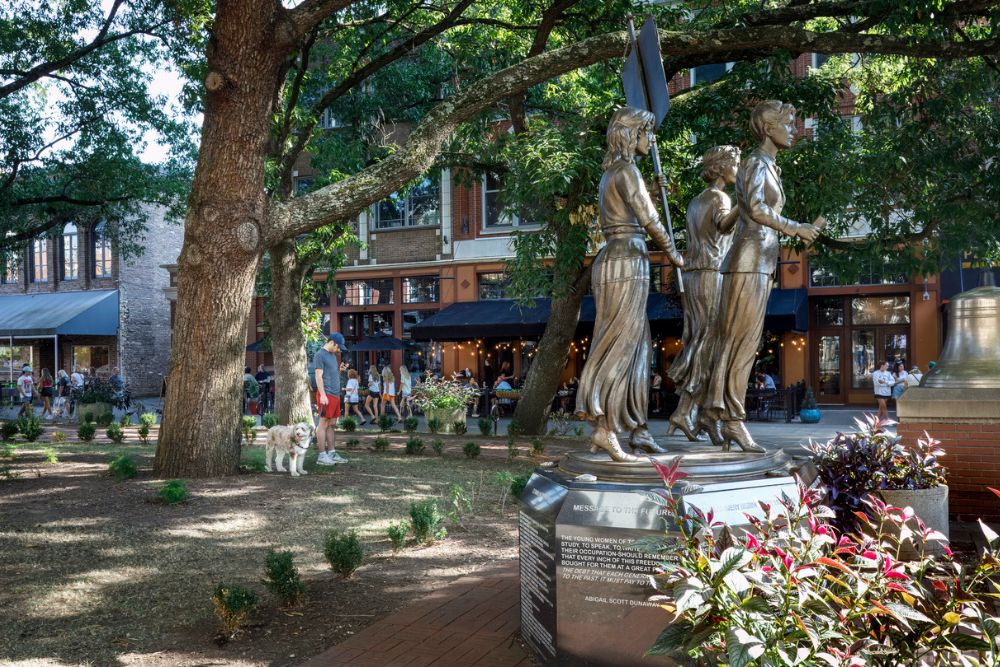
The long fight for women’s voting rights culminated in Nashville, TN, when the 19th Amendment was ratified on August 18, 1920. While the deciding vote was cast at the Tennessee State Capitol, the epicenter of the fight was at the historic Hermitage Hotel. Known as the “War of the Roses,” suffragists (yellow roses) and the “antis” (red roses) both headquartered at the hotel to lobby Tennessee legislators. Nearby, the Tennessee State Museum highlights artifacts from the movement.
More than 26 million women gained the right to vote dynamically upon the ratification of the 19th Amendment in 1920.
Honoring America’s Indigenous Peoples
Although July 4, 1776, marked the beginning of a new nation, the land that comprises the United States of America had long been inhabited by native peoples from the Inuit of Alaska and indigenous Polynesians of the Hawaiian Islands to more than 500 federally recognized tribes across the continental U.S.
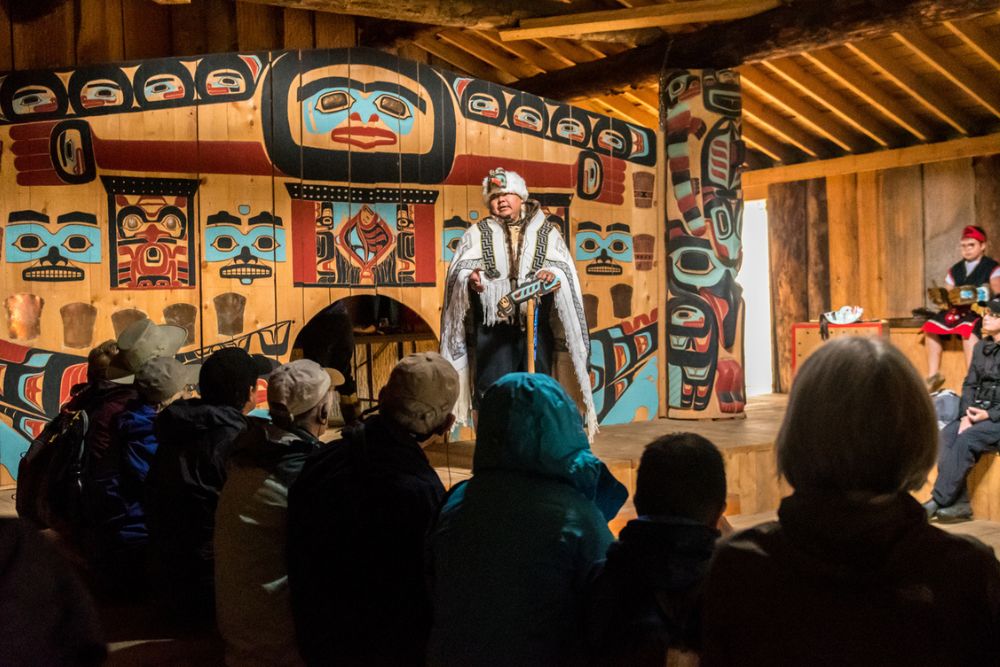
During your trek across the country, learn more about the nation’s first inhabitants at these sites:
- Alaska Native Heritage Center in Anchorage, AK
- Bishop Museum: State of Hawai‘i Museum of Natural & Cultural History in Honolulu, HI
- Cherokee National History Museum in Tahlequah, OK
- First Americans Museum in Oklahoma City, OK
- Heard Museum in Phoenix, AZ
- Indian Museum of North America in Crazy Horse, SD
- Indian Pueblo Cultural Center in Albuquerque, NM
- Iñupiat Heritage Center in Barrow, AK
- Iolani Palace in Honolulu, HI
- Maynard Dixon & Native American Art Museum in Tucson, AZ
- Museum of the Southeast American Indian in Pembroke, NC
- Smithsonian’s National Museum of the American Indian in New York, NY
The United States currently recognizes 574 federally recognized American Indian and Alaska Native tribes.
The Fight for Civil Rights
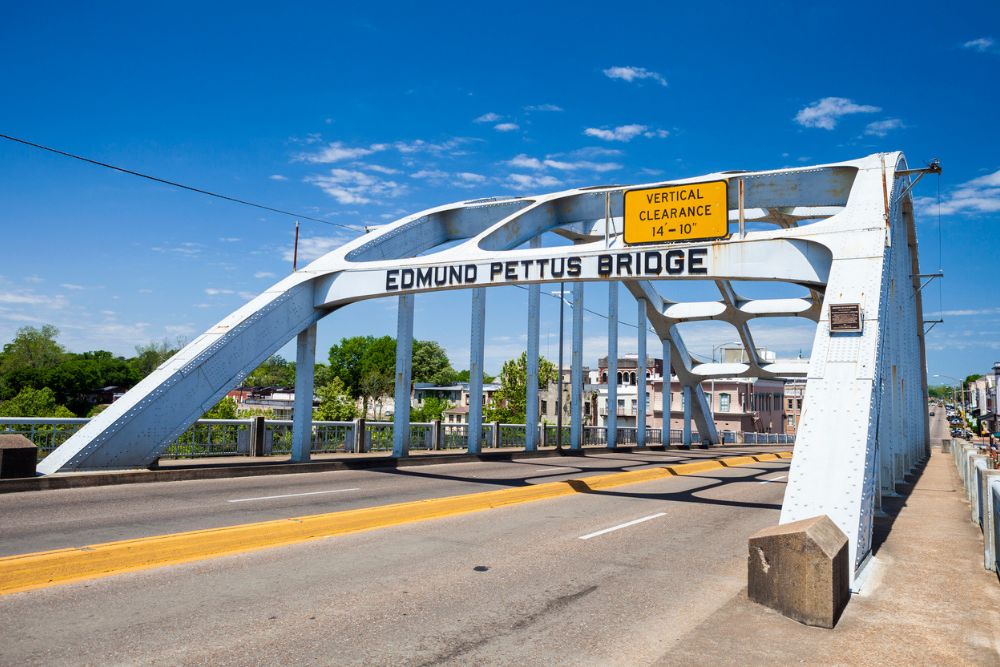
Despite passage of the voting amendments, it didn’t take long for Jim Crow laws to create barriers for Black Americans at the polls and in daily life. Activists sought social justice through lunch counter sit-ins, marches on the nation’s capital and freedom rides. Unfortunately, not all events were peaceful. Americans were shocked by the violence of Bloody Sunday at the Edmund Pettus Bridge in Selma, AL, and the assassination of Medgar Evers in his Jackson, MS, carport at the Medgar and Myrlie Evers Home. Those events sparked national outrage and helped turn the political tide.
The landmark Civil Rights Act of 1964 – prohibiting discrimination based on race, color, religion, sex or national origin – was signed into law on July 2, 1964, by President Lyndon B. Johnson. The following year, the president signed the Voting Rights Act of 1965, which opened the polls to all citizens. The LBJ Presidential Library in Austin, TX, includes multiple artifacts tied to these landmark pieces of legislation, and The LBJ Telephone Tapes let visitors hear actual conversations between the president and key historical figures, including Martin Luther King, Jr.
Tracking Social Justice Along the United States Civil Rights Trail
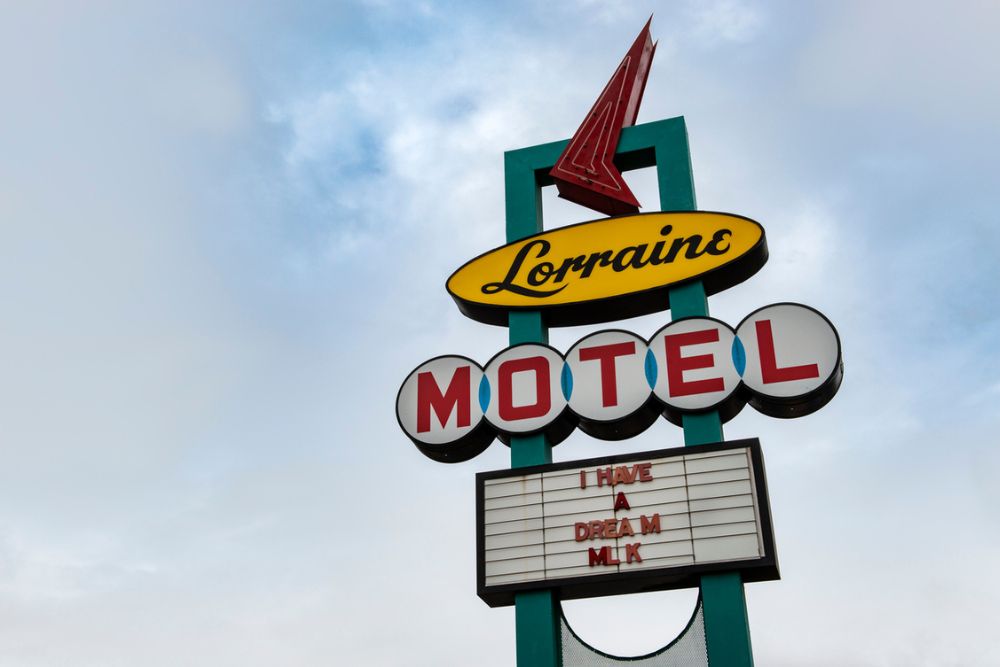
For a more comprehensive look, the United States Civil Rights Trail features more than 130 landmark sites across multiple states where activists sought social justice in the 1950s and ‘60s. Other places providing important snapshots of the time include the International Civil Rights Center & Museum in Greensboro, NC, where four Black college students helped ignite lunch counter sit-ins across the South; the National Civil Rights Museum at the Lorraine Motel where Dr. King was assassinated in Memphis, TN; the Birmingham Civil Rights Institute in Alabama highlighting the deep racial divides of the segregated South; and the National Center for Civil and Human Rights in Atlanta serving as both a museum and movement for ongoing change.
While in Atlanta, visit The King Center, which honors the legacy and continues the work of Dr. Martin Luther King, Jr., and Coretta Scott King, including a stop at Historic Ebenezer Baptist Church, now led by Senior Pastor and U.S. Senator Dr. Raphael Warnock, where the seeds of social justice were sewn. Then visit the Jimmy Carter Presidential Library & Museum to see how those seeds grew into a global mission for human rights.
Conserving Natural Beauty: The National Park System in 2026
From the mountains to the prairies, to the oceans white with foam – the nearly 3.8 million square miles that comprise the United States are filled with breathtaking natural beauty. And the National Park Service (NPS) serves as the crown jewel of conservation, celebrating and safeguarding America’s wonderfully diverse topography.
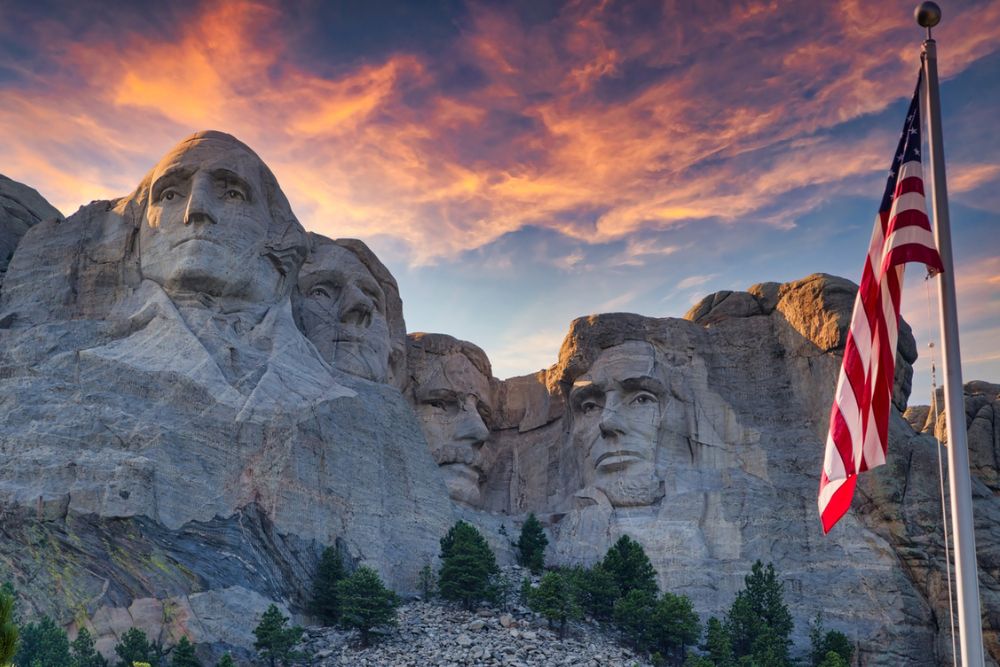
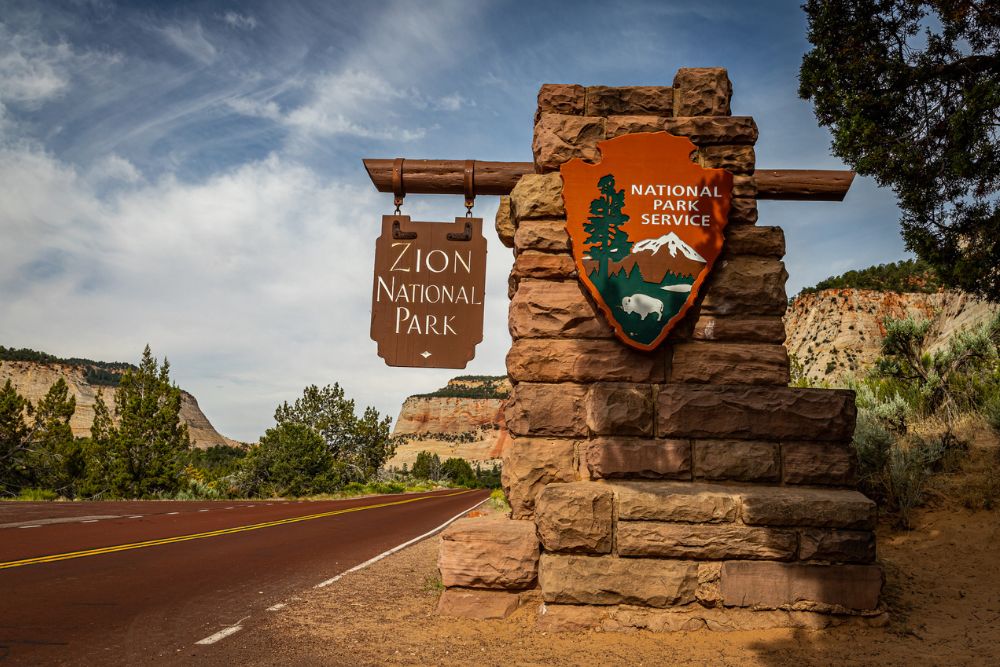
Created in 1916, the NPS oversees 63 designated national parks and more than 430 historical and cultural sites. In addition to protecting locations like Mount Rushmore in the Black Hills of South Dakota and the Aztec Ruins in New Mexico, park rangers and community volunteers share the stories that bring these landscapes to life.
The latest visitation data shows the five most popular national parks welcomed nearly 30 million guests in 2025. Drawn to the biodiversity and Appalachian culture of the Great Smoky Mountains spanning Tennessee and North Carolina, the park has clinched the top spot for decades. Zion National Park in Utah, featuring colorful sandstone cliffs, came in second, followed by Yellowstone’s hydrothermal features in Wyoming, the geological wonder known as the Grand Canyon in Arizona, and the beautiful waterfalls of Yosemite in California, which rounded out the top five.
Read More: The Most Popular National Parks in the U.S.
The New Theodore Roosevelt Presidential Library Opening July 4, 2026
All 63 national parks are treasures, showcasing the unique features of the land they inhabit and insights into the peoples who once inhabited it. Located in the badlands, Theodore Roosevelt National Park in Medora, ND, honors a president’s legacy of conservation policy, shaped by his bison-hunting experiences in North Dakota. It’s also the site of the new $330 million Theodore Roosevelt Presidential Library, debuting July 4, 2026.
Discover the Last Frontier
Denali National Park & Preserve in Alaska covers 6 million acres, transitioning from relatively flat forests to the tallest peak in North America, Denali (formerly known as Mount McKinley), which soars to 20,310 feet. Washington has a trio of national parks in Mount Rainier, North Cascades and Olympic that show off the state’s diverse ecosystems from rainforest to glaciers. And the whitewater rapids of New River Gorge, one of the oldest rivers on the continent, roars through West Virginia.
Cultural Superpowers: The Evolution of American Art and Entertainment
Beauty comes in many forms, and one of America’s superpowers is fostering creative expression. Across literature, the visual arts and live performance, talented artisans share global and cultural influences that have uniquely shaped the American story.
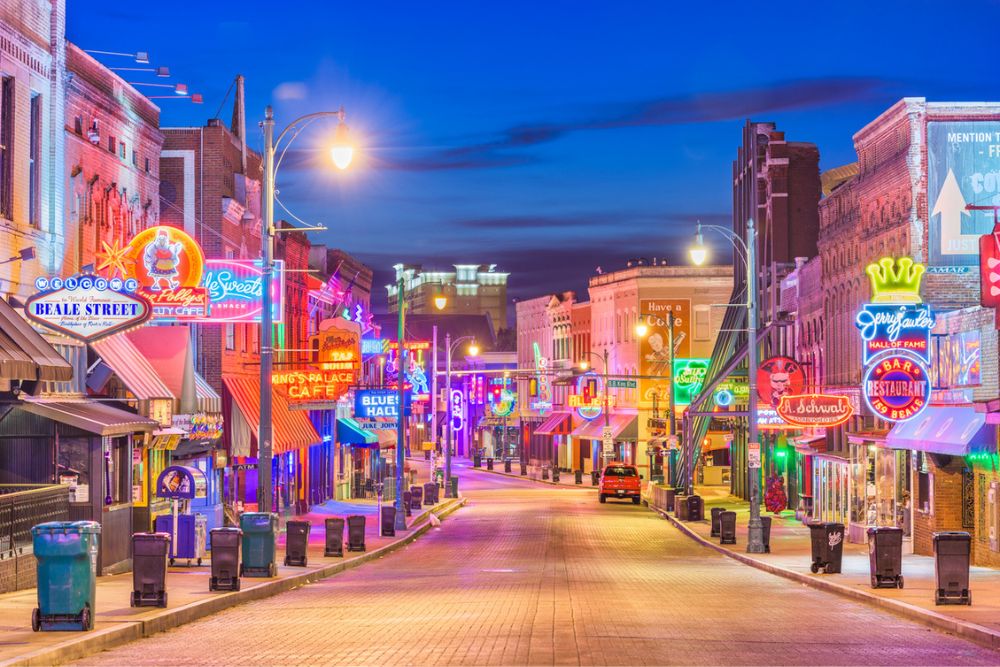
Music
The soundtrack of America finds its voice in New Orleans jazz, the blues of the Mississippi Delta, live performances in Austin and Nashville, the soul and rock ‘n’ roll of Memphis, the historic movement of the Harlem Renaissance, rock revolution in Minneapolis at Prince’s Paisley Park, the urban beats of New York and the defining sounds of Detroit’s Motown and California’s West Coast.
But great music lives in every corner of the country. Celebrate the evolution of sound at these smaller clubs with a big reputation: Billsville House of Concerts in Manchester Center, VT, Shanghai Jazz in Madison, NJ, Pump House Music Works in Wakefield, RI, The Pour House in Charleston, SC, Grog Shop in Cleveland Heights, OH, and double dip at Bourbon Theatre and The Royal Grove in Lincoln, NE.
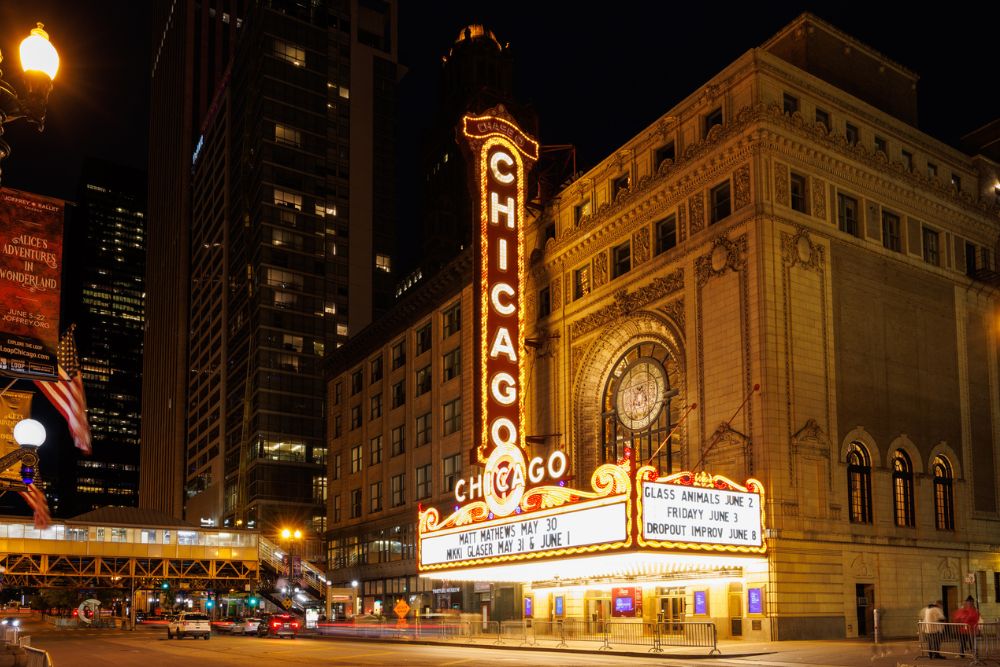
Stage & Screen
Performers take to stages big and small from the lights of Broadway, the Chicago Theater District, venues of Las Vegas and the magic of Hollywood to acclaimed regional theaters including Guthrie Theater in Minneapolis, The Muny in St. Louis, Alliance Theatre in Atlanta, Dallas Theater Center, California’s Berkeley Repertory Theatre and Maine’s Ogunquit Playhouse.
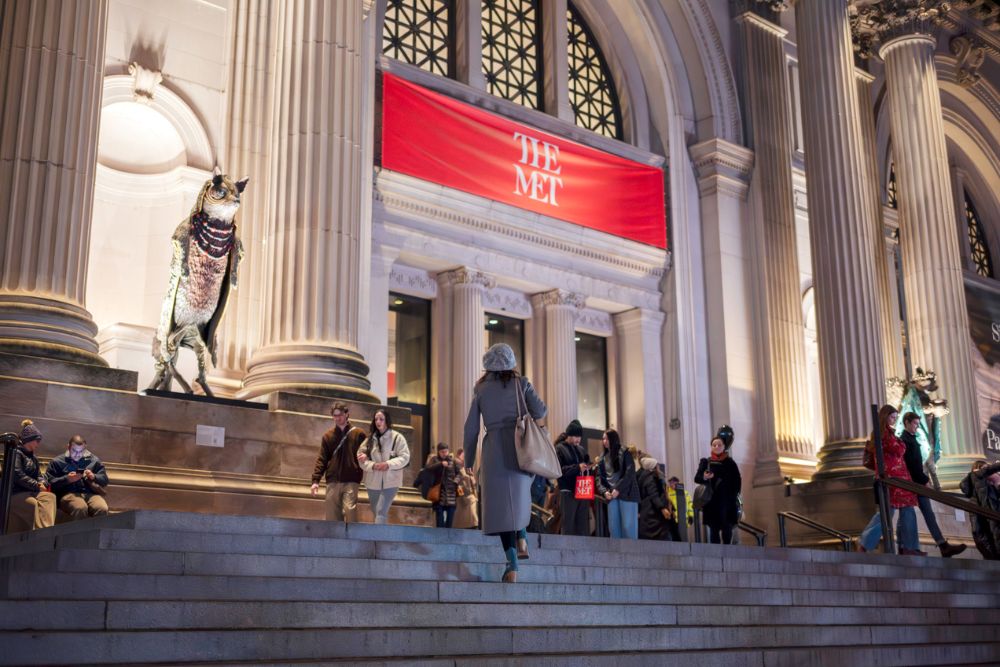
Visual Arts
America is home to several world-renowned art museums including The Met and MoMA in New York, the Art Institute of Chicago, The Getty in Los Angeles and D.C.’s National Gallery of Art. Around the country, creative enclaves attract artists to live and work in community. Check out the rich art scene in Taos and Santa Fe, NM, Sedona, AZ, the River Arts District in Asheville and mountain artisans of Hendersonville, NC, Cumberland Arts & Entertainment District in Maryland, vibrant western art of Jackson Hole and Cheyenne, WY, art enclaves in Carmel-by-the-Sea and Laguna Beach, CA, & the nation’s largest privately-owned arts facility with 153 working studios and 300 artists at Lowe Mill ARTS & Entertainment in Huntsville, AL.
Moving Forward: A Hub of Innovation
The pioneering spirit that helped build the U.S. continues to move the country forward through invention, innovation and exploration. Celebrate American ingenuity while sparking interest in the next generation of innovators at the National Inventors Hall of Fame & Museum in Alexandria, VA; the Henry Ford Museum of American Innovation in Dearborn, MI; and Mercer Labs: Museum of Art & Technology in New York. Making its debut in Los Angeles this spring, Dataland is the world’s first museum dedicated to the digital ecosystem at the crossroads of human imagination and machine learning.
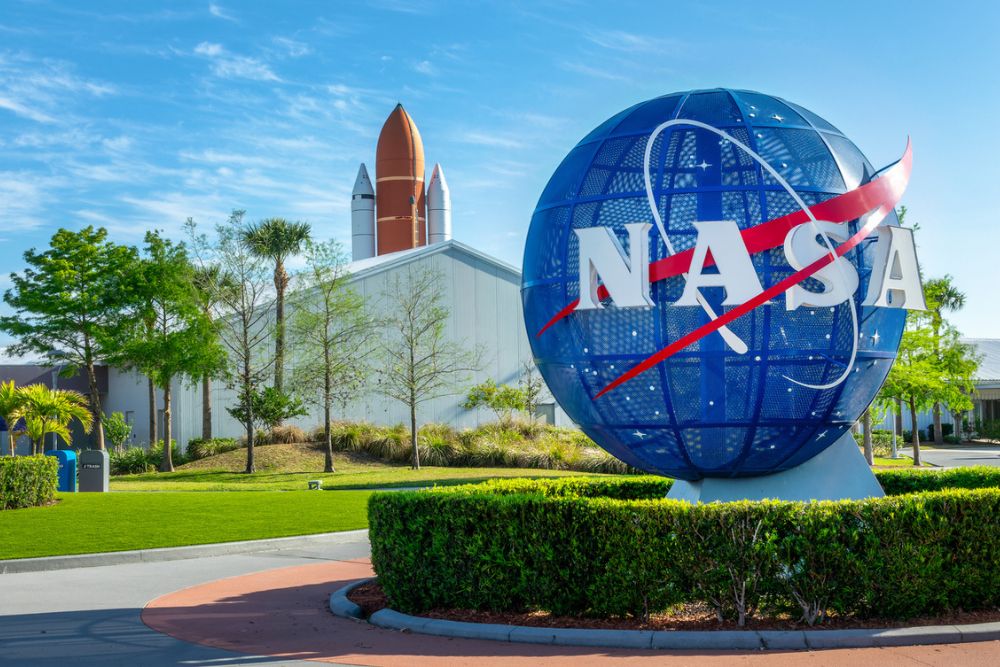
The Artemis II Mission and the Rise of Digital Ecosystems
The spirit of exploration is particularly pronounced in aerospace engineering. On the first manned mission to the moon in more than five decades, Artemis II blasted off from Kennedy Space Center on April 1, 2026, for the first return to deep space since Apollo 17. Commander Reid Weisman led a diverse crew that included the first woman, the first person of color and the first Canadian to surpass the low-Earth-orbit boundary.
Discover behind-the-scenes advances in aviation and the space race at the Smithsonian’s National Air and Space Museum in Washington, D.C., San Diego Air & Space Museum in San Diego, CA, Armstrong Air & Space Museum in Wapakoneta, OH, U.S. Space & Rocket Center in Huntsville, AL, Kennedy Space Center on Merritt Island, FL, and the Cape Canaveral Space Force Museum in Cape Canaveral, FL.
Continuing Quest for a More Perfect Union
“We hold these truths to be self-evident, that all men are created equal, that they are endowed by their Creator with certain unalienable Rights, that among these are Life, Liberty and the pursuit of Happiness.” – Declaration of Independence
Although written more than two centuries ago, the United States’ foundational documents aren’t just historical exhibits in Washington, D.C. They are living, breathing words that continue to guide, govern and reshape the way the country and individual states strive to meet the ideals set forth by our founders. Democracy, by its very nature, is a participatory sport.
America 250 offers an ideal opportunity to get out and experience the rich diversity of this magnificent nation, but it’s much more than just a look back at where we’ve been. It’s the opportunity to chart our course for centuries to come. During this special anniversary year, we encourage you to visit these and many other sites and events honoring our past. Take from them the examples of American pioneers, dreamers, activists and innovators and put those lessons into action as we continue the quest to form a more perfect union.
Want to explore more of America’s best-kept secrets during the 250th anniversary?
From hidden historic gems to our definitive rankings of the best places to live in the U.S., we track the cities making history today. Join our newsletter list to get curated content sent straight to your inbox.