
Southwest Louisiana: Fueling the Future
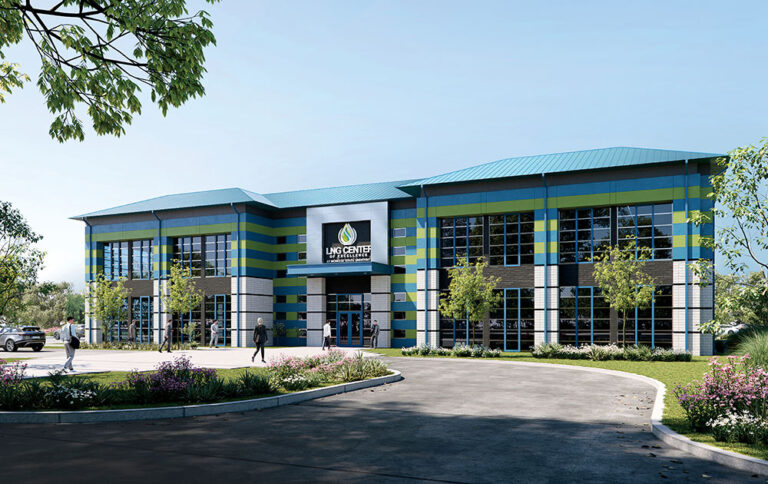
Southwest Louisiana is becoming a powerhouse in the liquefied natural gas industry (LNG), and McNeese State University is at the forefront of ensuring the region has the skilled workforce and cutting-edge knowledge to maintain this momentum.
The LNG industry has become a cornerstone of economic growth in the region. With its strategic location along the Gulf Coast and access to key shipping routes, the region has attracted billions of dollars in investments from leading energy companies. These investments have led to the establishment of state-of-the-art LNG facilities, such as Cheniere’s Sabine Pass plant and Sempra’s Cameron LNG terminal.
Liquefied Natural Gas Industry: A Job Generator
The economic benefits of the LNG industry are transformative. The LNG industry has created thousands of jobs in Southwest Louisiana, both in construction and permanent positions. The Cameron facility alone created more than 6,000 construction jobs during its peak and continues to support hundreds of permanent positions. Additional economic benefits include tax revenue for local governments and infrastructure investment in roads, ports and utilities.
“The three operating LNG facilities in Southwest Louisiana have invested over $34.5 billion to date,” says Jason French, former executive director of the McNeese LNG Center of Excellence, which is opening a new facility in 2025.
“To put that amount in perspective, it is enough money to build multiple NFL stadiums in America. LNG has presented a generational opportunity for regional economic growth, has created and supported thousands of jobs and has put Lake Charles on the map as the global epicenter of LNG. The massive size of the LNG investment has helped drive support industries and other energy-transition projects to Southwest Louisiana, as well.”

Strategic Role in Industry’s Growth
McNeese State has positioned itself as a crucial partner in supporting the LNG industry’s growth. Recognizing the burgeoning industry’s needs, McNeese has made significant investments in LNG education and research, demonstrating its commitment to both economic growth and responsible energy production.
In 2022, McNeese launched the nation’s first undergraduate certificate program in LNG. This innovative program equips students with a comprehensive understanding of the LNG value chain, from production and liquefaction to transportation and regasification. The curriculum covers key areas such as LNG technology, safety protocols, environmental regulations and economic considerations.
“Our job as a regional university is to develop the future workforce of our region,” says Dr. Wade Rousse, McNeese State University president. “Corporate partnerships are essential to make certain that we get the feedback necessary to keep our curriculum current and develop relationships to ultimately get our graduates career opportunities.”
McNeese was recently named the site of the National Center of Excellence for Liquefied Natural Gas Safety by the U.S. Department of Transportation. The Lake Charles campus will serve as a national hub for research, workforce training, and collaboration among federal regulators, industry leaders, and academic experts. The new center will share space with McNeese’s new state-of-the-art, 23,000-square-foot LNG research facility, currently under construction with federal and private support.
Researchers at the center will delve into critical areas like optimizing LNG production processes, enhancing safety measures and minimizing environmental impacts.

Meaningful Opportunities for Students
“It is important that Southwest Louisiana, the community that hosts the most LNG production in the United States, benefits from this globally significant industry,” French says. “The center and its partners will ensure we are creating meaningful opportunities for Louisiana students and that McNeese and Lake Charles are viewed as thought leaders in the energy transition.”
Once open, the center will include classrooms and industrial-grade training facilities where McNeese students and LNG employees can learn to operate process equipment in a safe environment. The center will host industry conferences, seminars and media events. In addition, the center will serve as a repository for best practices and a platform for knowledge sharing.
By fostering collaboration, McNeese aims to promote innovation in the LNG sector. This partnership will have far-reaching and lasting benefits for the region, including future job creation, economic diversification, educational opportunities and community development.
“If we do our jobs correctly, we will develop a workforce that will attract more investment in our region,” Rousse says. “It takes both labor and capital to grow an economy. If we are producing capable labor, we believe capital will continue to be drawn to our region.”