
New Mexico’s Rural Areas Support the Film Industry
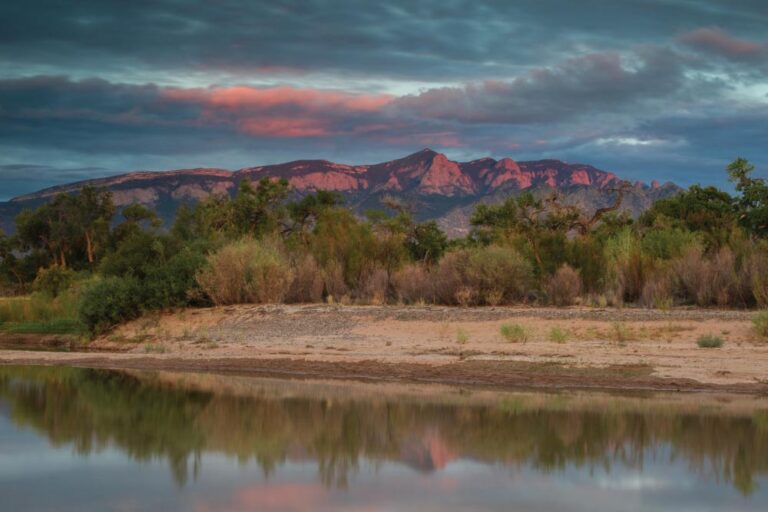
New Mexico has long been a haven for filmmakers, offering spectacular views, hardworking communities and tax incentives that allow film productions of all budget levels to get their feet off the ground.
In addition to the longstanding film hubs of Albuquerque and Santa Fe, the Land of Enchantment’s rural areas provide unique resources of their own. For these communities, bringing a film to town is an exciting and memorable experience of which they can be proud.
In This Article
Film History
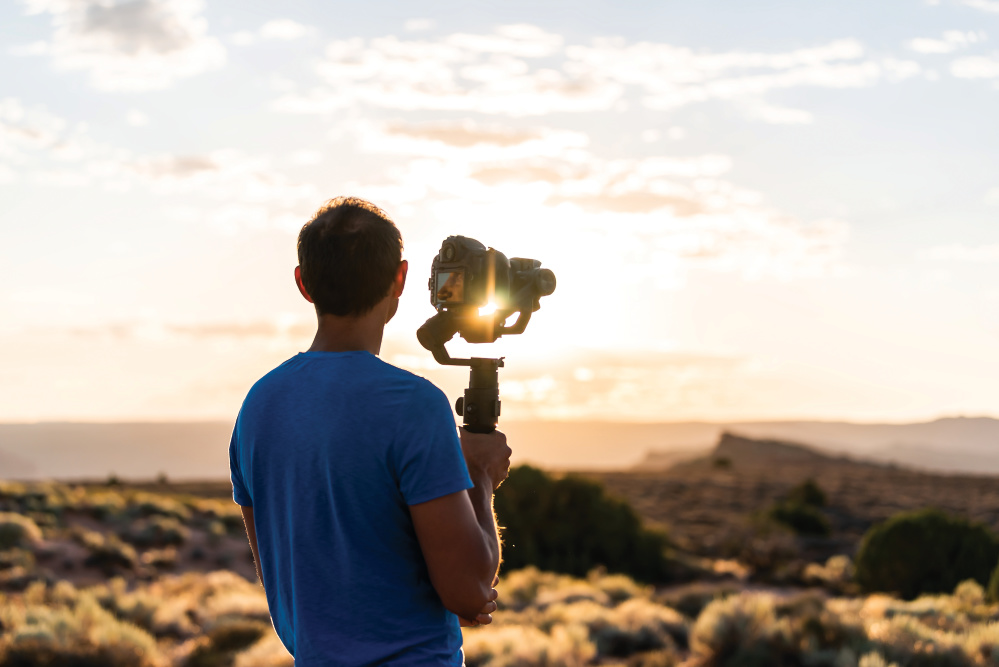
New Mexico’s film history stretches back to the 1800s, when the Edison Co. and director James H. White shot a 50-second documentary short titled Indian Day School in Isleta Pueblo. The film sparked a long history of New Mexico film productions including massive tentpole features like The Avengers, beloved television series Breaking Bad and Better Call Saul, and sweeping historical dramas like Oppenheimer.
“The film industry has just been growing ever since,” says Adrian Gomez, outreach program coordinator for the New Mexico Film Office.
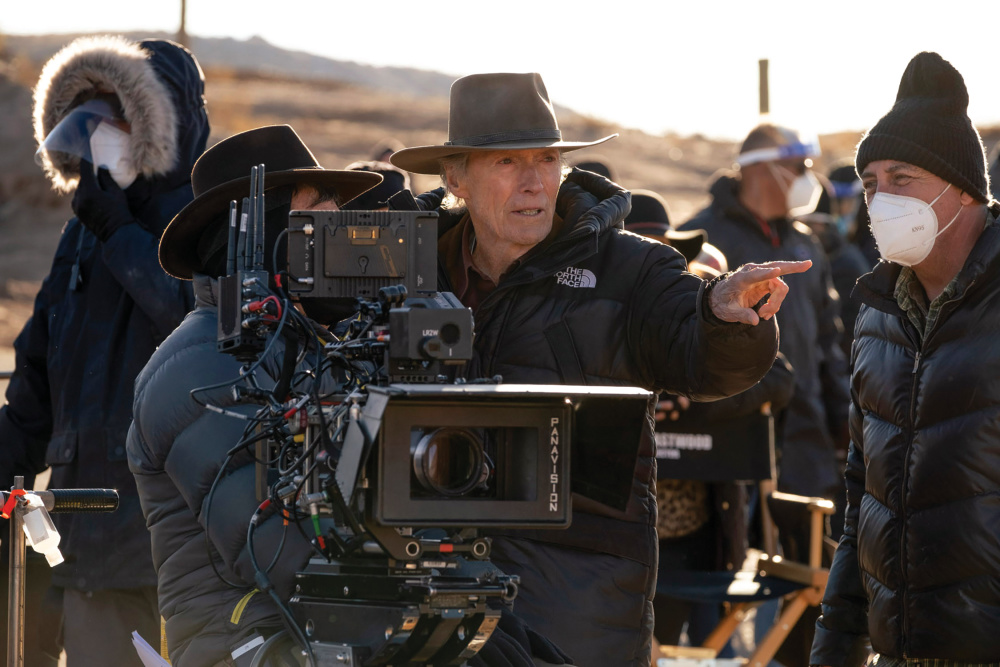
The New Mexico Film Office was the first of its kind established in the U.S. Founded in 1968, it is the longest-running film commission in the country. Today, the New Mexico Film Office’s goal is to keep New Mexicans working. With a database of 60,000 crew members of all disciplines, the state is continually production-ready.
“We’re a crew that’s world-class,” Gomez says.
Rural Resources
Film productions have touched every corner of the state, from the metropolitan to the rural. Filled with small, historic towns and a rich cultural history, New Mexico offers a range of landscapes and resources for film productions to explore. To help connect filmmakers with communities across the state, the New Mexico Film Office established a Film Liaison Network that includes representatives in counties, municipalities and pueblos across the state.
“The film liaisons are our eyes on the ground,” Gomez says.
For Jeff Padilla of Rio Arriba County, serving as a film liaison means using his background in the film industry to help connect filmmakers with the resources they need. Whether picking up breakfast burritos from a cousin’s store or helping source a diesel generator, Padilla and other liaisons are ready and willing to help.
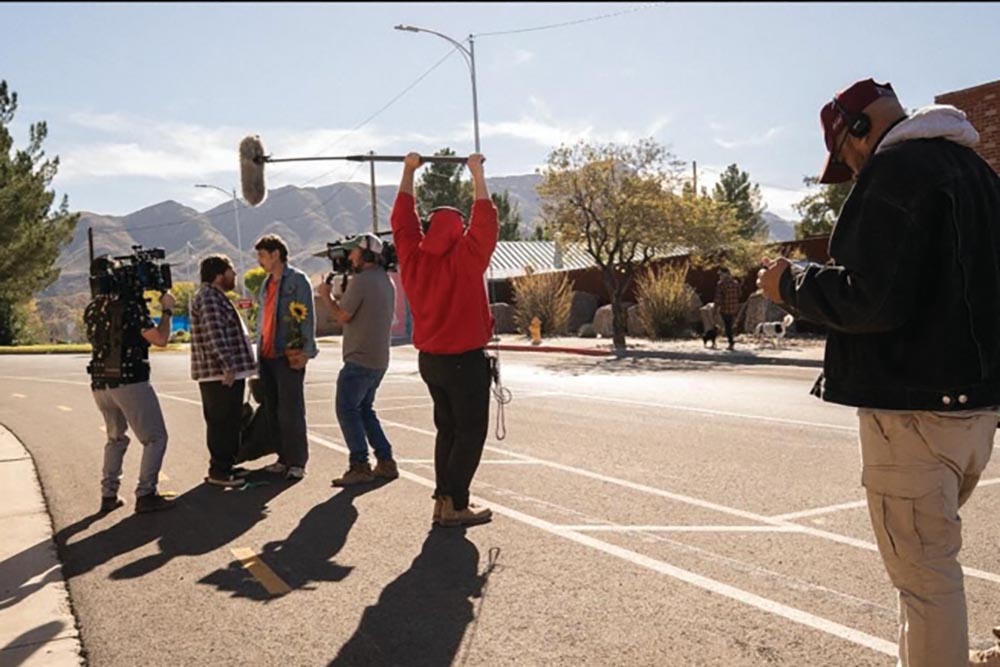
“I wanted to just offer my knowledge of the film industry and of Northern New Mexico where I was born and raised for free to my community to help spur economic development,” Padilla says.
Rio Arriba County is home to historic communities like Chama, whose unique blend of Mexican, Spanish and Native American culture – along with the beautiful Rio Chama, Cumbres and Toltec Scenic Railroad, and the Rocky Mountains – make this area a unique treasure.
Films like Robert Redford’s The Milagro Beanfield War, comedy Tortilla Heaven and Showtime series The Curse feature Rio Arriba County’s natural beauty while creating memorable experiences for locals who still talk about their time as extras or crew members on the films.
“There are beautiful places throughout Rio Arriba County to film that may fit into your storyline,” Padilla says.
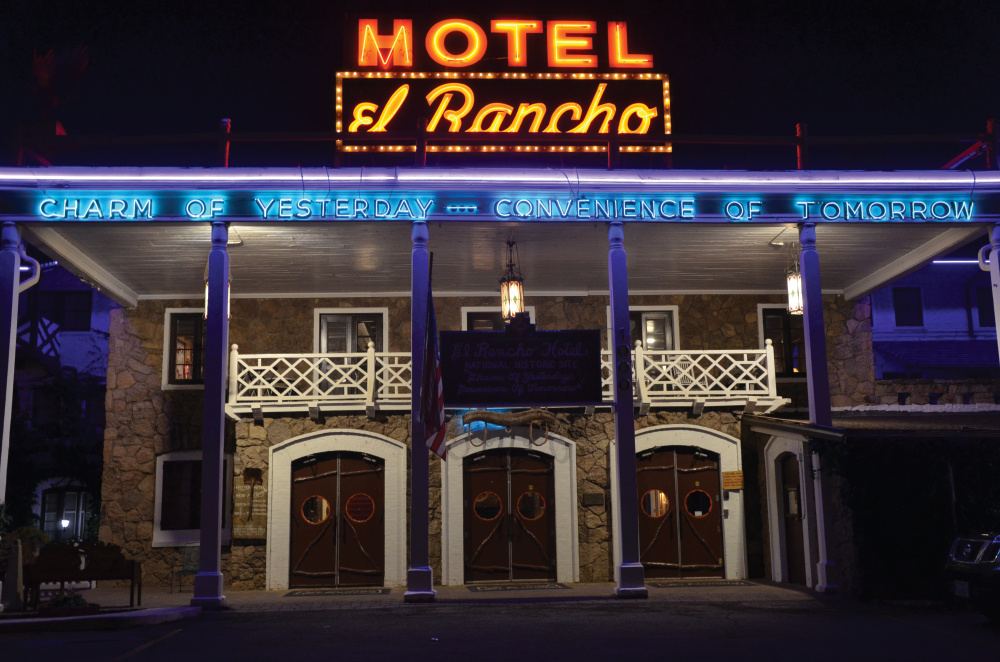
Other rural areas from Gallup to Socorro have welcomed productions of all sizes throughout the years. In the south, film liaisons helped turn downtown Truth or Consequences into the town of Eddington for Ari Aster’s thriller Eddington. The Very Large Array – a radio astronomy observatory outside of Socorro – was the ideal location for the sci-fi classic Contact. Further north, Gallup’s central location off iconic Route 66 and the historic El Rancho Hotel have made it a hub for Hollywood greats like John Wayne, Humphrey Bogart and Katharine Hepburn and, more recently, parts of the AMC series Dark Winds.
“It truly is magic how it all comes together,” Gomez says.
An Independent Future
With a “no minimum spend” on film productions and up to 40% tax incentives in areas outside the Albuquerque and Santa Fe zones, filmmakers of all levels have more reason than ever to take advantage of what the state has to offer. As the industry experiences fluctuations in cost and technology, New Mexico strives to create a space for students and independent filmmakers to hone their craft.
“The future of the film industry is going to lean heavily on independent productions,” Padilla says.
“Tentpoles will come and go as they have always done, but I think it’s independent filmmaking and people like that who keep the film industry going,” Gomez says.
From the red rocks and dense forests of the north to the deserts of the south, movie magic waits to be ignited in the Land of Enchantment.
New Sound Stages Expand the New Mexico Film Market
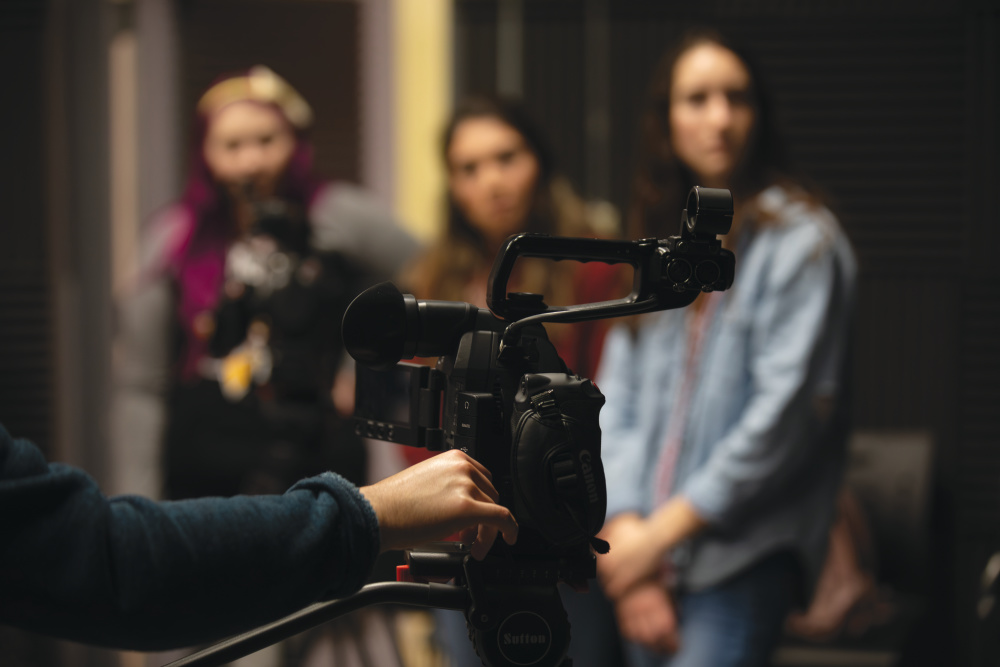
For film productions across New Mexico, sound stages allow film crews to take advantage of the best of both worlds. Within easy access to the visually stunning, diverse landscapes of New Mexico are climate-controlled sound stages that allow an even greater number of locations to be created and filmed.
The state already boasts a number of sound stages from north to south, including Netflix Studios in Albuquerque, Camel Rock Studios near Santa Fe and now the upcoming Arrowhead Studios in Las Cruces.
Arrowhead Studios is designed to boost the Southern New Mexico film market, says Adrian Gomez, outreach program coordinator for the New Mexico Film Office.
The 36,400-square-foot studio complex will be located on the New Mexico State University’s campus in Las Cruces, including a 20,000-square-foot sound stage. The studio was developed in partnership with NMSU’s Arrowhead Center and Doña Ana Community College to be a production hub and a center for hands-on training and education in film production.
The studio will also fill a gap in sound stages around Southern New Mexico, adding to the existing studios in the central and northern parts of the state. Film productions can take advantage of the sparse desert environments and historic small towns in the southern part of the state while still being in proximity to the upcoming sound stages in Las Cruces.
Arrowhead Studios is set to open in 2026, taking film production in New Mexico to the next level and setting the stage for even more film productions to call New Mexico home.
Get to Know New Mexico
Want to learn more about living and working in New Mexico? Check out the latest edition of Livability New Mexico Economic Development.