
Agribusinesses Have Sewn Deep Roots Around Casper, Wyoming
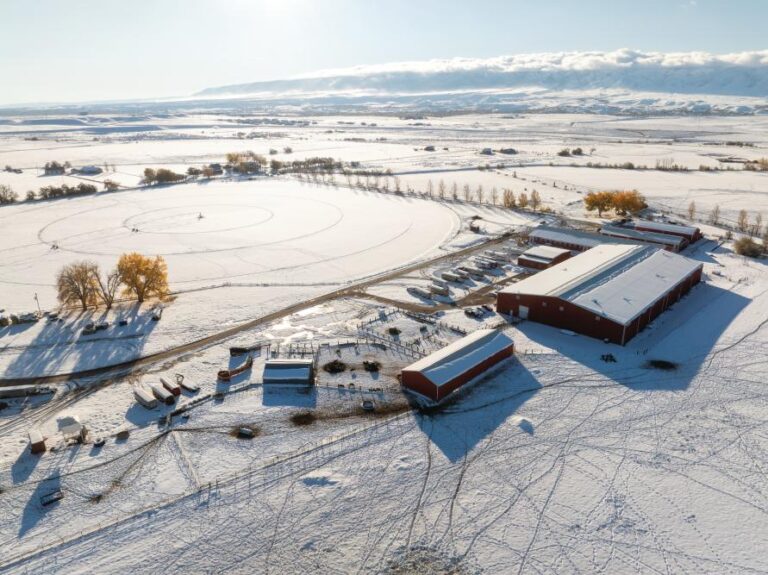
With its rich agricultural tradition, Wyoming is a prime location for agribusinesses of all kinds. Casper has grown into a hub for agribusiness, bolstered by agriculture-focused educational programs and a tight-knit community of entrepreneurs.
As the third-largest industry in Wyoming, agriculture has a widespread impact on communities like Casper and beyond.
In This Article
Educating Entrepreneurs
Since its founding in the late 1800s, Casper has embraced agriculture as a vital industry, from early homesteaders using the North Platte River for irrigation to ranchers grazing cattle on the region’s arid terrain. Casper’s higher education institutions have long treasured the city’s agricultural roots and are helping grow the next generation of entrepreneurs through highly focused curriculums. As a land grant university, the University of Wyoming at Casper was founded for this very purpose.
“Since agriculture is one of the most important industries in Wyoming’s economy, the University of Wyoming places a special emphasis on this area,” says Jedidiah Hewlett, UW Agriculture and Natural Resources Extension Educator.
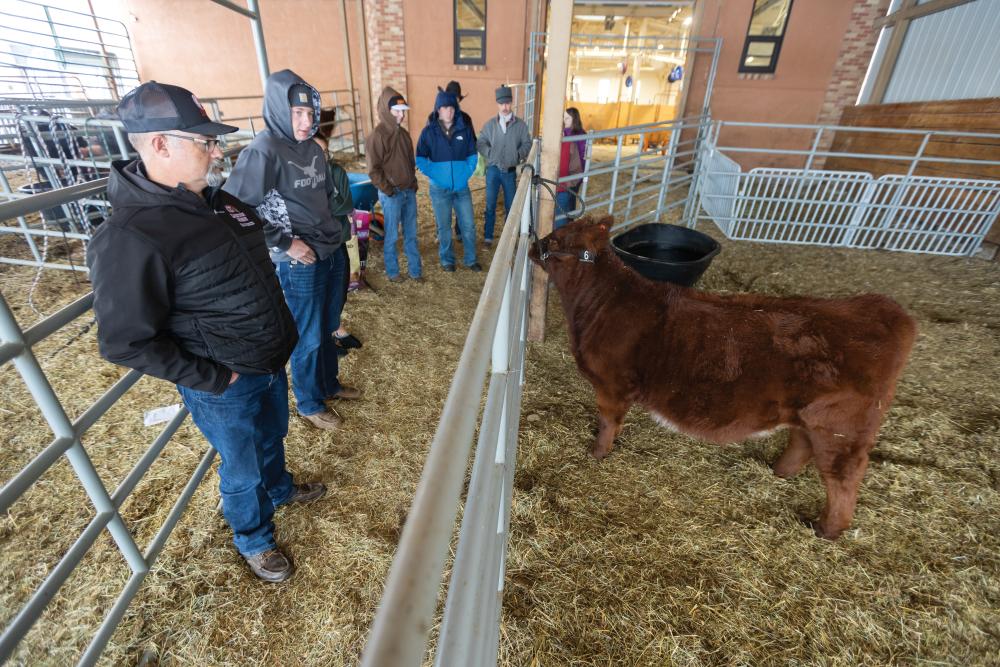
The University of Wyoming at Casper, located in Casper College, and UW Extension offer educational programs to help build a community of agricultural leaders. From undergraduate certificates at UW Casper to 4-H programs and lifelong learning opportunities through UW Extension, there are opportunities for agriculture students of all ages.
“These opportunities are critical for students seeking to enter the agricultural workforce,” Hewlett says. “Agriculture, like many other industries, is experiencing continuous change and growth.
The University of Wyoming seeks to aid students to keep pace with and succeed in this ever-changing environment.”
Casper College’s degree programs aim to support the next generation of agricultural workers. Associate degrees in agribusiness, agriculture and agricultural communication, as well as a one-year certificate program in ranch and agritourism management, help set students up for success in their chosen field.
“We find it is very important to educate the next generation of agriculturalists because we’ve seen too many farms, ranches and other businesses fail due to a lack of business management principles,” says Heath Hornecker, agriculture instructor at Casper College. “We hope to change this and empower the next generation with wise business skills.”
Supporting Local Growers
For Chef Leah Burback, owner of Heirloom & Native, Casper was an ideal place to start an agribusiness due to its agricultural roots and community enthusiasm for locally grown foods.
Heirloom & Native began as a small commissary kitchen that prepared veggie boxes for Eat Wyoming and has grown into a food truck and lunch counter that specializes in Wyoming-grown produce.
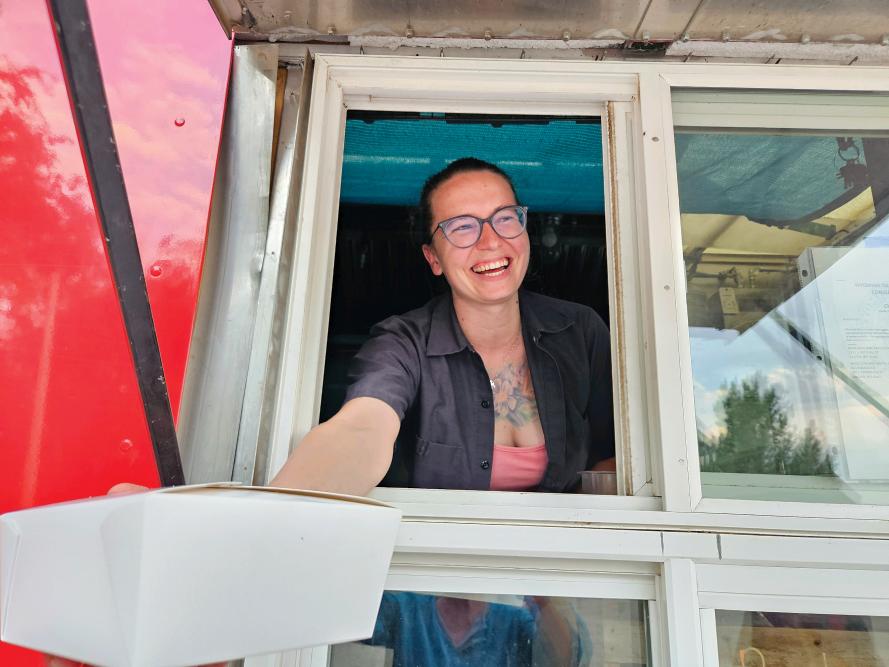
Partnering with local farmers, Heirloom & Native uses unique ingredients like ancient grains from Wyoming Heritage Grains, fruits and vegetables from Moonberry Farms, and meat sourced from local USDA-certified ranches.
“Casper is perfectly located to be able to gather from all over the state and share that with everyone,” Burback says.
Burback comes from a family of ranchers who deepened her understanding of food systems. After moving to Casper, Burback saw a desire in the community to support local growers and an opportunity to educate people further. Heirloom & Native began offering classes to help inform people on Wyoming’s unique crops and how to best prepare them.
“It became more and more apparent that more people wanted to eat local but didn’t have the time or the skills to cook it,” Burback says. “We help fill the gap by bringing prepared foods to people and sharing that story.”
Creating Agritourism Experiences
Another Casper agribusiness blends a passion for music and flowers on a former sheep ranch that spans 100 acres of beautiful Wyoming farmland. The Bloomery, founded by Cathryn Becker, is a new venture on the land that Becker has lived on for 20 years.
Now in its fourth year, The Bloomery offers cut flowers and live music to the Casper community on a beautiful stretch of land which is also home to Becker’s adopted wild horses. The music venue draws up to 300 visitors to each concert and has been a way for Becker to bolster her business by incorporating an agritourism component.
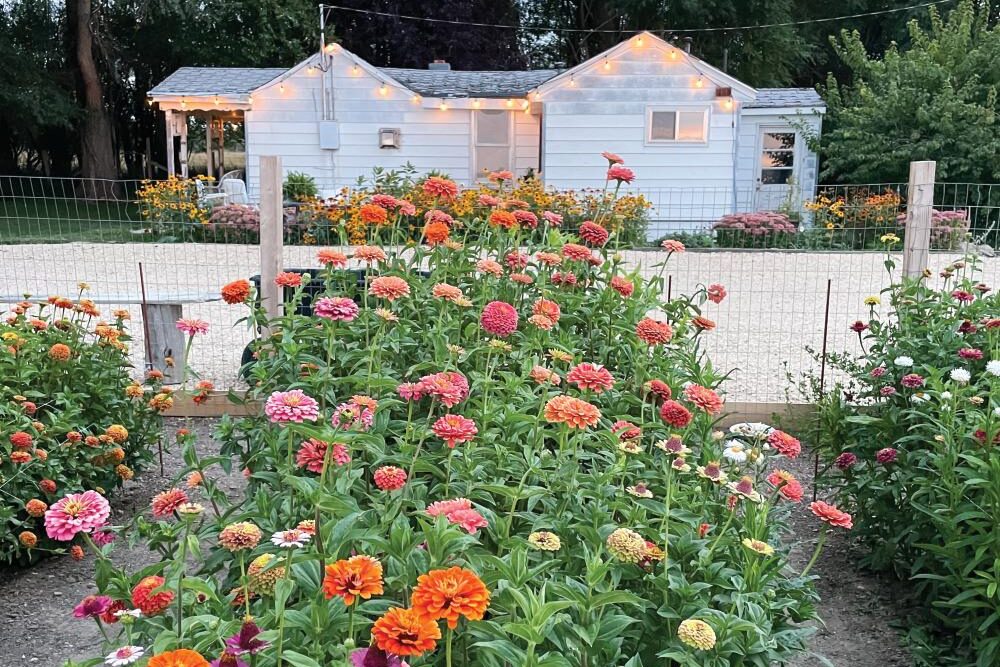
The Bloomery is seated on a National Wildlife Federation Certified Wildlife Habitat, and Becker takes her responsibility toward the land seriously.
“I really feel like Casper is a hidden gem,” Becker says. “I don’t want to lose sight of what makes this place special.”
How a Farm Kid Turned a Lifelong Interest Into a Casper Brewery
Jim Gleason and his wife, Heidi, are the owners and only employees of Stahoo’s Brewery and Taproom. In a renovated building near downtown Casper (with enough room for grain trucks to easily make deliveries), their craft beers reflect their agricultural roots.

How do your personal histories influence your business?
Heidi’s family homestead was in North Dakota, where they ran an egg farm. On my side, my grandfather was a moonshiner during Prohibition, and he talked about it while I was growing up on a farm in Michigan.
My family worked hard and played hard. Polish weddings are a big thing with polka bands and keg beer. They last three days! So, I’ve had a lifelong interest in beer.
Why is the “field to glass” beer-making process significant to you?
It’s important because I know I’m supporting a family farm that puts heart and soul into their work. It’s personal. It’s not an international conglomerate.
My craft malt comes from Montana, and I get unique blends and consistent grains from them. I can put their barley next to a national distributor’s barley, and you can see the difference. The kernels are plumper. These folks can tell you what field it was grown in, how much water was used and when it was harvested.
What should we try when we visit?
We usually have 10 rotating beers on tap, and I’d start with Piwo Grodziskie, a light-bodied, lower alcohol ale. It’s a traditional Polish beer brewed from oak smoked wheat. For people who like a lighter lager, try the Heritage Pilsner. Mine incorporates barley and malted corn.
If you like dark beer, Pa-Ba-Shan Cinnamon Stout has a rich roasted malt with a hint of coffee flavor. The cinnamon won’t overpower you.
Get to Know Casper
Want to learn more about living and working in Casper, WY? Check out the latest edition of Livability Casper, Wyoming.