

Best Charlotte, NC, Suburbs: Where to Live Outside the Queen City
Charlotte may be North Carolina‘s largest city, but many of the region’s most desirable places to live are found beyond the city limits. Surrounding communities offer everything from lakefront living and historic downtowns to master-planned neighborhoods, top-rated schools, and easy access to Charlotte’s major employment centers.
One of the biggest advantages of living in the Charlotte region is variety. Some Charlotte suburbs provide walkable town centers and historic character, while others focus on newer neighborhoods, golf communities, and family-oriented amenities. Whether you’re searching for a small-town atmosphere, a highly rated school district, or more space than you can find closer to Uptown, the Charlotte metro area offers a suburb to match nearly every lifestyle.
Here are some of the best Charlotte suburbs to consider.
Charlotte’s Suburban Landscape
Unlike many metropolitan areas that grew outward from a single downtown core, Charlotte’s suburban development has occurred in multiple directions. Communities north of the city often center around Lake Norman, while southern suburbs have become popular with families seeking newer homes and highly regarded schools. East of Charlotte, growing communities continue to attract residents looking for value and convenience, while western suburbs combine small-town charm with access to both Charlotte and the airport.
This diversity allows homebuyers to prioritize what matters most, whether that’s lake access, walkability, schools, commute times, or housing options.
Best Charlotte Suburbs (Editor’s Picks)
Huntersville
Located about 15 miles north of Uptown, Huntersville has become one of the Charlotte region’s most popular suburban communities. Its location near Lake Norman gives residents access to boating, fishing, and waterfront recreation, while Interstate 77 provides a direct route into Charlotte.
Huntersville balances residential growth with extensive amenities. Birkdale Village is one of the area’s most recognizable mixed-use destinations, combining shopping, dining, and entertainment in a walkable environment. Families are also drawn to the area’s parks, greenways, and youth sports programs.
Many residents appreciate that Huntersville offers suburban convenience without feeling disconnected from the city. The community continues to attract professionals who work in Charlotte but want larger homes, more green space, and access to outdoor recreation.
Davidson
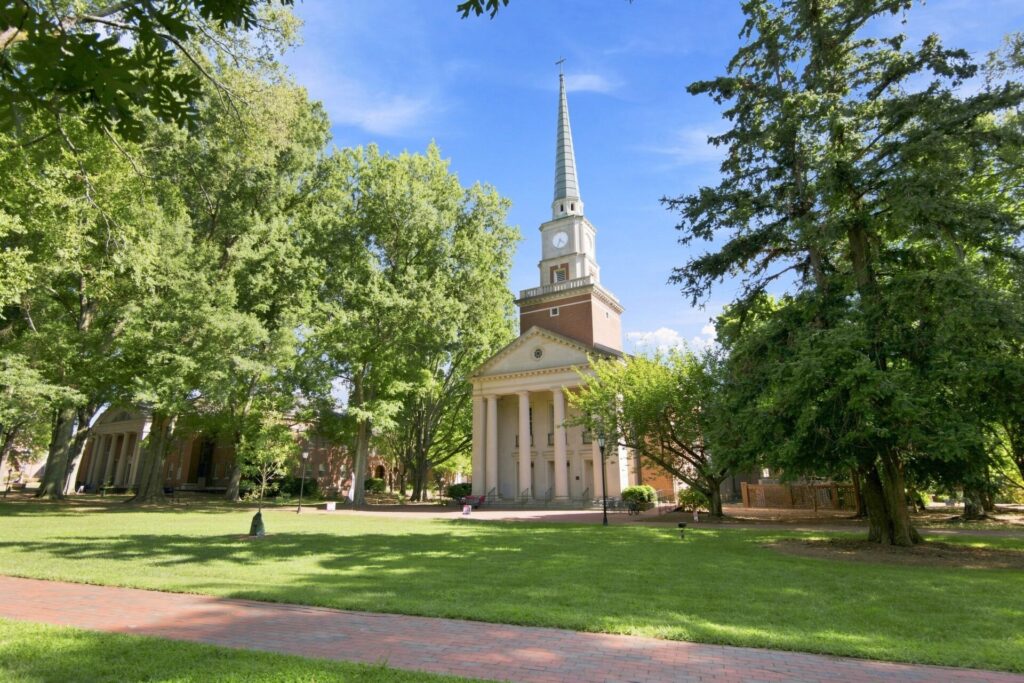
Davidson consistently ranks among the most desirable communities in the Charlotte region, and much of its appeal comes from its distinctive sense of place.
Home to Davidson College, the town maintains a walkable downtown filled with locally owned restaurants, coffee shops, and boutiques. Historic architecture, tree-lined streets, and a strong commitment to preserving community character help distinguish Davidson from many rapidly growing suburban communities.
Residents often describe Davidson as having a small-town atmosphere despite its proximity to one of the Southeast’s largest cities. The community hosts regular events, farmers’ markets, and cultural programming that contribute to a strong sense of connection.
For buyers seeking walkability, charm, and a highly educated population, Davidson remains one of the region’s standout choices.
Cornelius
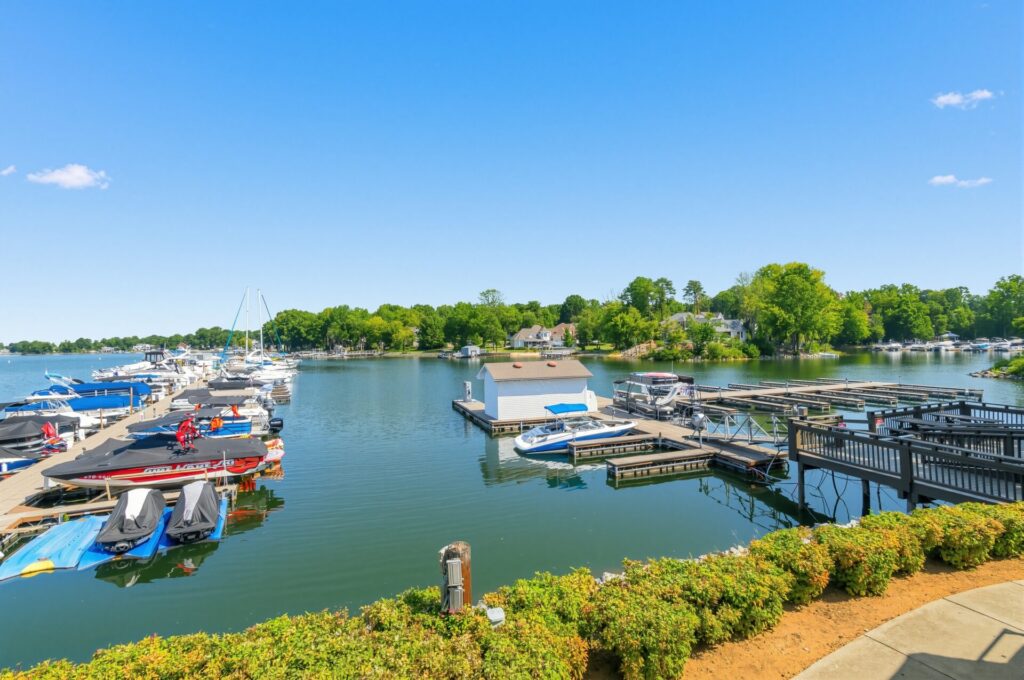
Situated along Lake Norman‘s eastern shore, Cornelius attracts residents who want to incorporate water recreation into everyday life.
Marinas, waterfront parks, and lakeside dining are woven into the community’s identity. Yet Cornelius offers more than lake access. The town has experienced significant growth over the past two decades and now provides a broad mix of housing options, shopping centers, and local businesses.
Its location between Huntersville and Mooresville also provides residents with access to a broader network of amenities throughout the Lake Norman region.
Many newcomers find that Cornelius delivers a unique combination of suburban convenience and recreational opportunities that can be difficult to replicate elsewhere in the Charlotte metro area.
Mooresville
Known as “Race City USA” for its ties to the motorsports industry, Mooresville has evolved into one of the Charlotte area’s most dynamic suburbs.
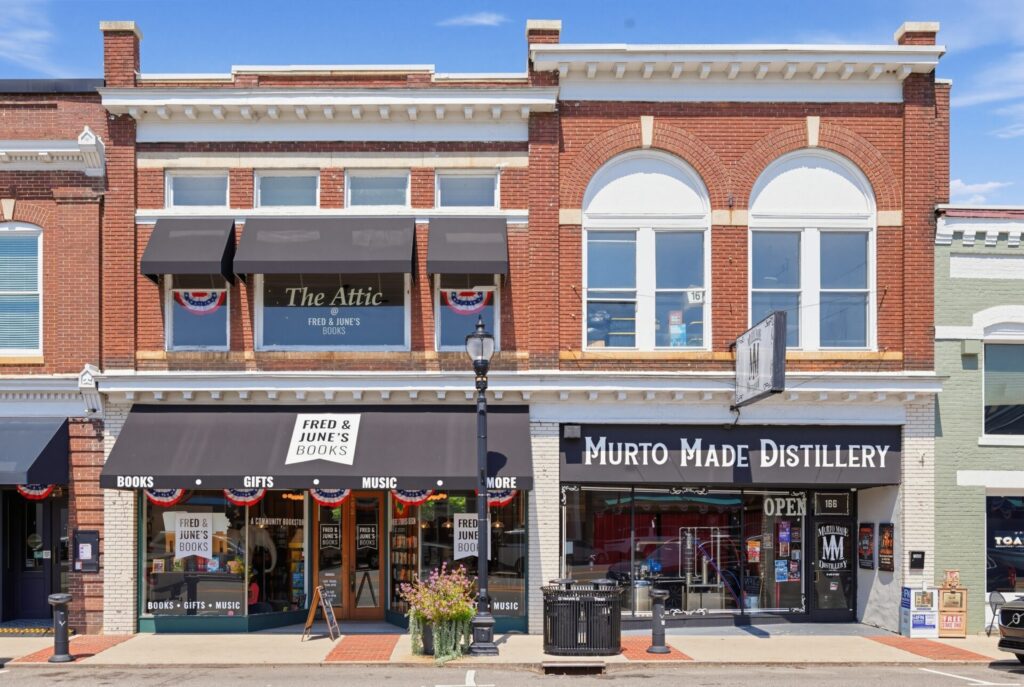
Located about 30 miles north of Uptown, the community offers a mix of historic neighborhoods, newer developments, and extensive access to Lake Norman. Its growing downtown district provides local restaurants, breweries, and community events, while major employers continue to support economic growth throughout the area.
Mooresville’s location appeals to residents who want more space and a slightly slower pace of life while remaining connected to the broader Charlotte economy.
The combination of employment opportunities, recreation, and housing variety continues to attract families and professionals alike.
Matthews
Matthews combines historic character with suburban convenience.
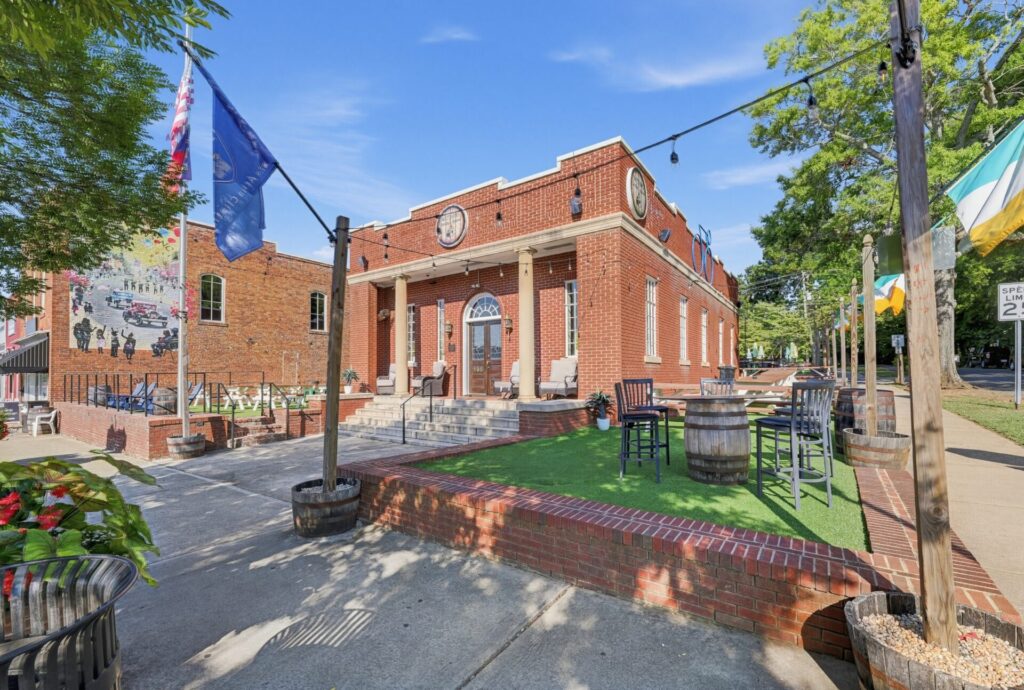
Located southeast of Charlotte, the town’s revitalized downtown serves as a community gathering place, hosting farmers’ markets, festivals, and local events year-round. Independent businesses, restaurants, and civic spaces create a walkable environment that many residents find appealing.
Beyond downtown, Matthews offers established neighborhoods, parks, and greenways that contribute to its family-friendly reputation.
Its location provides convenient access to both Uptown Charlotte and major employment centers throughout Mecklenburg County, making it particularly attractive for commuters.
Mint Hill
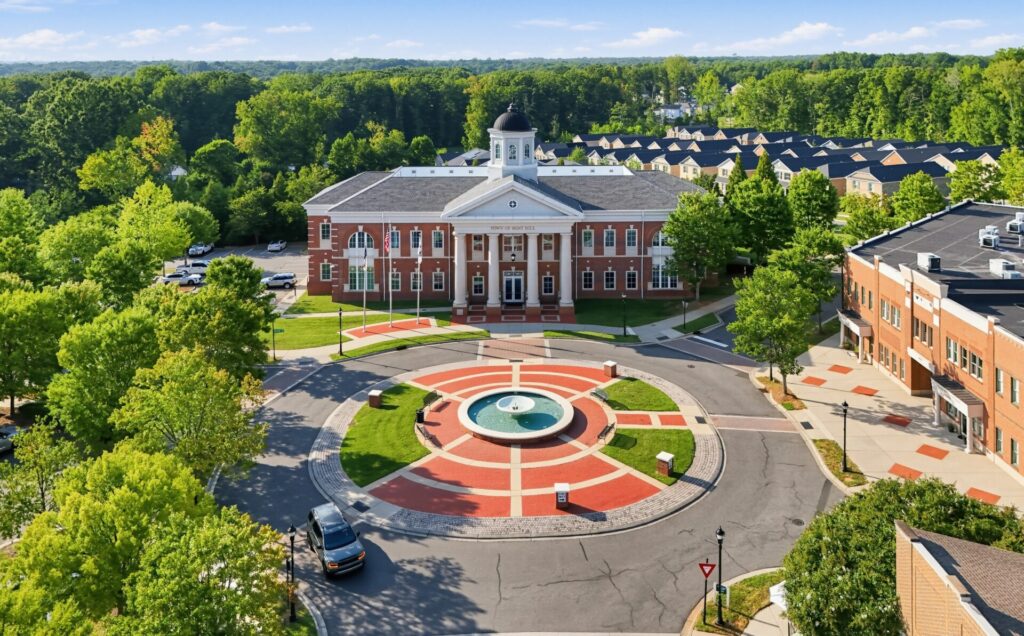
Mint Hill has managed to preserve much of its small-town atmosphere despite continued growth throughout the Charlotte region.
Residents often choose Mint Hill for its larger lots, quieter neighborhoods, and slower pace. At the same time, shopping centers, restaurants, and everyday services remain easily accessible.
The community’s commitment to maintaining green space and local identity has helped it stand apart from more densely developed suburban areas.
For buyers seeking additional room to spread out without sacrificing convenience, Mint Hill remains a compelling option.
Waxhaw
Few Charlotte-area suburbs have experienced growth quite like Waxhaw.
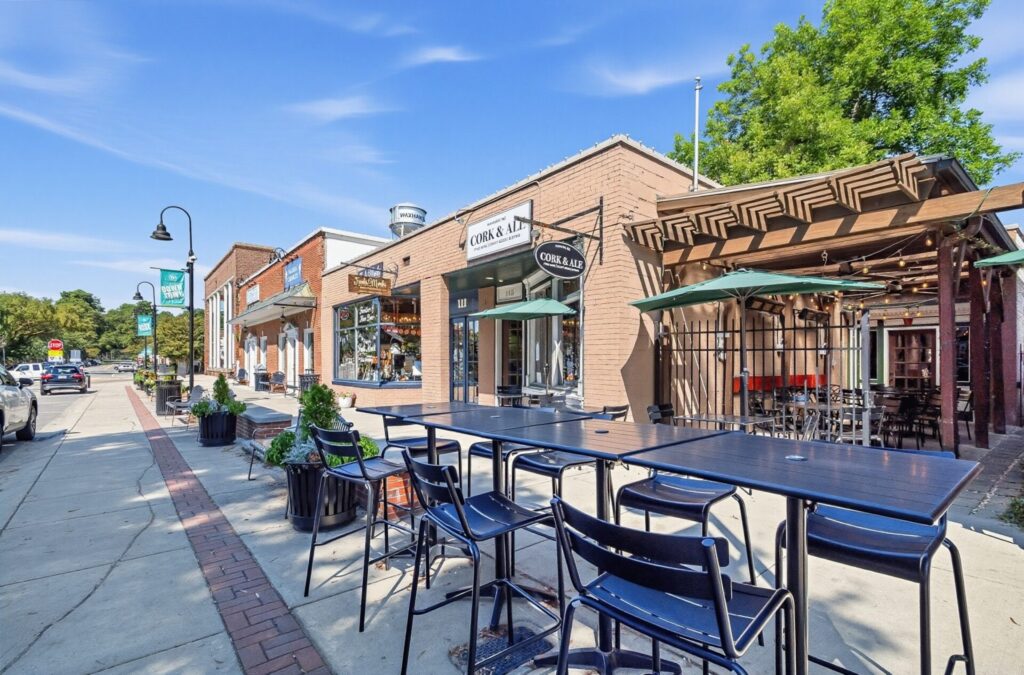
Located south of Charlotte near the South Carolina border, Waxhaw has become one of the region’s fastest-growing communities. Much of that growth is driven by families attracted to larger homes, newer neighborhoods, and a charming downtown district that has retained much of its historic character.
Local shops, restaurants, and community events create a strong sense of place, while nearby parks and recreation opportunities support active lifestyles.
Despite rapid development, Waxhaw continues to feel distinctly separate from Charlotte, a characteristic many residents view as one of its greatest strengths.
Fort Mill, SC
Although technically located in South Carolina, Fort Mill functions as one of Charlotte’s most important suburban communities.
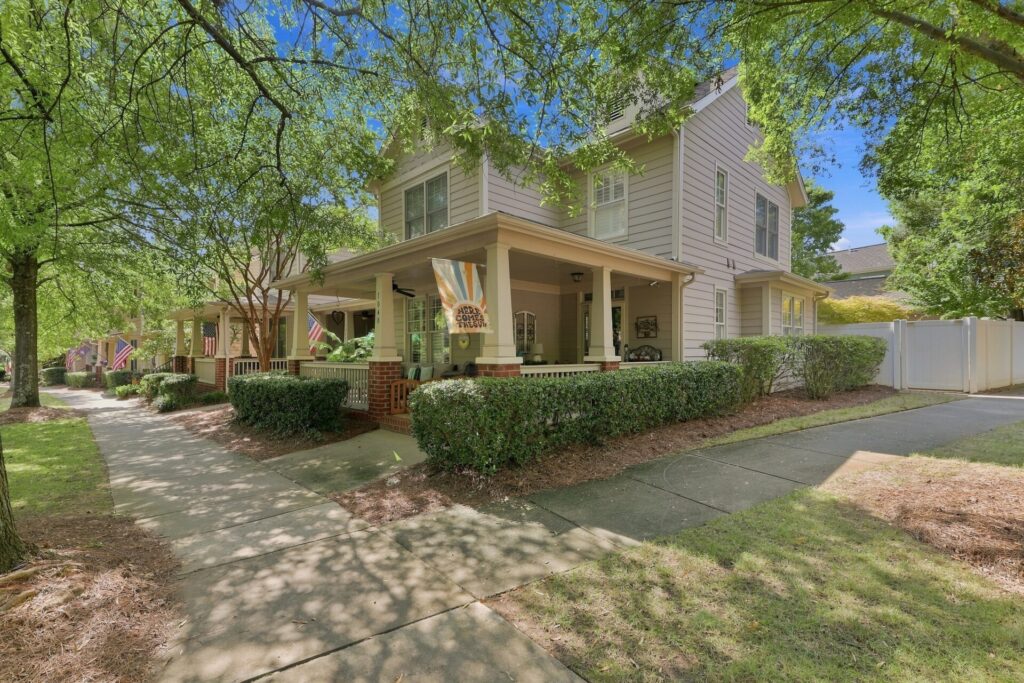
Many residents commute to jobs in Charlotte while enjoying Fort Mill’s highly regarded schools, extensive parks system, and growing collection of restaurants and retail destinations.
The community has experienced substantial growth in recent years, particularly around areas such as Kingsley Town Center and Baxter Village, which combine residential neighborhoods with walkable commercial districts.
For families evaluating both North and South Carolina, Fort Mill frequently appears near the top of the list.
Belmont
Located west of Charlotte along the Catawba River, Belmont has become increasingly popular among buyers seeking historic charm and a walkable downtown.
The community’s revitalized downtown district includes restaurants, breweries, boutiques, and public gathering spaces that contribute to a strong sense of identity. Belmont Abbey College adds another layer of character to the community.
Its proximity to Charlotte Douglas International Airport also appeals to frequent travelers and professionals whose work requires regular flights.
Belmont’s combination of history, walkability, and location continues to attract new residents.
Harrisburg
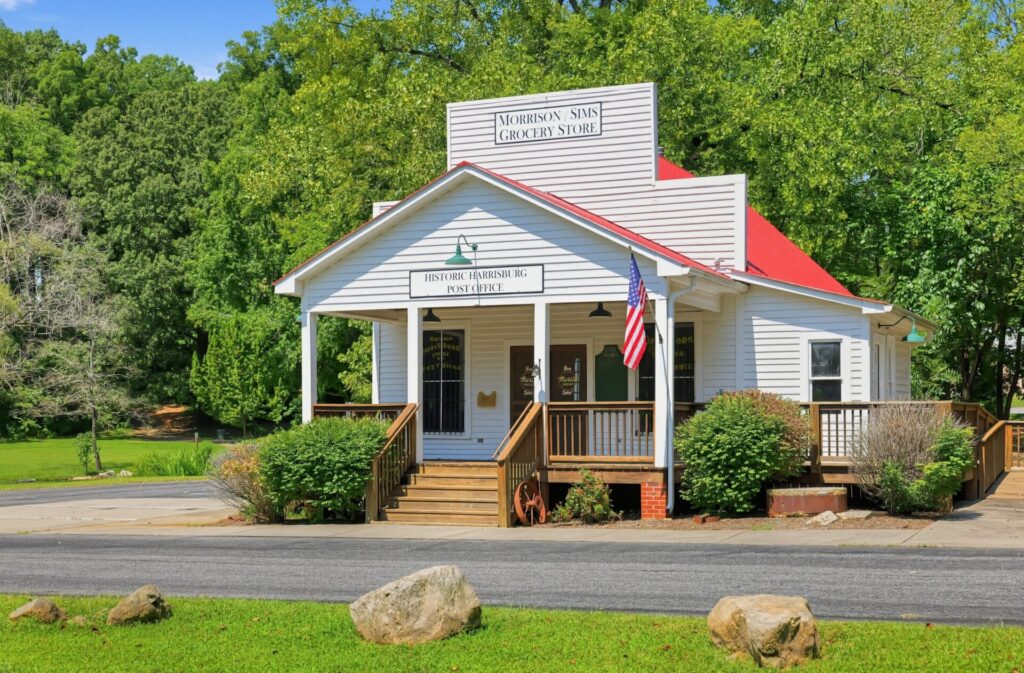
Harrisburg has emerged as one of the Charlotte region’s fastest-growing suburbs, particularly among families.
Located northeast of the city, the community offers newer neighborhoods, parks, and convenient access to employment centers throughout both Mecklenburg and Cabarrus counties.
Many residents are drawn to Harrisburg for its newer housing stock and suburban lifestyle, while still being relatively close to Uptown Charlotte.
Continued residential and commercial growth suggests the community will remain a popular choice for years to come.
Which Charlotte Suburb Is Right for You?
The best Charlotte suburb depends largely on your priorities.
| If You Want… | Consider |
|---|---|
| Lake Norman access | Cornelius, Huntersville, Mooresville |
| Walkable downtown charm | Davidson, Belmont, Matthews |
| Newer master-planned communities | Waxhaw, Fort Mill, Harrisburg |
| Historic character | Davidson, Belmont, Matthews |
| Family-oriented amenities | Fort Mill, Huntersville, Waxhaw |
| Larger lots and quieter living | Mint Hill, Waxhaw |
| Easy airport access | Belmont |
| College-town atmosphere | Davidson |
Why Charlotte’s Suburbs Continue to Grow
Charlotte’s suburbs have become destinations in their own right.
Many offer strong local economies, vibrant downtown districts, extensive park systems, and housing options that appeal to a wide range of buyers. Residents can often enjoy the advantages of suburban living without giving up access to Charlotte’s employment opportunities, cultural amenities, and entertainment.
Whether you’re drawn to the waterfront lifestyle of Cornelius, the walkable charm of Davidson, the family-friendly atmosphere of Fort Mill, or the historic character of Belmont, the Charlotte region offers suburban communities that provide far more than a place to sleep at night.
For many residents, that’s exactly what makes life outside the Queen City so appealing.
Charlotte Suburbs Map
Note on imagery: Images marked “AI Generated” are visuals to illustrate the neighborhood homes, atmosphere and architectural style. To protect homeowner privacy, these images are artistic representations and do not depict specific existing properties.