
Growers and Civic Leaders Work Together to Expand Markets for Pueblo Chiles
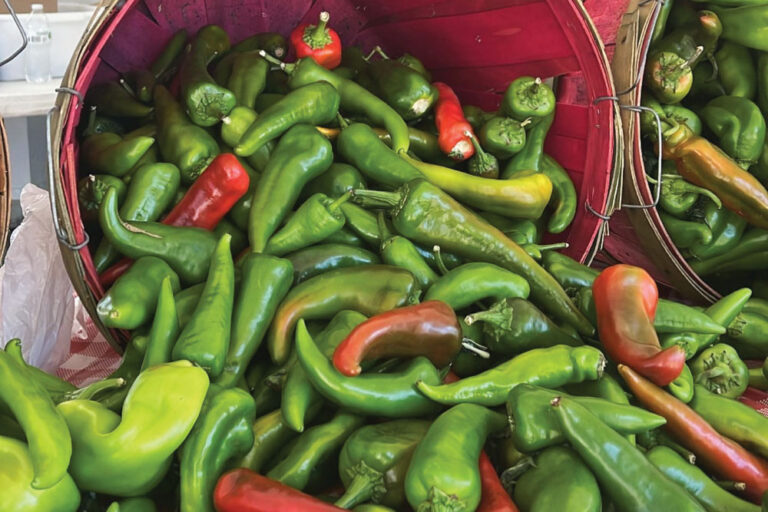
Chef and restaurateur Dave Query has been enamored with the Southwestern style of cooking for 40 years. The owner of Big Red F Restaurant Group, with 13 locations spanning from Fort Collins to Colorado Springs, says he primarily purchased Hatch and Chimayo chiles for his restaurants, until he started spending more time in Southern Colorado.
“When I was down there, I found myself eating more Pueblo chiles, and the difference between a Hatch and a Pueblo is just mind-blowing,” Query says.
A Pueblo chile’s thicker flesh helps it hold its structure after roasting.
“For making chile rellenos, for putting a big slab of green chile on top of a burger, for stuffing, grilling and the process of roasting, it’s just a sturdier chile,” Query says. “It’s also a categorically hotter chile, so you have this sturdy, thick-walled chile that has better heat. And it’s from Colorado.”
Query wanted Pueblo chiles on his menus but found they weren’t readily available commercially in large quantities. That’s changed, largely because of efforts to significantly expand the reach of Pueblo chiles.
Telling the Story
A U.S. Department of Agriculture Specialty Crop Block Grant in 2016 helped the Greater Pueblo Chamber of Commerce support the formation of the Pueblo Chile Growers Association. Grower Shane Milberger, founder of Milberger Farms, is a founding member.
“The association was created to increase the footprint of Pueblo chiles outside of our county, and they’ve done a good job,” says Milberger, who farms 400 acres with about 90 acres devoted to chile production.
Technically, Pueblo chiles are any peppers grown in the region, although consumers seeing a “Pueblo chile” label are typically encountering the Mirasol variety. Hot summers, rich soils and a dry climate help produce a chile ranging from 5,000 to 20,000 Scoville heat units, according to the Pueblo Chile Growers Association.
The 2016 USDA Specialty Crop Block Grant helped establish Pueblo chile as a brand, says Donielle Kitzman, vice president at the Greater Pueblo Chamber.
“The chamber believes the Pueblo chile is not only an economic driver for our community, but part of the fabric and story of Pueblo,” Kitzman says. “It makes us unique.”
She says the initial grant helped build consumer awareness of the Pueblo chile, but the Growers Association and chamber leaders believed the commercial food industry held vast potential for growth.
“We needed to look at where the economic impact would be, and that was restaurants and commercial kitchens,” Kitzman says.
A second USDA Specialty Crop Block Grant helped the organizations focus on wholesale food distributors, restaurants, culinary professionals and others in the commercial food industry. Six new wholesale food distributors were brought on during the grant cycle, including the distributor supplying Big Red F Restaurant Group.
Pioneer in Processing
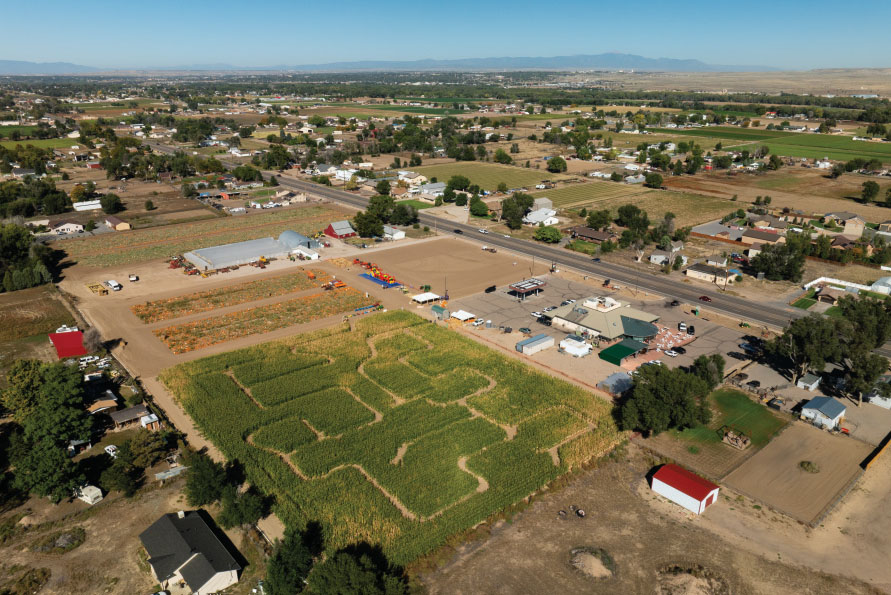
At one of Query’s restaurants, Pueblo green chiles from Milberger Farms are a menu item.
“When you call out a specific farm, it just gives the item more credibility and authenticity, and it helps the farm build its brand,” Query says. “Curious food people will do their own research, and maybe next time they’re in Pueblo, they will stop by.”
Foodies visiting the Milberger Farms market will find fire-roasted chiles year-round, along with seasonal produce and other products. Milberger and fellow grower Pete Giadone were pioneers in developing ways to roast, package and freeze Pueblo chiles for year-round enjoyment.
“We were trying to create a value-added product and expand our markets,” says Milberger, who started with one roaster and a 6-foot-by-6-foot freezer.
These days, Milberger has nine roasters operating eight hours a day, six days a week in peak season. The majority of the frozen chile products they process are sold to the food service industry.
“Sales of the Pueblo chile have increased astronomically for all growers in Pueblo County,” Milberger says. “Donielle, her team and these grants are helping to get us out there beyond our area.”
And Query is helping spread the word. “There are just some foods from certain parts of the country that are superior, and I think the Pueblo chile falls into that category. It’s an outstanding, well-designed green chile from the powers that be, and I love them.”
Fired Up for the Fest
Grower Shane Milberger points to creation of the Pueblo Chile & Frijoles Festival as a critically important event in increasing awareness and demand for Pueblo chiles.
From humble beginnings in 1994 with one vendor roasting chiles, the festival now brings more than 100,000 residents and visitors to downtown Pueblo on the third weekend in September to celebrate the region’s rich agricultural heritage. The festival features live entertainment, more than 200 vendors, a 5K run, a balloon festival and lots and lots of chiles. In fact, organizers say more than 50 tons of Pueblo chiles are sold over the course of the festival’s three days.
“We have customers from Kansas, New Mexico and Utah every year who buy their roasted chiles, and all because they came to the festival once and continue coming back,” says Milberger, owner of Milberger Farms, who roasts chiles throughout the festival. “It has really helped put the Pueblo chile on the map.”