
University of Mary in North Dakota Offers 4 Degrees for Under $5K
Sponsored by: University of Mary

Based on tradition yet deeply invested in the future, the University of Mary in Bismarck, ND, provides top-quality higher education to a vibrant student body, along with learning opportunities to support the regional economy.
The area’s Benedictine ties go back to the founding of the Annunciation Monastery in 1879, sent to help serve the individuals and families moving into what was then the Dakota Territory.
The Sisters of Annunciation brought with them both resources and knowledge — especially in the areas of medicine and education.
Today, those traditions remain steeped into many aspects of the community, including hospitals and health care programs founded by the sisters and, perhaps foremost, the University of Mary, considered one of the best Catholic universities in the Midwest. Founded in 1959, the university enrolls nearly 4,000 students and offers more than 60 bachelor’s degrees, 21 master’s programs and five doctoral programs. With a 95% post-college job placement rate, the campus is keenly responsive to the needs of the region.
Giving Value to Students, Community
The university continues to focus on community needs today, says Monsignor James Shea, president of the University of Mary.
“Every time the University of Mary assesses its mission, we first look to see if we are filling an unmet need,” says Shea. “We want to see if we can truly add value.”
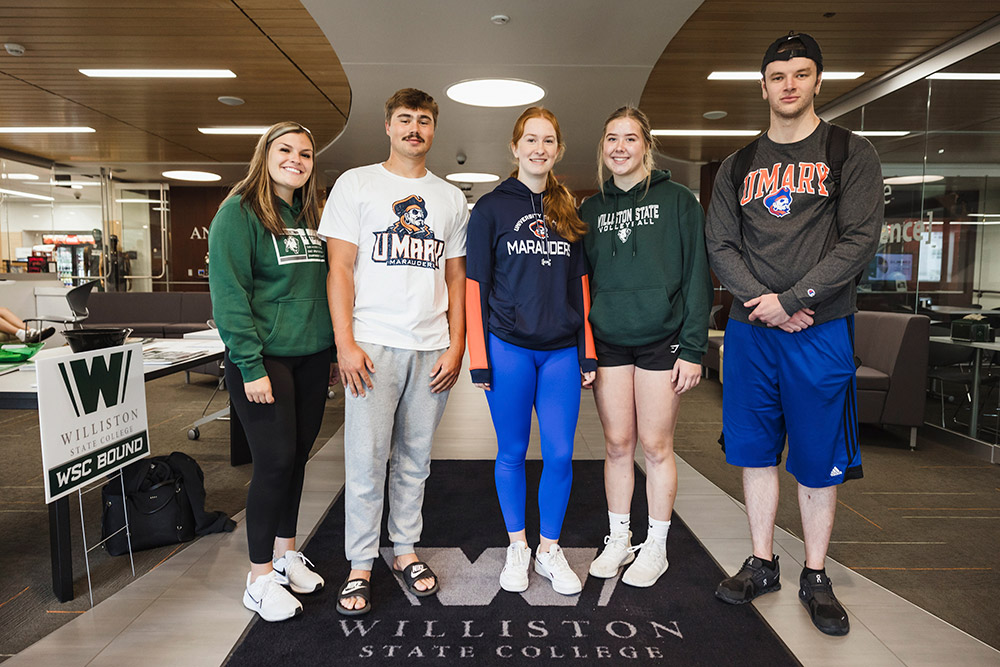
Toward this mission, the university recently launched a partnership with the Williston community allowing students to earn a bachelor’s degree for less than $5,000 — a mere sixth of the regular cost of a four-year education. Eligibility extends to residents of northwest North Dakota and eastern Montana.
The program offers four in-demand degrees: business administration, business management, elementary education and nursing. Classes take place at Williston State College, offering convenience to a wide geographical area but also options for students from the immediate vicinity, Shea points out.
“This gives residents of northwest North Dakota a way to stay here in the community and earn a bachelor’s degree — or higher-level qualification,” Shea says. Funding assistance for the program has come from a number of donors, including the City of Williston, Williams County, Sanford Health, CHI and the Roman Catholic Diocese of Bismarck, who helped close the $25,000 gap in costs with dedicated scholarships.
Nursing Is More Important Than Ever
Nursing has long been a flagship within the curricula, yet many open jobs for nurses remain unfilled — both in North Dakota and across the United States.
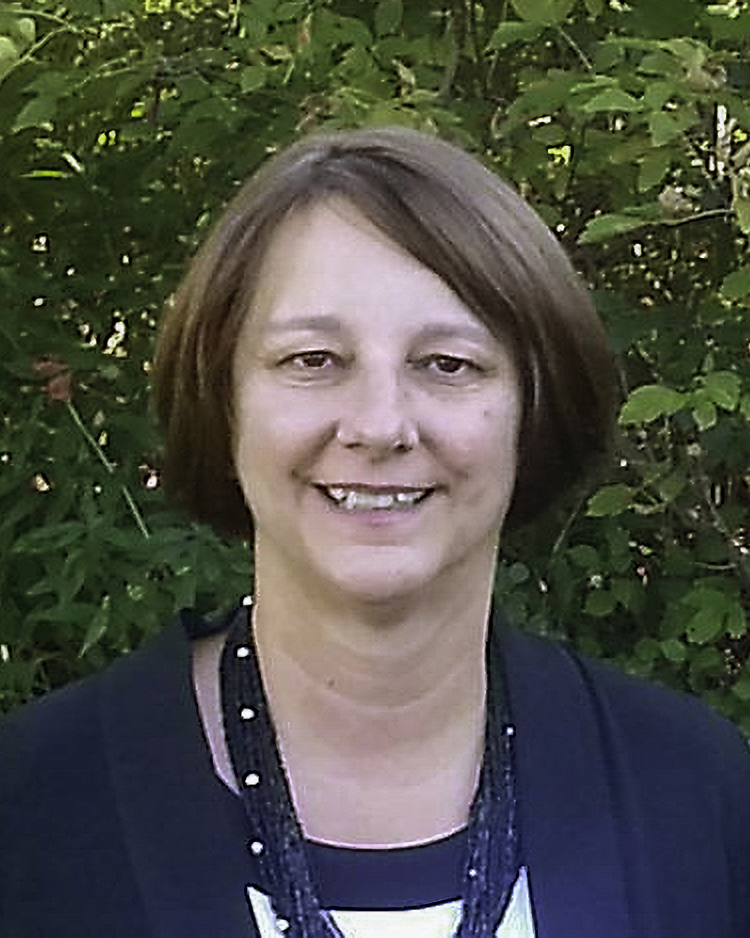
“The nurses who come through our program provide economic development by strengthening the local workforce to meet the growing demand — which at times, is at a crisis point in our health care facilities and other organizations where they are needed,” says Margie Hair, associate professor of nursing at the University of Mary.
Other successful programs include a path for students who have an associate’s degree in nursing (ADN) to receive their Bachelor of Science in Nursing (BSN) degree — another targeted community need.
“Nationally, statistics show ADN-to-BSN enrollment is down by nearly 30% post-COVID,” shares Hair.
BSN-prepared nurses comprise two-thirds of the national nursing workforce and make a minimum of $18,000 more annually than those with an associate’s degree, according to the American Association of Colleges of Nursing.
“BSN graduates also are equipped with leadership and critical thinking skills, as well as clinical expertise,” Hair explains. “They have been exposed to a variety of health care settings and typically meet or surpass standards related to patient outcomes.”
Nearly a third of employers require new nurses to have a BSN, and 71.7% prefer nursing candidates to have the bachelor’s qualification, she adds.
“Nationally, if you do the math, it costs an average student $11,000 to $17,000 to get their ADN to BSN,” Hair says. “So, you can see why our students are all very grateful to earn their BSN for under $5,000.”
A Tradition of Caring at University of Mary
Whichever degree students pursue, all are held to rigorous standards and provided with state-of-the-art instruction. They also benefit from the wisdom and reflective approach provided through the university’s historic Benedictine traditions.
“Our students tell us how our daily practice and infusion of the Benedictine values — from our daily courses and faculty instruction — have impacted them in their personal life and professional career as nurses,” shares Hair.
“You can’t be a good nurse if you can’t show care and compassion. The Benedictine values are modeled by everybody — it’s who we are. Patients are treated with dignity and respect from our nursing graduates.”
Hair also credits the surrounding community for putting faith in the university’s ability to enhance the education health care workers receive in the region.
“This program is such a gift to the community,” she says. “And likewise, this area has put so much into this effort that we need to continue to do our part.”
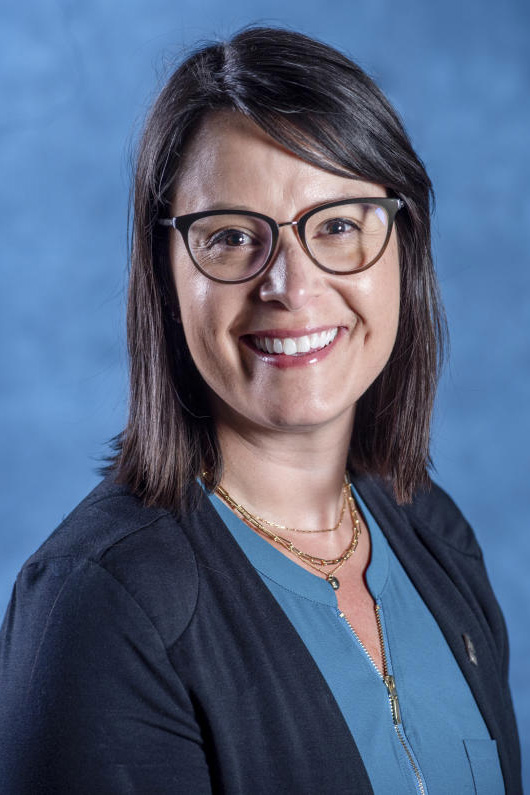
University of Mary Vice President for Public Affairs Rachael Brash says the school has been strategic in its aim to provide the right education to both help students and bolster the community.
“This is a very important workforce initiative, and one of the main reasons we are doing it is to have bachelor-degree-prepared nurses working in this community,” Brash says. “They want to better themselves and achieve their professional and personal goals. Those individuals go on to become nurse leaders, adding depth and knowledge that our health care systems wouldn’t have otherwise.”