

Focusing on Mental Health in Williamson County, TN

Find Hope Franklin is a mental health initiative launched by the City of Franklin to provide residents with easier access to emotional support and critical mental health resources.

Ken Moore
Mayor of Franklin, TN
Franklin Mayor Ken Moore, a former orthopedic surgeon, has championed the effort from the start, working with community leaders, health professionals and residents to break down barriers and reduce stigma surrounding mental health.
What was the genesis of Find Hope Franklin?
Franklin was selected by former Gov. Bill Haslam as a pilot city for the Healthier Tennessee program, and this initiative ultimately grew out of that process. To get that designation, we had to take several important steps. We formed a health care council, held community meetings and created a comprehensive wellness plan.
That plan initially focused on issues like obesity, tobacco cessation, physical activity and mental health. What we discovered early on was that while people were willing to talk openly about their weight, quitting smoking and exercising, very few were comfortable discussing mental health. That silence spoke volumes, so we brought in a facilitator to help us guide conversations and begin tackling the mental health component directly.
How did the focus on mental health take shape?
First and foremost, we knew we had to start normalizing conversations around mental health – just letting people know that it’s OK to not be OK, and it’s OK to talk about it. Second, we focused on suicide prevention. We recognized this as an urgent issue in our community.
Since launching, Find Hope Franklin has been dedicated to both raising awareness and improving access to care. Our website, findhopefranklin.com, is a centralized resource hub. It offers everything from phone numbers for immediate crisis support to counseling options, educational resources and ways for residents to get involved.
Are specific programs tied to the initiative?
Yes, one of our most impactful programs is QPR – Question, Persuade, Refer. It’s a suicide prevention training program that teaches participants how to identify the warning signs of someone in crisis and connect them with help.
It’s often said that QPR is to mental health what CPR is to physical health – a basic lifesaving tool. I like to say, if you know CPR, you should know QPR. Through a grant, we’ve been able to offer this training to residents at no cost. So far, we’ve trained around 500 people in Franklin, and we plan to expand those efforts.
What else is in the works for Find Hope Franklin?
One of our next goals is to establish a crisis stabilization unit. Currently, when someone is experiencing a behavioral health crisis, they may end up spending several days in a hospital emergency room, which is not designed to provide the type of care they need.
A crisis stabilization unit would offer a more suitable and compassionate environment. We’re also working to expand our focus on substance-use disorders, which are deeply interconnected with mental health. We held our first public mental health forum last year, and we’re planning a second forum to keep the momentum going and gather more community input.

Are there key partnerships that have been instrumental?
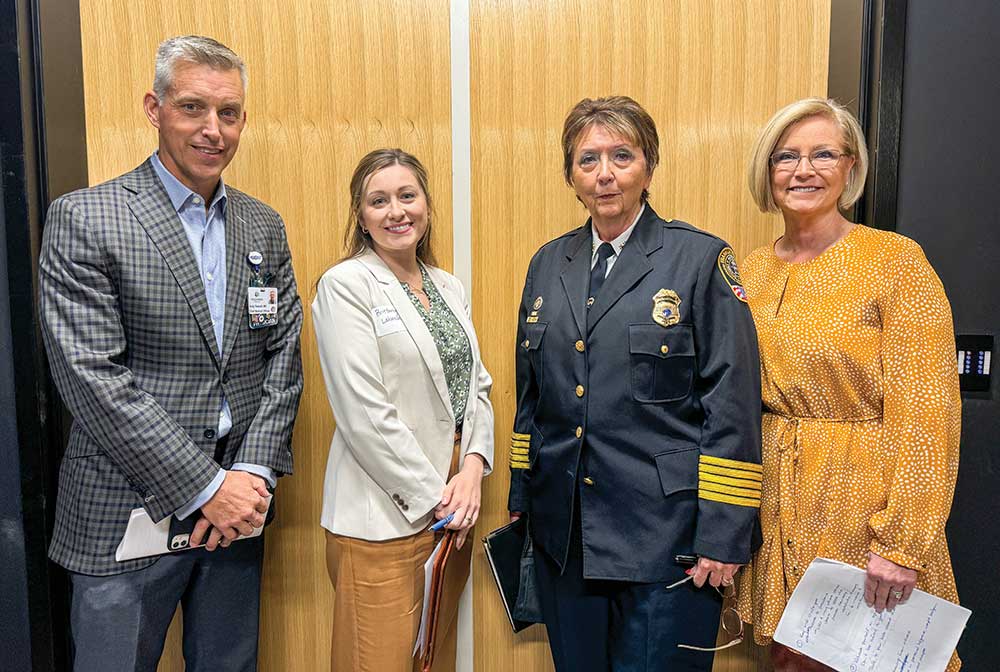
Absolutely. We’ve brought together a very committed and diverse group of partners, including licensed therapist Amy Alexander, CEO of the Refuge Center for Counseling, and Cindy Siler, CEO of Mercy Community Healthcare. Both organizations provide essential counseling services here in Franklin.
We’ve also engaged school counselors, members of the faith community and other mental health professionals. What surprised me most was how many people were eager to get involved. There was a vacuum – people working in mental health who wanted to collaborate and have a collective impact. It’s been incredibly encouraging.
What are some of the broader community successes you’ve seen?
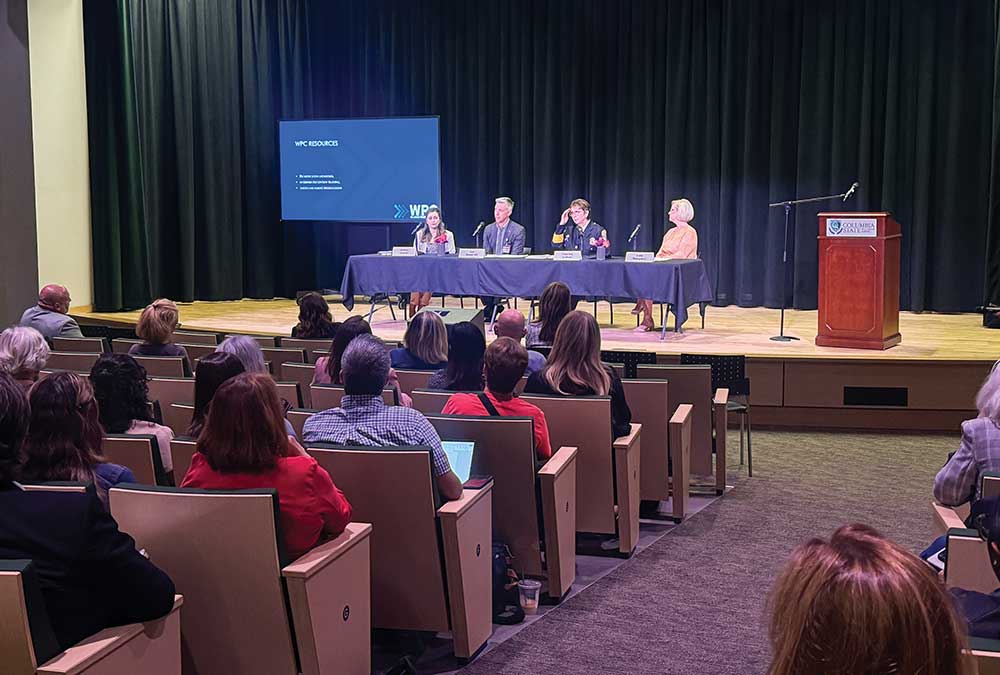
One of the biggest is increased awareness. Our police and fire departments have both created internal programs focused on mental wellness, recognizing the strain first responders are under. These professionals see trauma on a daily basis. We often assume they’re fine, but the reality is those experiences build up. Supporting them helps strengthen our entire community.
Why is this initiative important to you?
Throughout my medical career, I’ve personally seen how addiction and mental illness can destroy relationships, derail careers and cause lifelong pain.
That shaped my belief that we must treat mental health with the same urgency and care as physical health. When we support people in this way, it improves their lives, strengthens families and even boosts our local economy.
A healthy community is a thriving community, and that benefits everyone.
Therapy Dogs: Comfort and Connection in Williamson County Schools
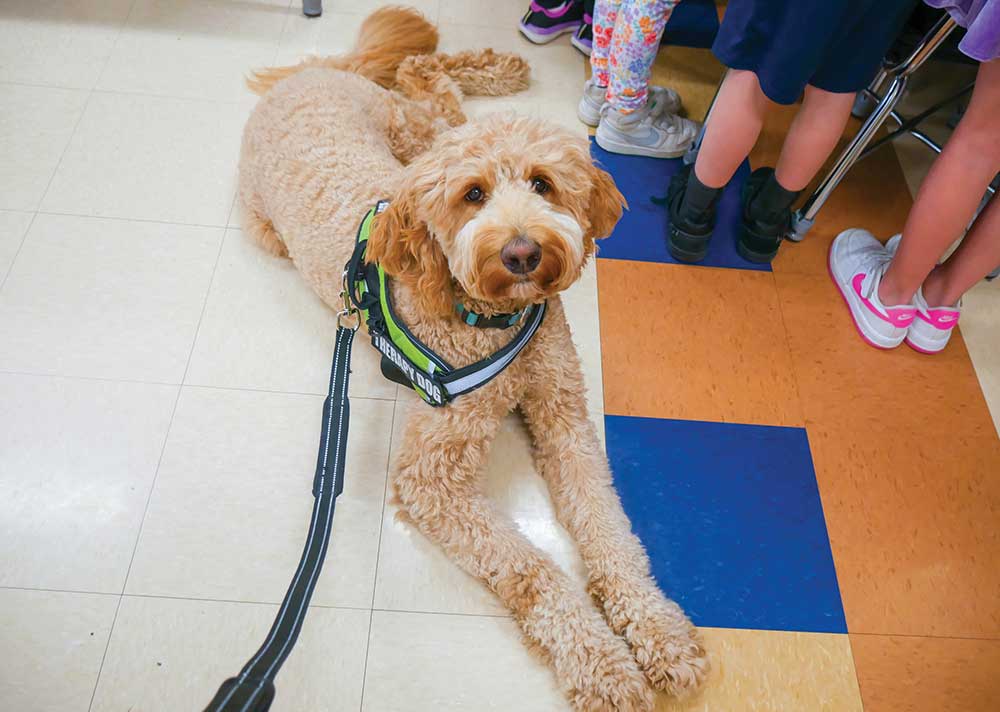
A growing number of schools in Williamson County are using a fun approach to support student well-being – therapy dogs. Ten schools across the district participate in the program.
Each dog is partnered with a trained school staff member – often a teacher, counselor, administrator or librarian – whose role shapes how the dog interacts with students. The employee’s role sometimes determines the role the dog plays in the building. Some schools allow students to schedule appointments; others plan classroom visits, and in many cases, dogs move flexibly throughout the building to engage with students wherever needed.
“Regardless of when and where the dogs are interacting with students, we see students have excellent experiences,” says Juli Oyer, assistant superintendent for elementary schools for Williamson County Schools. “Schools report the dogs providing comfort, helping to work through challenging emotions, developing empathy and truly bringing joy to the school buildings.”
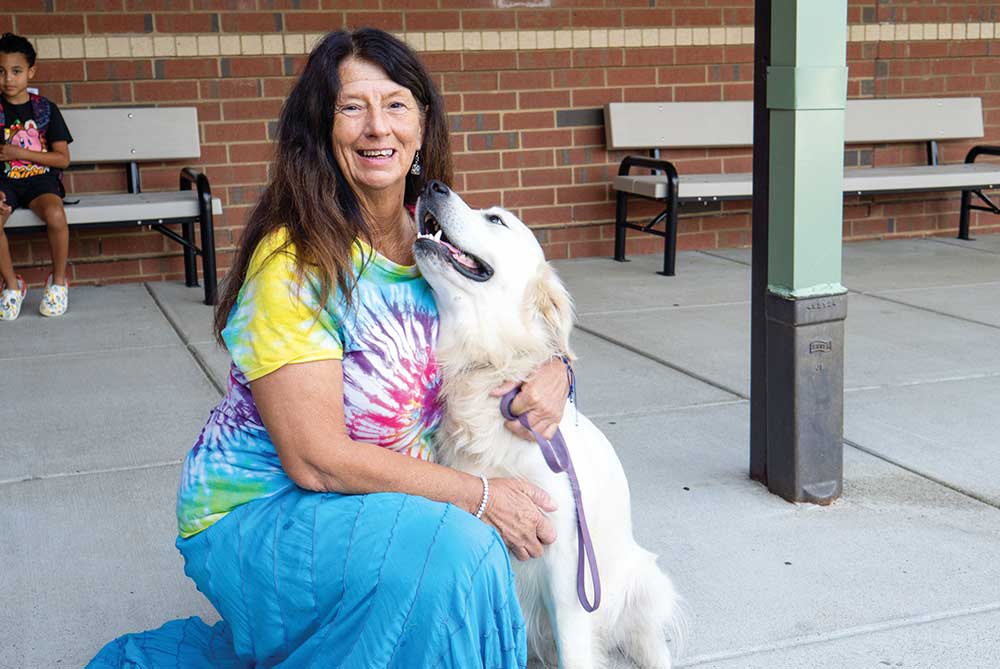
The dogs not only help reduce stress and anxiety but also support emotional regulation and build confidence, especially for students facing social-emotional challenges. They’ve even played a role during difficult times, offering comfort and healing after emotionally significant events.
“The success of the program is evidenced by the love our students and staff have for these special animals,” Oyer says. “The needs in schools can vary, and we have found that the dogs meet those needs regularly. From bringing joy and excitement to offering emotional regulation in challenging times, our pups do it all. We love all our pooches and are looking forward to seeing growth in the program across our schools.”
Get to Know Williamson County
Want to learn more about living and working in Williamson County, TN? Check out the latest edition of Livability Williamson County, Tennessee.