
Embracing the Future of Farming in Eastern Idaho
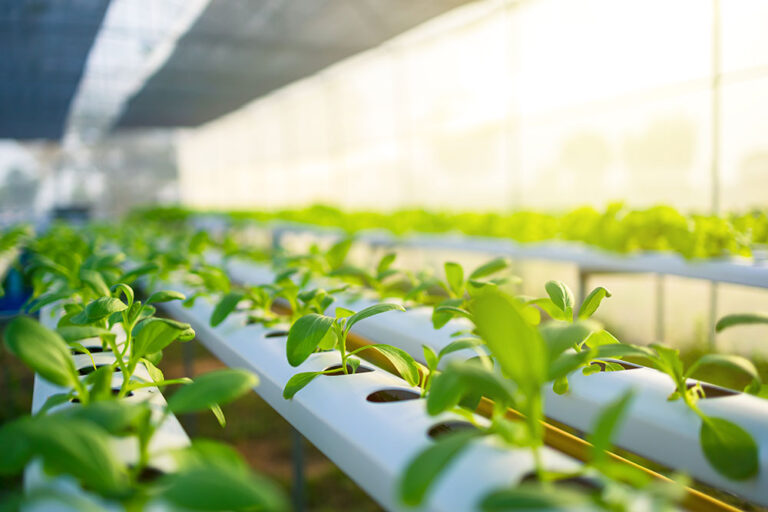
Farming is an age-old practice that could help with a contemporary problem. “Data centers are necessary for everything we do, from cell phones and computers to Netflix,” says Idaho Falls native Jay Jorgensen.
But these large buildings and storage systems need a significant amount of air conditioning to counter the huge amounts of heat they generate. “So, I said, ‘Why not use all that waste heat for vertical farming?’” says Jorgenson, founder and CEO of GeoBitmine.
His company is partnering with Greener Crop, which operates 13 hydroponic farms in six countries in some of Earth’s harshest climates.
“Together, we’re pioneering a greenhouse project in rural Eastern Idaho that harnesses waste heat to create optimal growing conditions, particularly during winter months,” says Alexander Kappes, Greener Crop CEO. “By utilizing this waste, we eliminate the need for traditional gas-powered heating systems, significantly reducing operational costs.”
The first-of-its-kind farm is a natural fit for Eastern Idaho, which offers access to skilled agricultural professionals, favorable climate conditions and an abundance of data centers.
In addition to growing pesticide-free, nutrient-rich and flavorful produce, Jorgenson says his farm is set to transform the future of sustainable agriculture in an industry that’s quickly evolving.
“The average farmer is 64 years old. Conventional farming practices are dying,” Jorgenson says. “Hydroponics are the future.”
More Opportunities for Farming in Eastern Idaho
Marijuana and industrial hemp are cousins. The first has well-known intoxicating qualities while the second provides Idaho farmers new ways to make money. In 2021, the state legalized industrial hemp, but it’s not new to the U.S. agricultural industry.
“In the early 1900s, hemp was the third-largest crop produced in the Midwest, grown to make rope, sails, clothing and paper,” says Jamie Campbell Petty, VP of industry and government relations at Whitefield Global Holdings.
Her company is deeply involved in working with farmers and others to help hemp succeed in Idaho.
“We’re also on the leading edge of supply chain development,” she says. “The state has been very welcoming of hemp businesses, and universities are ready to partner with growers for research and development.”
Current and future uses of hemp include building insulation, animal bedding and feed. It could also be used for packaging, disposable molded products, and the next generation of super-absorbents and high-end textile fibers. In addition to new sources of income and another crop to rotate, Campbell Petty says Idaho farmers will benefit in other ways. Hemp requires very little irrigation and loves sunshine, another abundant Idaho resource.
“Hemp is grown without herbicides or pesticides, and it has a deep root system,” Campbell Petty says. “Its canopy can be a natural weed suppressor, and it captures carbon and contaminants in the soil as it grows.”
Get to Know Eastern Idaho
Want to learn more about living and working in Idaho Falls and Eastern Idaho? Check out the latest edition of Livability Eastern Idaho.